Business Unit Economics and Customer Retention
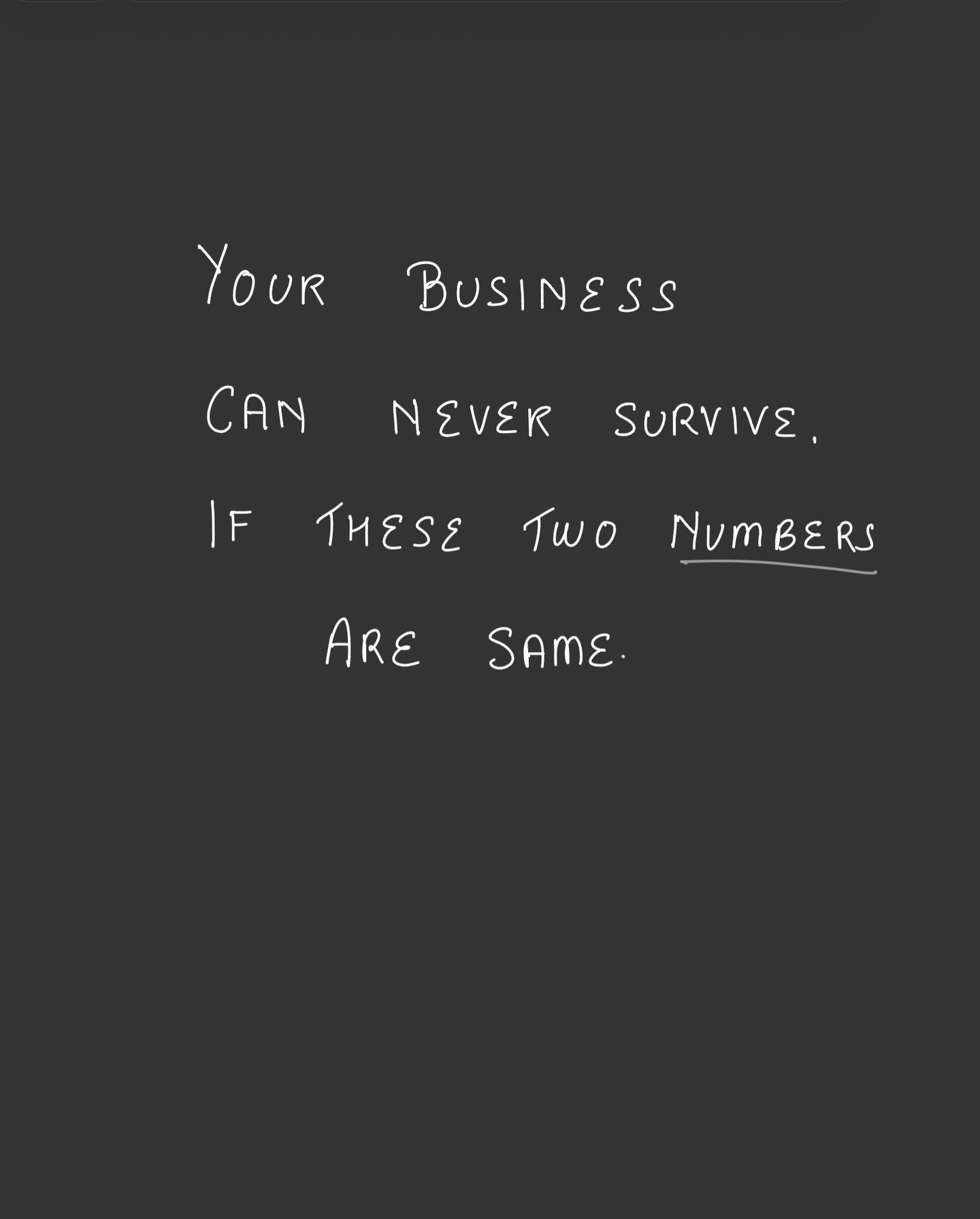
The success of a business unit heavily depends on understanding and managing unit economics, particularly the relationship between customer acquisition cost (CAC) and gross margin. This relationship is critical for sustaining a business, as highlighted in the discussion on business unit economics.
Why This Matters
Businesses often focus on acquiring new customers, but the true measure of success lies in the profitability of each customer acquired. This is where unit economics come into play. Unit economics assess the direct revenues and costs associated with a particular business model, product, or service. Understanding these fundamentals can mean the difference between a thriving enterprise and one that struggles to stay afloat.
The Basics of Unit Economics
Understanding Gross Margin
Gross margin is the difference between the revenue generated from selling a product and the cost of goods sold (COGS). Let’s break down an example:
- Product price: $40
- COGS: $22
- Shipping: $5
- Payment gateway fee: $1
From this, the gross margin can be calculated as:
Gross Margin = Product Price - (COGS + Shipping + Payment Gateway Fee)
In this example:
Gross Margin = $40 - ($22 + $5 + $1) = $12
A gross margin of $12 means that for every product sold, the business retains $12 after accounting for direct costs.
Customer Acquisition Cost (CAC)
Customer acquisition cost (CAC) is the total cost of sales and marketing efforts divided by the number of customers acquired. It's a crucial metric because it directly impacts the bottom line.
If the CAC is close to or exceeds the gross margin, the business is at risk of losing money on each customer acquired. For instance, if the CAC is $12, and the gross margin is also $12, the business is essentially breaking even on each customer, which is unsustainable in the long run.
The Importance of Retention
While acquiring new customers is vital, retaining existing ones is equally, if not more, important. Effective retention strategies can significantly improve the lifetime value (LTV) of customers, making the business more profitable.
Building a Full Retention Engine
A retention engine encompasses various strategies and tactics aimed at keeping customers engaged and loyal. This includes:
-
RFM Analysis (Recency, Frequency, Monetary): This framework helps identify the most valuable customers by analyzing their purchasing behavior. Recency refers to how recently a customer made a purchase, frequency to how often they buy, and monetary to how much they spend.
-
Channel Grid Scorecard: This tool helps businesses understand which marketing channels are most effective at retaining customers. By evaluating the performance of each channel, businesses can allocate resources more efficiently.
-
Win-Back Framework: This involves strategies to re-engage customers who have become inactive. It includes personalized offers, re-engagement campaigns, and feedback loops to understand why customers stopped engaging.
-
23 Triggers for 12 Months: This approach identifies 23 key triggers or touchpoints throughout the year that can be used to engage customers and keep them active. These triggers can include birthdays, anniversaries, seasonal events, and more.
-
Retention Scorecard: This helps track the effectiveness of retention efforts by providing key metrics and KPIs. It provides a clear overview of customer retention performance and areas for improvement.
Practical Tips for Improving Unit Economics
Focus on Customer Lifetime Value (LTV)
Customer Lifetime Value (LTV) is the total revenue a business can reasonably expect from a single customer account throughout the business relationship. Improving LTV can help offset high CAC and ensure long-term profitability. Strategies to improve LTV include:
- Personalized Marketing: Tailor marketing efforts to individual customer preferences and behaviors.
- Loyalty Programs: Implement programs that reward repeat purchases and encourage long-term engagement.
- Customer Support: Provide excellent customer support to address issues quickly and keep customers satisfied.
Optimize Pricing Strategies
Pricing is a critical component of unit economics. Optimizing pricing can help increase gross margins and make the business more resilient to high CAC. Consider the following strategies:
- Value-Based Pricing: Set prices based on the perceived value of the product or service.
- Cost-Plus Pricing: Add a fixed markup to the cost of production to ensure profitability.
- Competitive Pricing: Adjust prices based on what competitors are charging, ensuring you remain competitive while maintaining profit margins.
Effective Retention Tactics
Implementing a retention engine is essential for long-term success. Here are some practical retention tactics:
- Email Marketing: Send personalized emails to keep customers engaged and informed about new products, promotions, and company updates.
- Social Media Engagement: Use social media platforms to connect with customers, share valuable content, and respond to customer inquiries.
- Customer Feedback: Regularly collect and analyze customer feedback to identify areas for improvement and make necessary adjustments.
Important Takeaways
- Gross Margin and CAC: A business cannot survive if its CAC is close to its gross margin. This means that any creative or targeting efforts will not be enough to fix poor unit economics. The numbers must support paid acquisition.
- Retention is Key: Ads are ineffective without a solid retention system. Building a full retention engine is crucial for long-term success. This includes strategies like RFM analysis, the channel grid scorecard, the win-back framework, 23 triggers for 12 months, and the retention scorecard.
- Lifetime Value: Improving customer lifetime value (LTV) can help offset high CAC and ensure long-term profitability. Focus on personalized marketing, loyalty programs, and excellent customer support.
- Optimize Pricing: Pricing strategies play a significant role in unit economics. Consider value-based pricing, cost-plus pricing, and competitive pricing to ensure profitability.
Conclusion
Understanding and managing unit economics is essential for the sustainability and growth of any business. By focusing on gross margin, CAC, and effective retention strategies, businesses can improve their profitability and build a solid foundation for long-term success. Implementing these strategies and continuously monitoring key metrics can help businesses thrive in a competitive market.
Watch the Reel
Questions readers ask
What exactly is unit economics in the context of business?
Unit economics in business refers to the direct revenues and costs associated with a specific product, service, or business model. It helps in understanding the profitability of individual units, making it crucial for strategic decision-making.
Why is understanding unit economics important for business survival?
Understanding unit economics is vital for business survival as it provides a clear view of the profitability of each customer. By evaluating costs such as customer acquisition cost and comparing them to the gross margin per customer, businesses can ensure sustainable growth and avoid financial pitfalls.
What is the significance of customer acquisition cost (CAC) in unit economics?
Customer acquisition cost (CAC) is a key metric in unit economics as it represents the total cost of sales and marketing efforts to acquire a new customer. By comparing CAC to the gross margin per customer, businesses can determine whether their customer acquisition efforts are profitable and sustainable.
How can a unit economics calculator help in improving business profitability?
A unit economics calculator helps in assessing the profitability of each customer by evaluating direct revenues and costs. By inputting relevant data such as CAC and gross margin, businesses can gain insights into their financial performance and identify areas for improvement to enhance overall profitability.
What are some common unit economics examples that businesses should consider?
Common unit economics examples include comparing the revenue generated by a product to the cost of producing and marketing it. For instance, calculating the gross margin per customer and comparing it to the CAC to ensure that the business is making a profit from each customer acquired. Additionally, analyzing the cost of customer retention and the lifetime value of a customer can provide a comprehensive view of business profitability.
What role does customer retention play in unit economics?
Customer retention is critical in unit economics as it directly impacts the lifetime value of a customer. By retaining customers, businesses can reduce the need for continuous high acquisition costs and benefit from repeat revenues, thereby improving overall profitability. Effective customer retention strategies can significantly enhance the long-term financial health of a business.
What are some practical business survival strategies that focus on unit economics?
Practical business survival strategies focusing on unit economics include optimizing customer acquisition costs, improving gross margins, and implementing effective customer retention programs. By thoroughly analyzing unit economics, businesses can make informed decisions to enhance profitability and ensure long-term sustainability. Regularly reviewing and adjusting strategies based on unit economic analysis can help businesses navigate challenges and thrive in competitive markets.
Recent articles
Fresh deep dives from the latest Reels we unpacked.




Comments
Be the first to comment.