Chicken Comb Color Meanings: Understanding Your Chicken's Health
The color of a chicken's comb is a crucial indicator of its overall health. Chickens use their combs as a thermoregulatory organ, and variations in color can signal specific health conditions. Understanding these variations can help chicken keepers promptly identify and address potential issues.
Why this matters
Chickens rely on their combs to regulate body temperature. The comb, along with wattles and earlobes, helps dissipate excess heat. Color changes in these areas can indicate underlying health issues. Recognizing these changes can help you take timely action, ensuring your chickens stay healthy and productive.
Main discussion
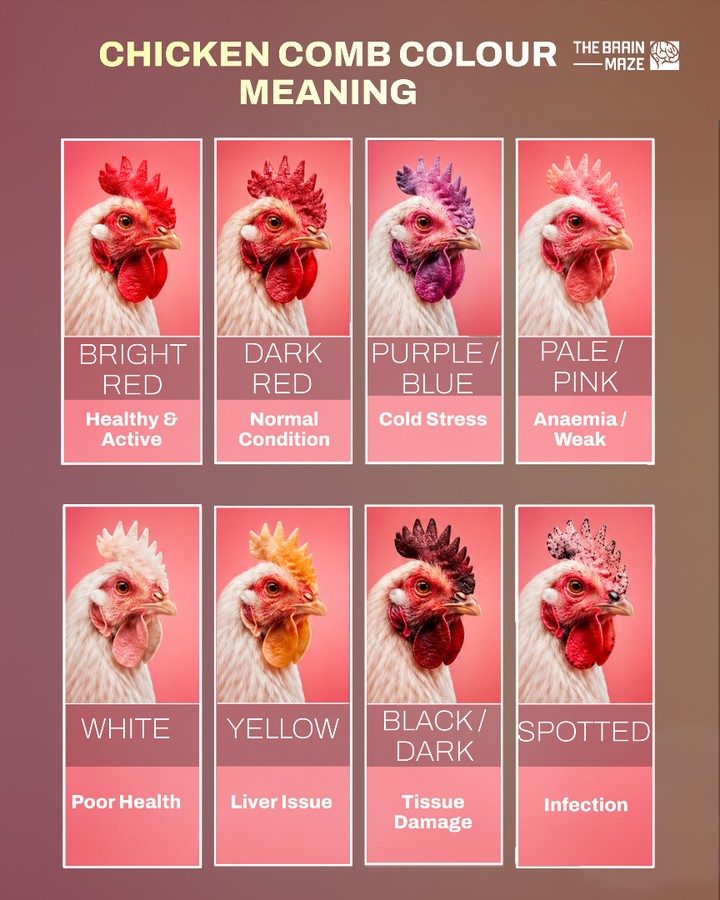
Bright Red Combs
A bright red comb is generally a good sign. It indicates that the chicken is healthy, active, and has good circulation. Bright red combs are typical in young, healthy birds and point towards robust health.
Dark Red Combs
As chickens mature, their combs often darken. A dark red comb in an adult chicken is usually a normal condition and not a cause for concern. It simply indicates that the chicken is older and has developed a stronger, more robust comb.
Purple or Blue Combs
If a chicken's comb appears purple or blue, it may signal poor oxygen flow or cold stress. Purple or blue combs are often seen in chickens that are not acclimated to cold temperatures or are experiencing respiratory issues. This color change can indicate that the chicken is struggling to maintain its body temperature or is having difficulty with oxygenation. It's essential to monitor these chickens closely and keep them warm and comfortable.
Pale or Pink Combs
Pale or pink combs can signify anemia or weakness. Anemia in chickens can result from various factors, including nutritional deficiencies, parasitic infections, or internal bleeding. If a chicken's comb appears pale or pink, it's crucial to investigate the underlying cause and address it promptly.
White Combs
A white comb suggests poor health. White combs are often seen in chickens suffering from severe health issues, such as leukemia or other serious illnesses. If a chicken's comb turns white, it's essential to consult with a veterinarian immediately to determine the cause and appropriate treatment.
Yellow Combs
Yellow combs may indicate a liver issue. Liver problems in chickens can result from various factors, such as poor nutrition, toxins, or infections. If a chicken's comb turns yellow, it's crucial to address the underlying cause and provide appropriate care.
Black or Dark Combs
Black or dark combs could be due to tissue damage. Tissue damage in chickens can result from various injuries, infections, or other health issues. If a chicken's comb appears black or dark, it's essential to examine the bird carefully and take appropriate action to promote healing and recovery.
Spotted Combs
Spotted combs might indicate an infection. Infections in chickens can result from various factors, such as bacterial, viral, or fungal pathogens. If a chicken's comb appears spotted, it's crucial to identify the underlying cause and provide appropriate treatment to prevent the spread of infection.
Practical tips
Regularly Monitor Your Chickens
Regularly monitor your chickens' combs to detect any color changes promptly. Early detection of health issues can help prevent more severe problems and ensure your chickens stay healthy and productive.
Maintain Optimal Living Conditions
Ensure your chickens have access to clean water, a balanced diet, and appropriate living conditions. Maintaining optimal living conditions can help prevent many health issues and promote overall well-being.
Consult with a Veterinarian
If you notice any unusual comb colors or other signs of illness in your chickens, consult a veterinarian as soon as possible. Early intervention can often prevent more severe problems and improve the chances of a successful recovery.
Keep Accurate Records
Maintain accurate records of your chickens' health, including any changes in comb color. Keeping detailed records can help you track patterns and identify potential health issues early.
Important takeaways
- Bright red combs indicate a healthy, active chicken with good circulation.
- Dark red combs are often normal in mature chickens.
- Purple or blue combs may signal poor oxygen flow or cold stress.
- Pale or pink combs could signify anemia or weakness.
- White combs suggest poor health and may indicate serious illnesses.
- Yellow combs may indicate liver issues.
- Black or dark combs could be due to tissue damage.
- Spotted combs might indicate an infection.
- Regular monitoring and prompt intervention can help maintain your chickens' health.
Conclusion
Understanding the meaning behind chicken comb colors is essential for any chicken keeper. By recognizing the signs of potential health issues, you can take timely action to ensure your chickens stay healthy and productive. Regular monitoring, maintaining optimal living conditions, and consulting with a veterinarian when necessary are key to keeping your chickens in good health.
Watch the Reel
Questions readers ask
What does a bright red comb indicate in chickens?
A bright red comb typically signifies that a chicken is in good health. This vibrant color shows that the chicken's body is functioning well and is effectively regulating its temperature. If you notice this color, it means your chicken is likely thriving in its environment.
What causes a blue or purple comb in chickens?
A blue or purple comb can indicate respiratory issues or poor circulation. This color change often suggests that the chicken is not getting enough oxygen, which could be due to infections or other breathing problems. Consulting a vet promptly can help address these underlying issues.
Why does a pale comb in chickens raise concern?
A pale or whitish comb can signal anemia or other blood-related issues such as parasites or nutritional deficiencies. Chickens with pale combs might be deficient in certain nutrients or have internal health problems that need addressing promptly.
What does a dark or muddy comb color mean?
A dark or muddy comb color often points to cold stress. Chickens experiencing extreme cold may have a comb that becomes darker as their body attempts to conserve heat. Ensuring the chicken has a warm and dry shelter can help mitigate this issue.
How should I monitor my chickens' health through their combs?
Regularly check your chickens' combs for any changes in color. Note any deviations from the normal bright red hue, such as paleness, darkness, or blueish tints. Document these changes and observe their behavior, feeding habits, and environment to identify potential stressors or health issues.
Can a chicken’s comb color change due to environmental factors?
Yes, a chicken's comb color can change due to environmental factors such as temperature fluctuations. For instance, cold weather can cause the comb to turn darker, while hot weather might result in a paler color as the body tries to manage heat more effectively. Be mindful of these changes to ensure your chickens are comfortable in their living conditions.
What steps should I take if I notice unusual comb color changes?
If you detect unusual comb color changes, start by assessing the chicken's environment to rule out external stressors. Check for signs of illness, such as lethargy, decreased appetite, or abnormal droppings. If issues persist, consult a poultry veterinarian for a proper diagnosis and treatment plan.
Recent articles
Fresh deep dives from the latest Reels we unpacked.




Comments
Be the first to comment.