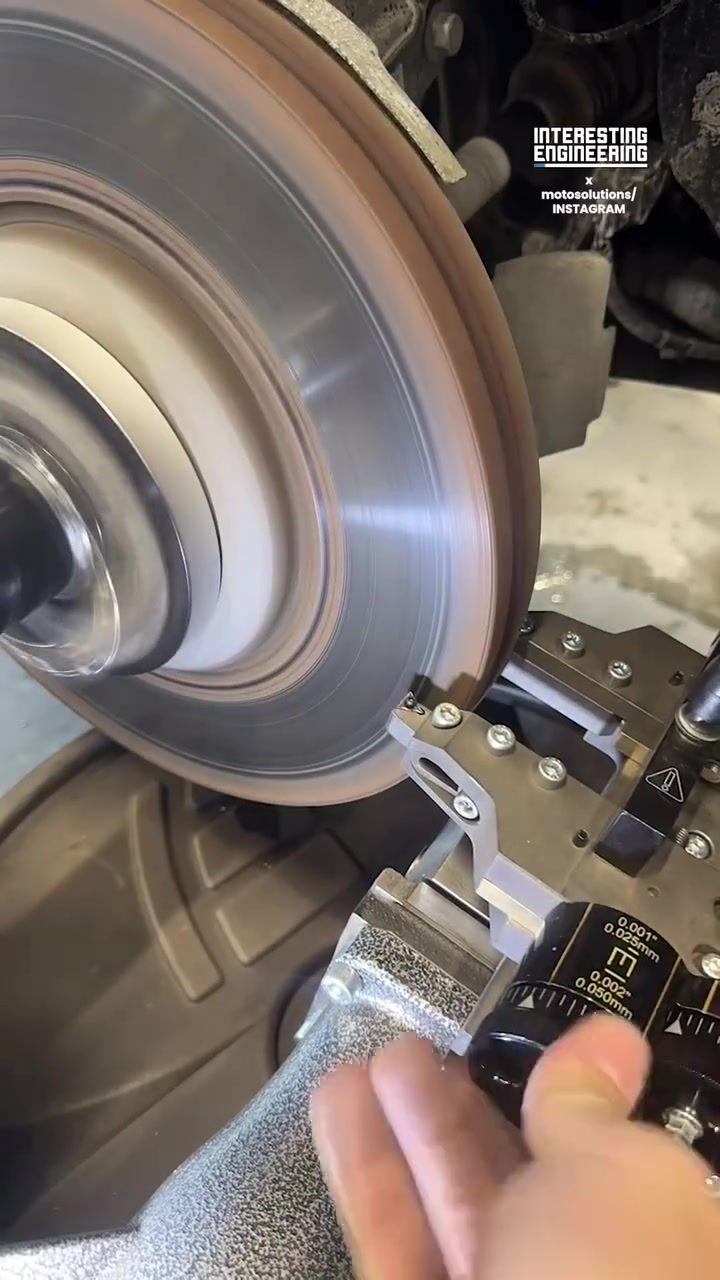
Brake Rotor Resurfacing: The Key to Maintaining Your Car's Performance
Brake rotor resurfacing is a crucial process in maintaining and enhancing a vehicle's braking system. This method involves using a brake lathe to precision cut the spinning disc, removing grooves, warping, and uneven wear. The result is a smooth, flat surface that improves braking performance, ensures better pad contact, and reduces pedal vibration. By understanding this process, car owners can appreciate the importance of regular brake maintenance and the impact it has on overall car health.
Why Brake Rotor Resurfacing Matters
Regular brake maintenance is essential for safety and performance. Brake rotors, which are the discs that brake pads clamp down on to stop the vehicle, can wear down over time. This wear can lead to uneven surfaces, grooves, and warping, all of which affect braking efficiency. Resurfacing the rotors restores their smooth surface, ensuring that brake pads make consistent contact. This consistency is vital for effective braking and reducing the risk of accidents.
Maintaining Brake Performance
Understanding Brake Rotors
Brake rotors are critical components in every vehicle's braking system. They are the discs that the brake pads clamp down on to create friction, which slows or stops the vehicle. Over time, these rotors can develop uneven wear, grooves, and warping due to constant friction and heat. These issues compromise the brakes' ability to function correctly.
The Resurfacing Process
The resurfacing process involves using a brake lathe, a specialized machine designed to precision cut the rotor surface. The machine spins the rotor while a cutting tool removes thin layers of metal, restoring a smooth and flat surface. This process addresses the issues of grooves, warping, and uneven wear, ensuring that the rotor provides optimal braking performance.
Key Steps in Resurfacing:
- Mounting the Rotor: The rotor is securely mounted on the lathe spindle.
- Initial Measurement: Using a precision measuring instrument, the technician measures the rotor's thickness and surface.
- Cutting: The machine spins the rotor while a cutting tool shaves off thin layers of metal, removing imperfections.
- Final Measurement: After cutting, the rotor is remeasured to ensure it meets the specified tolerances.
- Finishing Touches: The rotor is polished to achieve a smooth, flat surface ready for reinstallation.
Benefits of Resurfacing
Resurfacing brake rotors offers several benefits that contribute to a car's overall performance and safety:
- Improved Braking Performance: A smooth, flat surface ensures that brake pads make consistent contact, resulting in more efficient and predictable braking.
- Reduced Vibration: Warping and uneven wear can cause pedal vibration, which can be discomforting and indicative of more significant issues. Resurfacing addresses these problems, providing a smoother braking experience.
- Extended Rotor Life: By addressing wear and tear, resurfacing extends the life of the brake rotors, reducing the need for frequent replacements.
- Cost-Effective: Resurfacing is generally less expensive than replacing the rotors entirely, making it a cost-effective maintenance option.
Practical Tips for Brake Rotor Maintenance
Regular Inspections
Regularly inspect your brake rotors as part of your vehicle's routine maintenance. Look for signs of wear, such as grooves, warping, and uneven surfaces. If you notice any of these, consider resurfacing or replacing the rotors.
Professional Resurfacing
While it may be tempting to DIY, brake rotor resurfacing requires specialized tools and expertise. Trust this job to a professional mechanic with the right equipment and experience.
Listen to Your Car
Pay attention to any unusual noises or sensations while braking. Vibrations, grinding, or squealing can all indicate issues with your brake rotors. If you experience any of these, have your brakes checked by a professional.
Replace When Necessary
Even with regular resurfacing, brake rotors will eventually need replacement. Ensure you replace them when they reach the manufacturer's recommended thickness or show significant wear.
The Role of Brake Pads
The condition of your brake pads also affects your rotors. If your brake pads are worn out or glazed, they can cause excessive wear on the rotors. Regularly inspect and replace your brake pads as needed to maintain the health of your rotors.
Avoiding Common Mistakes
When it comes to brake maintenance, avoiding common mistakes can save you time and money. For example, over-tightening brake calipers can cause warping, while using the wrong type of brake fluid can damage the braking system. Always follow the manufacturer's guidelines for maintenance and repairs.
Important Takeaways
Brake rotor resurfacing is a vital part of maintaining a car's braking system. Regular resurfacing ensures that the rotors provide optimal braking performance, reduces the risk of accidents, and extends the life of the rotors. By understanding the resurfacing process and the benefits it offers, car owners can appreciate the importance of regular brake maintenance.
Conclusion
Brake rotor resurfacing is more than just a maintenance task; it's a critical process that ensures your car's braking system operates efficiently and safely. By addressing issues such as grooves, warping, and uneven wear, resurfacing restores the rotor's smooth surface, improving braking performance and reducing the risk of accidents. Regular inspections, professional resurfacing, and timely replacements are key to maintaining your car's overall health. Whether you're a seasoned car enthusiast or a casual driver, understanding the importance of brake rotor resurfacing will help you keep your vehicle in top condition.
Watch the Reel
Questions readers ask
What exactly happens during the brake rotor resurfacing process?
During brake rotor resurfacing, a brake lathe is used to carefully cut the rotor surface, removing any imperfections, grooves, or uneven wear. The goal is to create an even, smooth surface that ensures optimal contact with the brake pads, enhancing overall braking efficiency.
How does brake rotor resurfacing improve car safety?
By creating a smooth, flat surface on the brake rotors, resurfacing helps to reduce pedal vibration and ensures better contact between the brake pads and rotors. This leads to improved braking performance, which is crucial for safe driving and helps to minimize the risk of accidents.
Can brake rotor resurfacing be part of regular brake maintenance?
Yes, brake rotor resurfacing should be part of routine brake maintenance. Regular inspections can determine if the rotors need resurfacing, which typically involves replacing brake pads and rotors. If the rotors are in good condition, except for surface issues, resurfacing can extend their lifespan and save you money.
What are the signs that my brake rotors need resurfacing?
Some common signs that your brake rotors may need resurfacing include pulsating or vibrating brake pedals, reduced braking performance, and grinding or squeaking noises when braking. If you notice any of these issues, it's important to have your brake system inspected by a professional.
Is it necessary to replace brake pads when resurfacing rotors?
It is often recommended to replace brake pads when resurfacing rotors. New pads ensure optimal contact with the newly resurfaced rotor surface, maintaining the best possible braking efficiency. However, if the pads are in good condition, they might not need immediate replacement.
How often should brake rotors be resurfaced?
The frequency of brake rotor resurfacing depends on driving habits and conditions. Generally, it is recommended to resurface brake rotors every 15,000 to 70,000 miles, or as advised by a professional during routine brake inspections. Regular maintenance ensures the longevity and safety of your braking system.
Can I resurface brake rotors myself, or should I go to a professional?
While it is possible to resurface brake rotors yourself if you have the right equipment and knowledge, it is generally recommended to go to a professional. A professional has the expertise and tools, such as a brake lathe, to ensure a precise, smooth rotor surface, which is crucial for optimal braking performance and safety.
Recent articles
Fresh deep dives from the latest Reels we unpacked.




Comments
Be the first to comment.