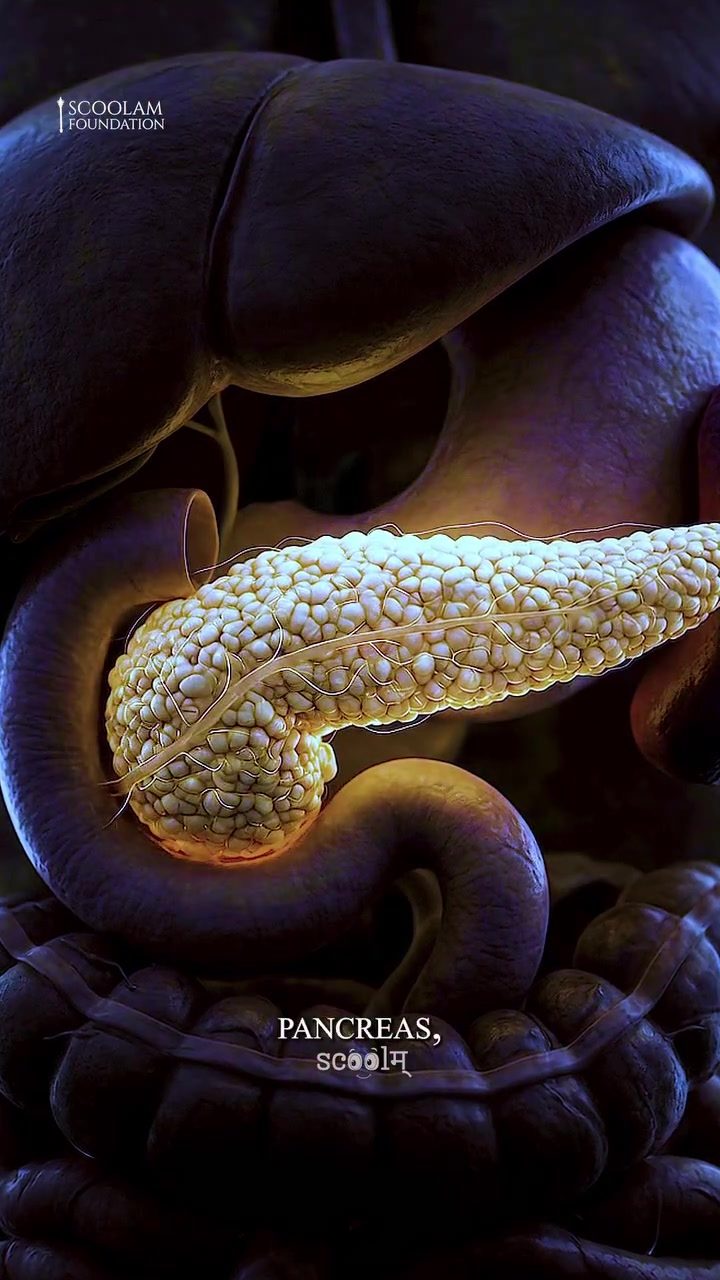
The Pancreas: A Vital Organ in Digestion and Blood Sugar Regulation
The pancreas, nestled deep behind the stomach, is a multifunctional organ that plays a critical role in both digestion and blood sugar regulation. Its dual functionality makes it one of the most important organs in the human body. Understanding its structure and roles can provide deeper insight into how the body manages essential processes like digestion and metabolic health.
Context:
Why This Matters
The pancreas is essential for maintaining overall bodily health. It is involved in breaking down food and regulating blood sugar levels, which are crucial for providing energy to every cell in the body. Any disruption in its functioning can lead to serious health issues, including diabetes and digestive problems. Therefore, comprehending the pancreas's anatomy and functions is valuable for appreciating its role in maintaining optimal health.
Main Discussion
Anatomy and Location
Located behind the stomach and extending across the upper abdomen, the pancreas connects to the small intestine. Its strategic position allows it to efficiently perform its dual roles. The pancreas is composed mainly of acinar cells, which are responsible for producing powerful digestive enzymes. These enzymes travel through the pancreatic ducts into the small intestine, where they help break down fats, proteins, and carbohydrates.
The Role of Acinar Cells
Acinar cells are the workhorses of the pancreas. They synthesize and secrete digestive enzymes, including trypsin, chymotrypsin, and lipase, which are essential for the digestion of food in the small intestine. These enzymes break down complex molecules into simpler forms that the body can absorb and utilize. Without these enzymes, the body would struggle to extract nutrients from food, leading to malnutrition and other health complications.
The Islets of Langerhans
Scattered throughout the pancreas are tiny clusters of cells known as the islets of Langerhans. These specialized cells release hormones insulin and glucagon directly into the bloodstream. Insulin helps regulate blood glucose levels by facilitating the absorption of glucose into cells, while glucagon stimulates the liver to release stored glucose, thereby maintaining balanced blood sugar levels.
The balance between insulin and glucagon is crucial for maintaining normal blood sugar levels. When glucose levels rise after a meal, the pancreas releases insulin to drive glucose into cells for energy or storage. Conversely, when glucose levels drop, glucagon is released to stimulate the liver to release stored glucose, ensuring a steady supply of energy to the body.
The Pancreas as a Metabolic Regulator
The pancreas isn't just a digestive organ; it is also one of the body's master regulators of metabolism. By controlling blood glucose levels, the pancreas ensures that the body has a consistent supply of energy. This metabolic regulation is vital for various bodily functions, including brain activity, muscle function, and overall energy levels.
Practical Tips
Maintaining Pancreatic Health
To support the health of the pancreas, it's essential to adopt a balanced diet and lifestyle. Here are some practical tips:
-
Balanced Diet: Consume a diet rich in fruits, vegetables, lean proteins, and whole grains. Limit the intake of sugary and processed foods, which can strain the pancreas and affect blood sugar levels.
-
Regular Exercise: Engage in regular physical activity to help maintain healthy blood sugar levels and support overall pancreatic function. Aim for at least 30 minutes of moderate exercise most days of the week.
-
Stay Hydrated: Drink plenty of water to support digestion and overall bodily functions. Adequate hydration helps in maintaining the health of the pancreas and other digestive organs.
-
Limit Alcohol and Avoid Smoking: Excessive alcohol consumption and smoking can damage the pancreas and impair its ability to function properly. Limiting alcohol and avoiding smoking can help protect the pancreas.
-
Regular Check-Ups: Regular medical check-ups can help detect any potential issues with the pancreas early. Early intervention can prevent complications and ensure the pancreas remains healthy.
Important Takeaways
- The pancreas is a vital organ that plays a dual role in digestion and blood sugar regulation.
- It is composed mainly of acinar cells, which produce digestive enzymes, and the islets of Langerhans, which release insulin and glucagon.
- The pancreas helps break down food and regulate blood glucose levels, providing energy to every cell in the body.
- Maintaining a balanced diet, regular exercise, and avoiding harmful habits can support pancreatic health.
Conclusion
The pancreas is an essential organ that plays a critical role in digestion and blood sugar regulation. Understanding its structure and functions can provide valuable insights into how the body manages essential processes. By adopting a healthy lifestyle and being mindful of pancreatic health, individuals can support the optimal functioning of this vital organ and maintain overall well-being.
Watch the Reel
Questions readers ask
Where is the pancreas located and why is its position significant?
The pancreas is located behind the stomach, tucked away in the abdomen. Its position is significant because it allows the pancreas to be close to the digestive system and to the blood vessels and organs that aid in the distribution and regulation of glucose. This strategic placement allows it to efficiently fulfil its dual role in both digestion and blood sugar regulation.
What are the main functions of the pancreas in digestion?
The pancreas plays a crucial role in digestion by producing and releasing digestive enzymes into the small intestine. These enzymes, such as amylase, lipase, and proteases, help break down carbohydrates, fats, and proteins, respectively, into smaller molecules that the body can easily absorb and utilise.
How does the pancreas regulate blood sugar levels?
The pancreas regulates blood sugar levels primarily through the production and release of two key hormones: insulin and glucagon. These hormones are produced by the islets of Langerhans, clusters of cells scattered throughout the pancreas. Insulin lowers blood sugar levels, while glucagon raises them, ensuring that the body maintains a balanced and stable level of glucose in the blood.
What happens when the pancreas does not function properly?
When the pancreas does not function properly, it can lead to a range of health issues. For instance, problems with the pancreatic enzymes can cause digestive problems, such as malabsorption and malnutrition. Similarly, issues with insulin production or regulation can lead to conditions like diabetes, which can have widespread effects on the body, as it is unable to properly utilise or store glucose for energy.
What are the islets of Langerhans and what is their role?
The islets of Langerhans are small clusters of cells found within the pancreas. They are responsible for producing and releasing hormones, including insulin and glucagon, which are crucial for maintaining balanced blood sugar levels. The islets of Langerhans play a pivotal role in ensuring that the body can effectively regulate glucose, providing energy for cells throughout the body.
Related deep dives
Similar reads based on topic and creator.


Recent articles
Fresh deep dives from the latest Reels we unpacked.




Comments
Be the first to comment.