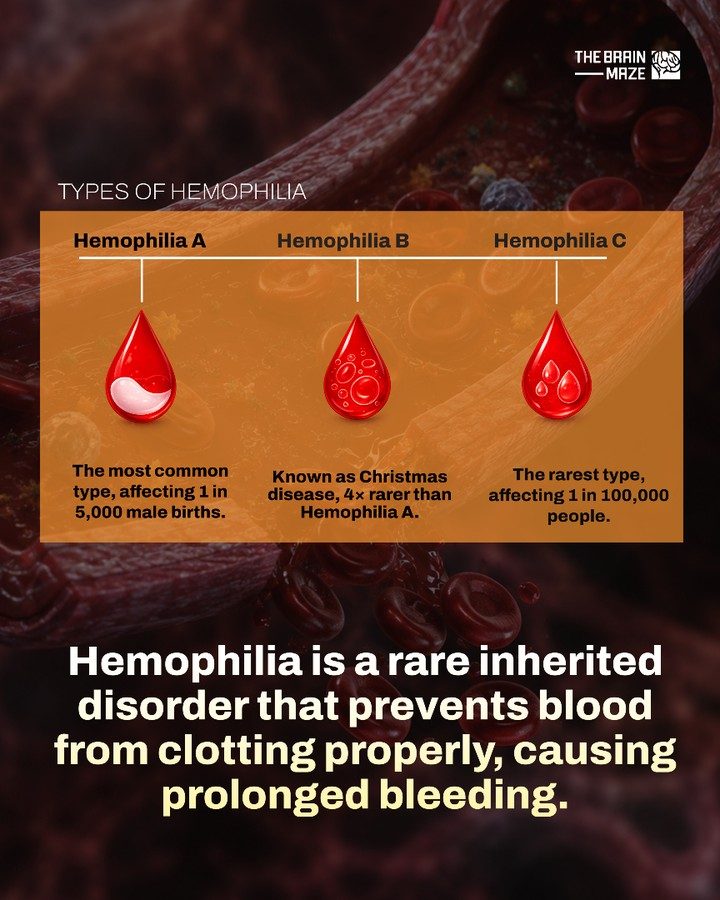
Hemophilia: Types and Prevalence
Hemophilia is an inherited bleeding disorder that affects the body's ability to clot blood properly. This condition is caused by a deficiency in certain clotting factors, leading to prolonged bleeding from injuries and, in severe cases, spontaneous bleeding into joints and muscles. There are three main types of hemophilia: A, B, and C. Each type has distinct characteristics and varying levels of prevalence.
Why This Matters
Understanding the different types of hemophilia and their prevalence is crucial for early diagnosis, effective management, and providing appropriate care. This knowledge can also help in raising awareness about the condition, fostering a supportive community, and encouraging further research.
The Three Types of Hemophilia
Hemophilia A
Hemophilia A is the most common type, affecting approximately 1 in 5,000 male births. It is caused by a deficiency in clotting factor VIII. This type of hemophilia can range from mild to severe, depending on the level of factor VIII in the blood. Individuals with severe Hemophilia A may experience spontaneous bleeding into joints and muscles, while those with mild cases may only bleed excessively during surgery or after an injury.
Hemophilia B
Hemophilia B, also known as Christmas disease, is less common than Hemophilia A, affecting about 1 in 30,000 male births. This type is caused by a deficiency in clotting factor IX. Although it has similar symptoms to Hemophilia A, it is generally considered less severe. However, the severity can vary, and some individuals may experience spontaneous bleeding.
Hemophilia C
Hemophilia C is the rarest type, affecting approximately 1 in 100,000 people. It is caused by a deficiency in clotting factor XI. Unlike Hemophilia A and B, Hemophilia C is less severe and rarely causes spontaneous bleeding. However, individuals with Hemophilia C may still experience prolonged bleeding after injuries or surgeries.
The Prevalence of Hemophilia
The prevalence of hemophilia varies significantly by type. Hemophilia A is the most common, followed by Hemophilia B, and then Hemophilia C. This variation in prevalence is important to note as it can influence the availability of resources, research, and support for each type.
Symptoms and Diagnosis
The symptoms of hemophilia can vary depending on the type and severity. Common symptoms include:
- Prolonged bleeding from cuts or injuries
- Easy bruising
- Spontaneous bleeding into joints and muscles
- Heavy menstrual bleeding in females with hemophilia
Diagnosing hemophilia typically involves a combination of medical history, physical examination, and blood tests. Diagnosis is crucial for managing the condition and preventing complications. Early diagnosis can lead to better outcomes and improved quality of life.
Treatment and Management
Managing hemophilia involves a combination of treatments and lifestyle adjustments. The primary goal is to prevent or minimize bleeding episodes and maintain a good quality of life. Key aspects of treatment and management include:
Clotting Factor Replacement Therapy
Clotting factor replacement therapy is the mainstay of treatment for hemophilia. This involves injecting the missing clotting factor (VIII for Hemophilia A, IX for Hemophilia B, and XI for Hemophilia C) into the bloodstream. This therapy can be administered on demand (when bleeding occurs) or as a prophylactic measure (regularly to prevent bleeding).
Desmopressin
For individuals with mild Hemophilia A, desmopressin may be used. This synthetic hormone helps increase the level of factor VIII in the blood, reducing the risk of bleeding.
Lifestyle Adjustments
Lifestyle adjustments are essential for managing hemophilia. These may include:
- Avoiding activities that pose a high risk of injury
- Regular physical activity to maintain joint health and muscle strength
- Prompt treatment of bleeding episodes
- Regular medical check-ups and monitoring
Support and Community
Living with hemophilia can present unique challenges. Joining support groups and communities can provide valuable emotional support, practical advice, and a sense of belonging. Organizations dedicated to hemophilia can offer resources, information, and advocacy to help individuals and families navigate the condition.
Important Takeaways
Understanding the types and prevalence of hemophilia is essential for effective management and support. Key points to remember include:
- Hemophilia is a rare inherited bleeding disorder caused by a deficiency in clotting factors.
- There are three main types: Hemophilia A, B, and C, with varying levels of prevalence.
- Early diagnosis and appropriate treatment are crucial for managing the condition and preventing complications.
- Support from communities and organizations can significantly enhance the quality of life for individuals with hemophilia.
Conclusion
Hemophilia is a complex and challenging condition, but with the right knowledge, treatment, and support, individuals can lead fulfilling lives. Understanding the different types, their symptoms, and available treatments is a crucial step in managing the condition effectively. Whether you are directly affected by hemophilia or seeking to support someone who is, this information can help navigate the challenges and improve outcomes.
Watch the Reel
Questions readers ask
What is the most common type of hemophilia?
Hemophilia A is the most common type, accounting for about 80% of all hemophilia cases. It is caused by a deficiency in clotting factor VIII, which leads to prolonged bleeding, especially in severe cases.
What is hemophilia B, and how does it compare to hemophilia A?
Hemophilia B, also known as Christmas disease, is caused by a deficiency in clotting factor IX. It is less common than hemophilia A, making up about 20% of cases. Symptoms are similar to hemophilia A, but the management of care and treatment may differ.
What is hemophilia C, and why is it less known?
Hemophilia C, also known as Rosenthal syndrome, is caused by a deficiency in clotting factor XI. It is the rarest form of hemophilia, with a prevalence of about 1 in 100,000 people. It is less known because it is more mild and may not be as frequently reported.
What are some common symptoms of hemophilia A and B?
Common symptoms of hemophilia A and B include prolonged bleeding from injuries, spontaneous bleeding into joints and muscles, and excessive bruising. These symptoms can vary in severity, with some individuals experiencing mild symptoms while others face severe and life-threatening bleeding events.
How is a hemophilia diagnosis made, and how does it impact management?
A hemophilia diagnosis is typically made through a combination of medical history, physical examination, and blood tests that measure clotting factor levels. An accurate diagnosis is essential for appropriate management, which may involve regular infusions of the deficient clotting factor, physical therapy, and pain management.
Is hemophilia only for males and why?
Hemophilia is primarily a male disorder. It is an X-linked genetic disorder, meaning the gene responsible for the deficiency is located on the X chromosome. Males have one X and one Y chromosome, while females have two X chromosomes. Thus, if a female has one affected X chromosome, the other usually compensates, but males have no other X chromosome to compensate.
What are some common treatments for hemophilia and what factors determine the type of treatment?
Common treatments for hemophilia include replacement therapy, where the deficient clotting factor is infused into the body. The type of treatment depends on the severity of the condition, the specific type of hemophilia, and the individual's response to therapy. Other supportive measures include regular exercise to maintain joint health and pain management.
Related deep dives
Similar reads based on topic and creator.


Recent articles
Fresh deep dives from the latest Reels we unpacked.




Comments
Be the first to comment.