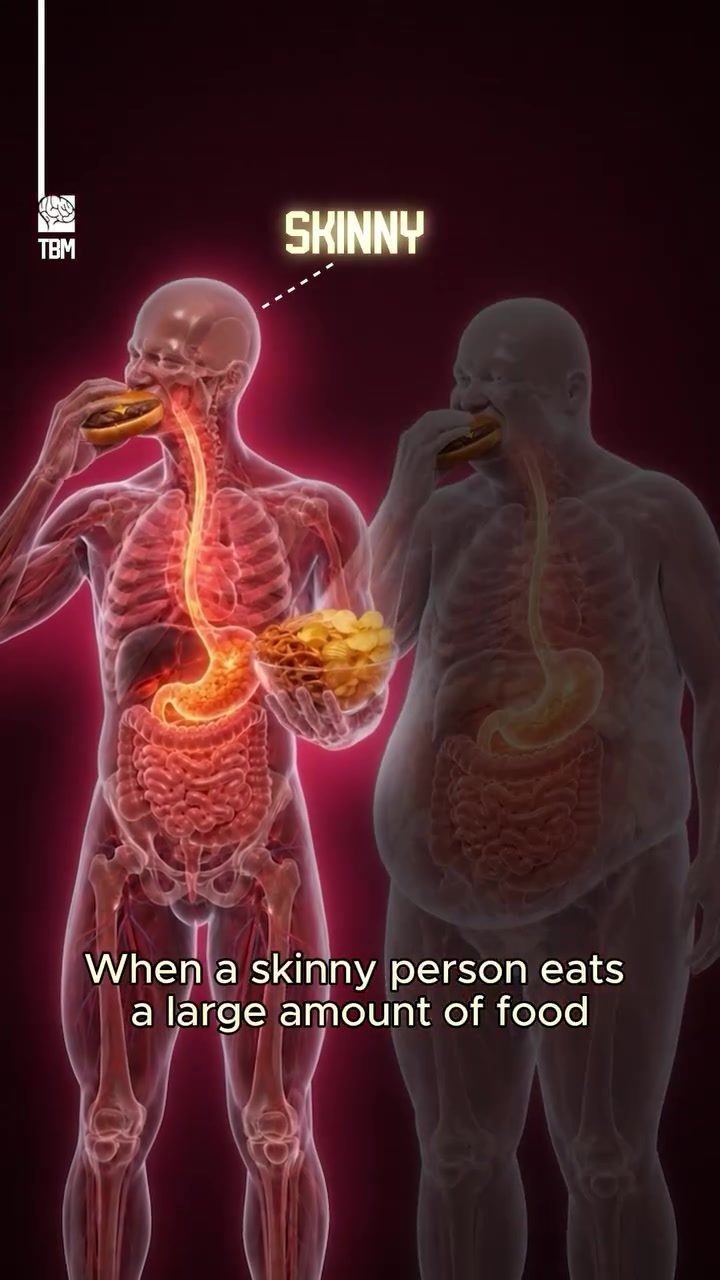
Understanding Why Some People Stay Skinny and Others Don't
The mystery of why some people can eat large amounts of food without gaining weight has long fascinated both the lean and those who struggle with weight. The answer lies in the complex ways our bodies use, store, and regulate energy. Let's dive into the key factors that influence how our bodies process food and maintain different body types.
Why This Matters
Understanding the mechanisms behind energy regulation can provide valuable insights into weight management and overall health. By examining the unique ways in which lean people metabolize food, we can better appreciate the individuality of metabolism and the factors that contribute to weight gain or loss.
Factors Influencing Metabolism
NEAT: Non-Exercise Activity Thermogenesis
One of the most significant factors in how lean people stay thin is Non-Exercise Activity Thermogenesis (NEAT). This term refers to the calories burned through daily activities that are not considered exercise, such as fidgeting, standing, pacing, and other constant small movements. Lean individuals often have higher levels of NEAT, meaning they burn more calories throughout the day without even realizing it. This increased energy expenditure can contribute to maintaining a lower body weight, even when consuming large amounts of food.
Muscle Mass and Basal Metabolic Rate
Muscle mass plays a critical role in metabolism. Muscles are metabolically active, meaning they use more calories than fat, even at rest. People with higher muscle mass naturally have a higher basal metabolic rate (BMR), which is the number of calories the body burns to maintain basic functions. This can result in more efficient calorie burning and easier weight management.
Genetics also influence basal metabolic rate. Some people are genetically predisposed to a slightly higher BMR, which can contribute to a leaner physique. However, genetics alone do not determine body weight; lifestyle factors such as diet and activity levels also play significant roles.
Hormones: Ghrelin and Leptin
Hormones such as ghrelin and leptin heavily influence hunger and fullness. Ghrelin is known as the "hunger hormone" because it stimulates appetite, while leptin signals satiety and helps regulate energy balance. Imbalances in these hormones can lead to overeating or undereating, affecting weight management. For example, individuals with lower leptin levels may feel less satiated after meals, leading to increased calorie intake and potential weight gain.
Adaptive Thermogenesis
Some bodies increase energy expenditure after eating through a process called adaptive thermogenesis. This mechanism helps regulate energy balance by adjusting the number of calories burned based on the amount of food consumed. People with higher levels of adaptive thermogenesis may burn more calories after eating, contributing to a leaner physique.
Brown Fat and Gut Bacteria
Active brown fat, which is more prevalent in lean individuals, can burn calories to produce heat. This type of fat is particularly active in newborns and hibernating animals, helping to regulate body temperature. In humans, brown fat can contribute to energy expenditure and may play a role in weight management.
Gut bacteria also influence how efficiently energy is extracted from food. The composition of gut microbiota can affect digestion, absorption, and the storage of nutrients. Certain bacteria may help regulate metabolism by influencing the body's ability to extract and store energy from food.
Practical Tips for Enhancing Metabolism
While genetics and hormones play crucial roles in metabolism, there are several practical tips that can help enhance energy expenditure and support weight management:
-
Increase NEAT: Incorporate more movement into your daily routine. Stand more, take short walks, and engage in light activities that keep you active throughout the day.
-
Build Muscle Mass: Engage in strength training exercises to build and maintain muscle mass. This can help increase your basal metabolic rate and burn more calories, even at rest.
-
Maintain a Balanced Diet: Consume a balanced diet rich in lean proteins, whole grains, and healthy fats. Avoid processed foods and focus on nutrient-dense options that support overall health and metabolism.
-
Stay Hydrated: Drinking adequate water is essential for maintaining optimal metabolic function. Proper hydration supports digestion, nutrient absorption, and energy regulation.
-
Get Enough Sleep: Quality sleep is crucial for regulating hormones that influence metabolism. Aim for 7-9 hours of sleep per night to support overall health and weight management.
-
Manage Stress Levels: Chronic stress can disrupt hormone balance and lead to weight gain. Engage in stress-reducing activities such as meditation, yoga, or deep breathing exercises to maintain hormone equilibrium.
-
Consult a Professional: If you have specific concerns about your metabolism or weight, consider consulting a healthcare professional or a registered dietitian. They can provide personalized recommendations and guidance tailored to your unique needs.
Important Takeaways
-
Individual Differences: Each body processes and regulates energy differently. Factors such as NEAT, muscle mass, and hormones play significant roles in how efficiently calories are burned and stored.
-
Holistic Approach: Maintaining a lean physique involves a combination of diet, activity, and lifestyle factors. It's essential to adopt a holistic approach that addresses multiple aspects of health and wellness.
-
Personalized Strategies: There is no one-size-fits-all solution for weight management. Personalized strategies that consider individual differences in metabolism, genetics, and lifestyle are key to achieving and maintaining a healthy weight.
-
Continuous Learning: Stay informed about the latest research and developments in metabolism and weight management. Understanding the science behind energy regulation can empower you to make informed decisions about your health.
Conclusion
The fascinating world of metabolism reveals that staying lean or gaining weight is a complex interplay of various factors. By understanding how our bodies process and regulate energy, we can gain valuable insights into weight management and overall health. Embrace a holistic approach to wellness, focusing on diet, activity, and lifestyle habits that support a healthy metabolism.
Watch the Reel
Questions readers ask
What is NEAT and how does it help lean individuals burn more calories?
NEAT, or Non-Exercise Activity Thermogenesis, refers to the energy expended during daily activities outside of planned exercise, such as walking, standing, or fidgeting. Lean individuals typically have higher NEAT levels, which means they burn more calories naturally throughout the day due to increased movement and activity. This higher NEAT contributes to their overall calorie burning and helps maintain a lean physique.
How does muscle mass influence the calorie-burning process in lean people?
Muscle tissue burns more calories than fat tissue, even at rest. Lean individuals often have a higher percentage of muscle mass, which elevates their basal metabolic rate (BMR). This means they burn more calories naturally, even when they are not actively exercising, due to the higher metabolic demand of muscle tissue. This is a key factor in how lean people burn more calories than those with less muscle mass.
Can increasing NEAT help with weight management for those who are not lean?
Yes, increasing NEAT can be an effective strategy for weight management. By finding ways to move more throughout the day—for example, taking the stairs instead of the elevator, walking during breaks, or doing some light household chores—individuals can boost their daily calorie burn. This additional calorie expenditure can support weight loss or maintenance goals.
What is the difference between NEAT and exercise in terms of calorie burning?
NEAT and exercise both contribute to overall calorie expenditure, but they differ in their nature and intensity. NEAT involves low to moderate activities performed throughout the day, such as walking or fidgeting, while exercise typically involves planned, structured activities like running or weightlifting. Both are important for a healthy lifestyle, but increasing NEAT can be particularly helpful for those looking to burn more calories without necessarily increasing their exercise routine.
Can lean people still gain weight if they eat too much?
Yes, lean people can gain weight if they consume more calories than their body needs, regardless of their ability to burn calories naturally. While their higher metabolic rate and NEAT levels help them maintain a lean physique, excessive calorie intake will still lead to weight gain. It is important for lean people also to maintain a balanced diet to keep their weight in check.
Is it true that lean people need to eat more to maintain their weight?
Lean people often have higher calorie needs due to their higher metabolism and NEAT levels. This means they may need to consume more calories than those who are not lean to maintain their weight. However, the exact number of calories required can vary greatly from person to person, depending on factors like age, gender, muscle mass, and daily activity levels.
How can non-lean individuals boost their metabolism to burn more calories naturally?
Non-lean individuals can boost their metabolism through a combination of strategies, including increasing muscle mass through strength training, engaging in both structured exercise and daily activities to elevate NEAT, and maintaining a balanced diet. It is essential to focus on sustainable habits as it is a gradual process and will take some time to see the results.
Related deep dives
Similar reads based on topic and creator.

Recent articles
Fresh deep dives from the latest Reels we unpacked.




Comments
Be the first to comment.