Lay's Chips: The Surprising Ingredient Misconception
Lay's potato chips are a ubiquitous snack enjoyed by millions, but a recent viral survey has shed light on a surprising misconception among consumers. Despite being made from sliced potatoes, many customers are unaware of the chips' core ingredient. This revelation has sparked a debate about how processed foods are perceived and the role of branding in shaping consumer awareness.
Context
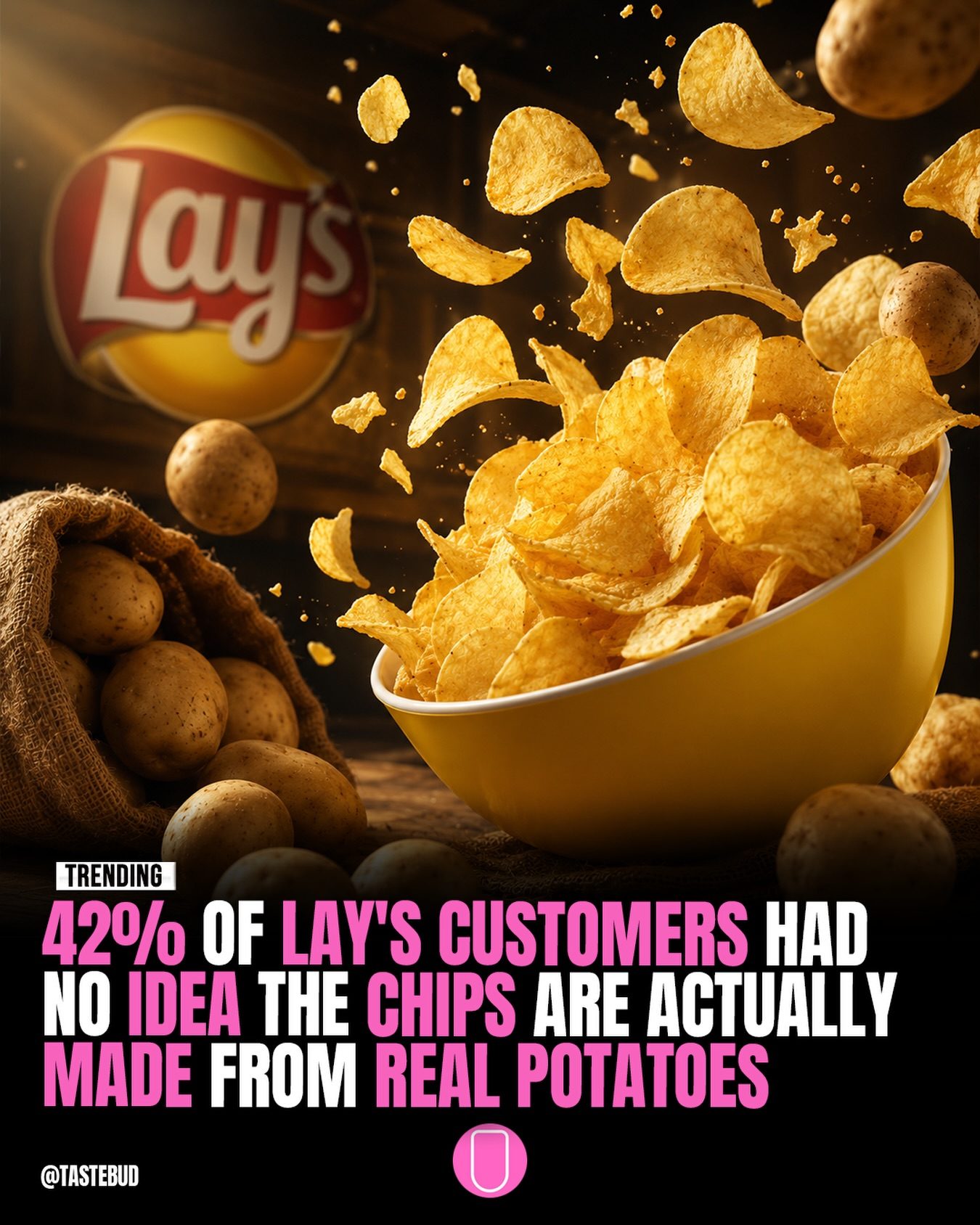
The viral survey, which circulated widely online, claimed that 42% of Lay's customers had no idea the chips were made from real potatoes. This statistic, highlighted dramatically in an advertisement, has provoked questions about consumer knowledge and the impact of branding on product perception.
The Ingredient Mystery
The Sliced Potato Truth
Lay's potato chips are essentially thinly sliced potatoes that are fried and seasoned. The process transforms the humble potato into a crispy, savory snack. However, the dramatic visual contrast between the finished chips and the raw potatoes in the advertisement underscores the disconnect between the product and its origin.
The Role of Branding
Branding plays a crucial role in how consumers perceive products. In the case of Lay's, the branding has likely contributed to the misconception that the chips are not made from real potatoes. The sleek packaging, flavorful varieties, and marketing campaigns often overshadow the simple fact that the chips start as a potato.
Perceptions of Processed Foods
Consumer Awareness
The survey highlights a broader issue of consumer awareness regarding processed foods. Many processed foods undergo significant transformations, making it difficult for consumers to recognize the original ingredients. This lack of awareness can lead to misconceptions and misinformation.
The Impact of Marketing
Marketing strategies often emphasize the final product rather than the raw ingredients. For instance, a bag of Lay's chips might be marketed based on its flavor, crunch, and variety rather than its humble potato origins. This focus can contribute to the disconnect between the product and its ingredients.
Social Media and Misinformation
Social media can both spread and correct misinformation. The viral survey about Lay's chips is a prime example. It quickly gained traction, sparking debates and discussions about consumer awareness and the role of branding. However, without clear information about the survey's methodology and source, the claims have to be taken with a grain of salt.
Potential Benefits
The discussion around the survey has a silver lining: it encourages consumers to be more curious about the ingredients in their favorite snacks. This curiosity can drive healthier eating habits and greater awareness of what goes into the foods we consume.
Practical Tips
Check the Label
One of the best ways to stay informed about the ingredients in your favorite snacks is to check the label. Look for straightforward ingredient lists that clearly state the primary components of the product. For potato chips, the label should prominently feature potatoes.
Understand the Processing
Understanding the processing involved in making a snack can also help. For example, knowing that potato chips are made from thinly sliced and fried potatoes can make the ingredient list more comprehensible. The better informed you are, the easier it is to make healthy choices.
Research Brands
Different brands have varying levels of transparency about their ingredients and processing methods. Researching a brand can give you a clearer picture of their practices and help you make more informed decisions about the products you buy.
Important Takeaways
The misconception surrounding Lay's chips being made from real potatoes underscores a broader issue of consumer awareness and the impact of branding. The viral survey has sparked important conversations about how processed foods are perceived and the need for greater transparency in the food industry.
Conclusion
The revelation that many Lay's customers are unaware that the chips are made from real potatoes is a reminder of how branding can sometimes distance products from their original ingredients. It underscores the importance of being curious about the foods we consume and the need for greater transparency in the food industry. By staying informed and asking the right questions, consumers can make better choices and foster a healthier food culture.
Watch the Reel
Questions readers ask
Are Lay's chips actually made from real potatoes?
Yes, Lay's chips are made from real potatoes. The process involves slicing potatoes, cooking them, and then seasoning the slices to create the final product.
What are the main ingredients in Lay's potato chips?
The primary ingredients in Lay's potato chips are potatoes, vegetable oil, and salt. Additional ingredients include various seasonings and preservatives.
Why are people unaware that Lay's chips are made from real potatoes?
The misconception likely stems from the way Lay's is marketed and perceived as a processed snack food. The branding and packaging may not emphasize the real potato content as strongly as the taste and crispiness.
How significant is the consumer awareness issue regarding Lay's chips?
According to a viral survey, 42% of Lay's consumers were not aware that the chips are made from real potatoes. This highlights a gap in consumer knowledge about the primary ingredient in a popular snack.
What is the impact of branding on the perception of processed foods like Lay's chips?
Branding can significantly influence how consumers perceive processed foods. In the case of Lay's, the brand's focus on taste and experience may overshadow the real potato ingredient, leading to misconceptions about the product's composition.
What role does consumer awareness play in food choices?
Consumer awareness of ingredients is crucial for making informed food choices. Understanding what goes into their food can help consumers make decisions that align with their dietary preferences and health goals.
How can manufacturers address the issue of consumer misconceptions about ingredients?
Manufacturers can address misconceptions by providing clear, transparent labeling and communicating the key ingredients in their marketing campaigns. This can help consumers better understand what they are eating and make more informed choices.
Related deep dives
Similar reads based on topic and creator.



Recent articles
Fresh deep dives from the latest Reels we unpacked.




Comments
Be the first to comment.