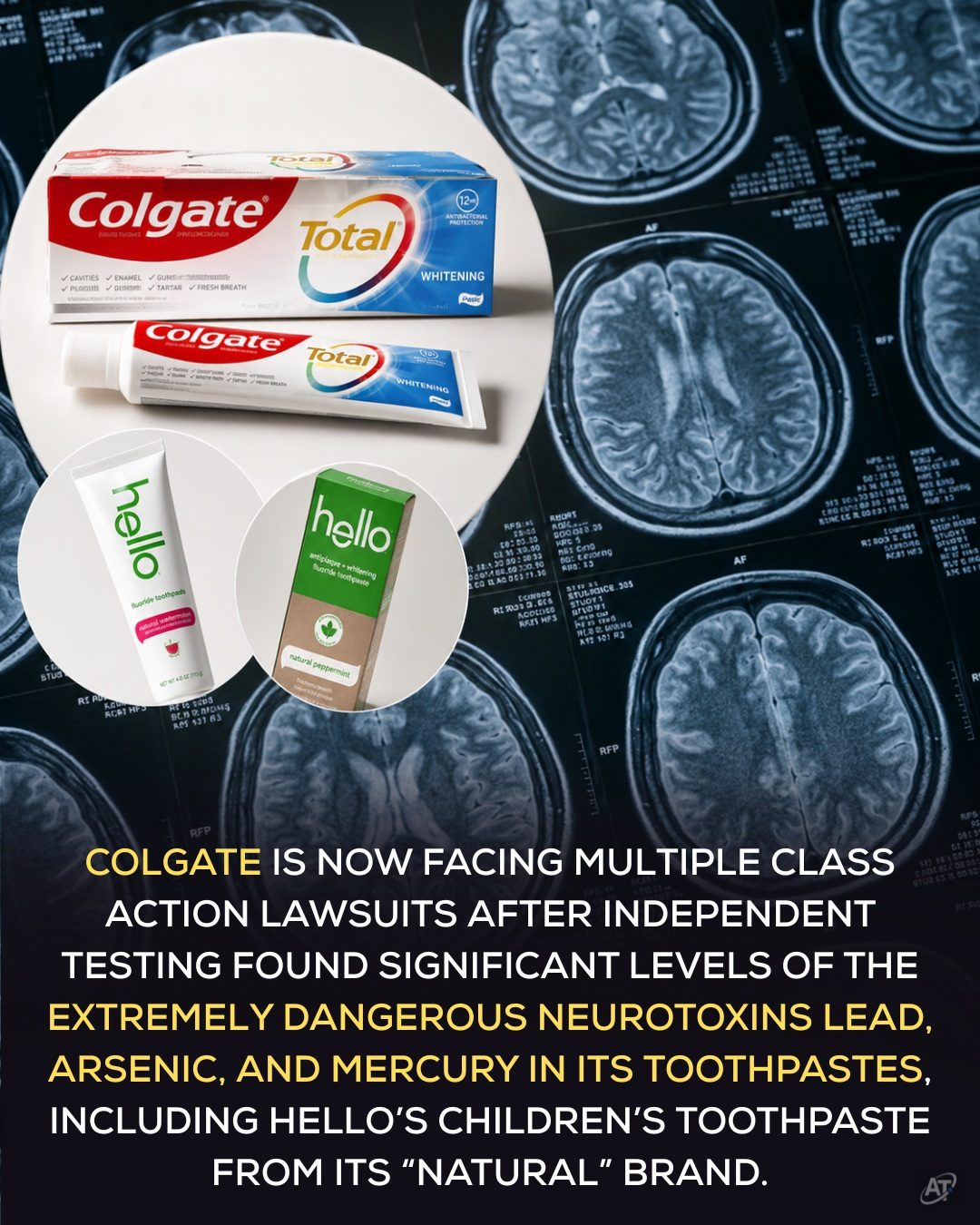
Toothpaste Concerns: What Parents Need to Know
Concerns about children's toothpaste have skyrocketed due to recent accusations of heavy metal contamination. A class-action lawsuit filed in New York federal court alleges that some Hello Kids toothpastes contain elevated levels of lead and mercury. The lawsuit highlights the importance of transparency in children's products, particularly those marketed as "natural" or "safe."
Why This Matters
When it comes to children’s oral care, the stakes are high. Toothpaste is used daily, and younger children may swallow some of it, making the potential presence of heavy metals a serious concern. Lead, in particular, is a significant issue because it can affect children’s developing brains and nervous systems, and no completely safe level of lead exposure has been established.
Main Discussion
Understanding the Lawsuit
The lawsuit, which references products like Hello Kids Dragon Dazzle and Hello Kids Fresh Watermelon, claims that Hello Products failed to disclose the presence of these contaminants. It is crucial to note that the lawsuit does not confirm wrongdoing but rather initiates a legal process to test these claims.
Heavy Metals in Toothpaste
The allegations involve heavy metals like lead, arsenic, and mercury, which are not supposed to be present in children’s toothpastes. These metals can have severe health implications, especially for young children. For example, lead exposure can lead to cognitive and neurological issues, while mercury and arsenic are also known to be harmful.
Colgate Total and Hello Toothpaste
The lawsuit also implicates Colgate Total toothpaste, indicating a broader issue within the industry. Colgate Total, marketed as a comprehensive oral care product, is now under scrutiny due to the discovery of significant levels of lead, arsenic, and mercury. This has sparked concerns about other brands and products in the market.
Importance of Transparency
The issue underscores the need for clear labeling and transparent testing. Parents deserve to know exactly what contaminants, if any, are in the products they use for their children. This transparency is especially crucial for products marketed as "natural," "safe," or "kid-friendly."
Practical Tips
To navigate these concerns, here are some practical tips for parents:
Check Labels and Reviews
Always read the labels carefully and look for products with clear and detailed ingredient lists. Check online reviews and any available test results to ensure the product meets safety standards.
Consult with Professionals
If you have concerns about a particular product, consult with your child’s pediatrician or a dental professional. They can provide guidance based on the latest health and safety information.
Consider Alternatives
If you’re unsure about a product, consider switching to a different brand or type of toothpaste. Look for ones that are FDA-approved and have a strong reputation for quality and safety.
Important Takeaways
Children's toothpaste should not be a source of anxiety for parents. The primary takeaway from this situation is the importance of transparency and strict safety standards.
Product Quality
Ensure that the products you choose for your children are of the highest quality. Look for certifications and endorsements from reputable health organizations.
Advocacy and Awareness
Stay informed and advocate for stricter regulations and better transparency in the oral care industry. By doing so, you can help ensure that all children’s products are safe and reliable.
Conclusion
The recent lawsuit against Hello Products and the inclusion of Colgate Total in the allegations serve as reminders about the importance of vigilance and transparency in the oral care industry. As parents, it is essential to be informed and proactive in choosing safe and reliable products for your children.
Watch the Reel
Questions readers ask
Which specific products are involved in the recent toothpaste lawsuit?
The recent lawsuit involves Hello Kids toothpaste, with allegations of elevated levels of lead and mercury in some of its products. The lawsuit was filed in a New York federal court, highlighting the importance of transparency in product labeling.
Why are lead and mercury in toothpaste particularly concerning for children?
Children are more vulnerable to the toxic effects of lead and mercury, especially in their developing stages. Additionally, young children may swallow toothpaste, increasing their risk of ingesting harmful substances. These heavy metals can adversely affect their brain and nervous system development.
What steps can parents take to ensure their child's toothpaste is safe?
Parents should carefully check product labels and opt for toothpaste brands that are transparent about their ingredients. It’s also a good idea to stick with well-known brands, especially those that have not been involved in recent controversies and have a strong reputation for safety.
Has there been a recall on Colgate Kids Toothpaste?
As of the latest information, there has not been a recall specifically for Colgate Kids Toothpaste related to lead or mercury contamination. However, it is always wise to check the latest updates from the manufacturer or the FDA website for any new developments. If you have any concerns, consider reaching out to the company for clarification.
What should I do if I suspect my child’s toothpaste is contaminated?
If you suspect contamination, immediately stop using the product and contact the manufacturer for more information. Additionally, reach out to your pediatrician for guidance on next steps, and consider reporting the issue to the FDA for further investigation.
Recent articles
Fresh deep dives from the latest Reels we unpacked.




Comments
Be the first to comment.