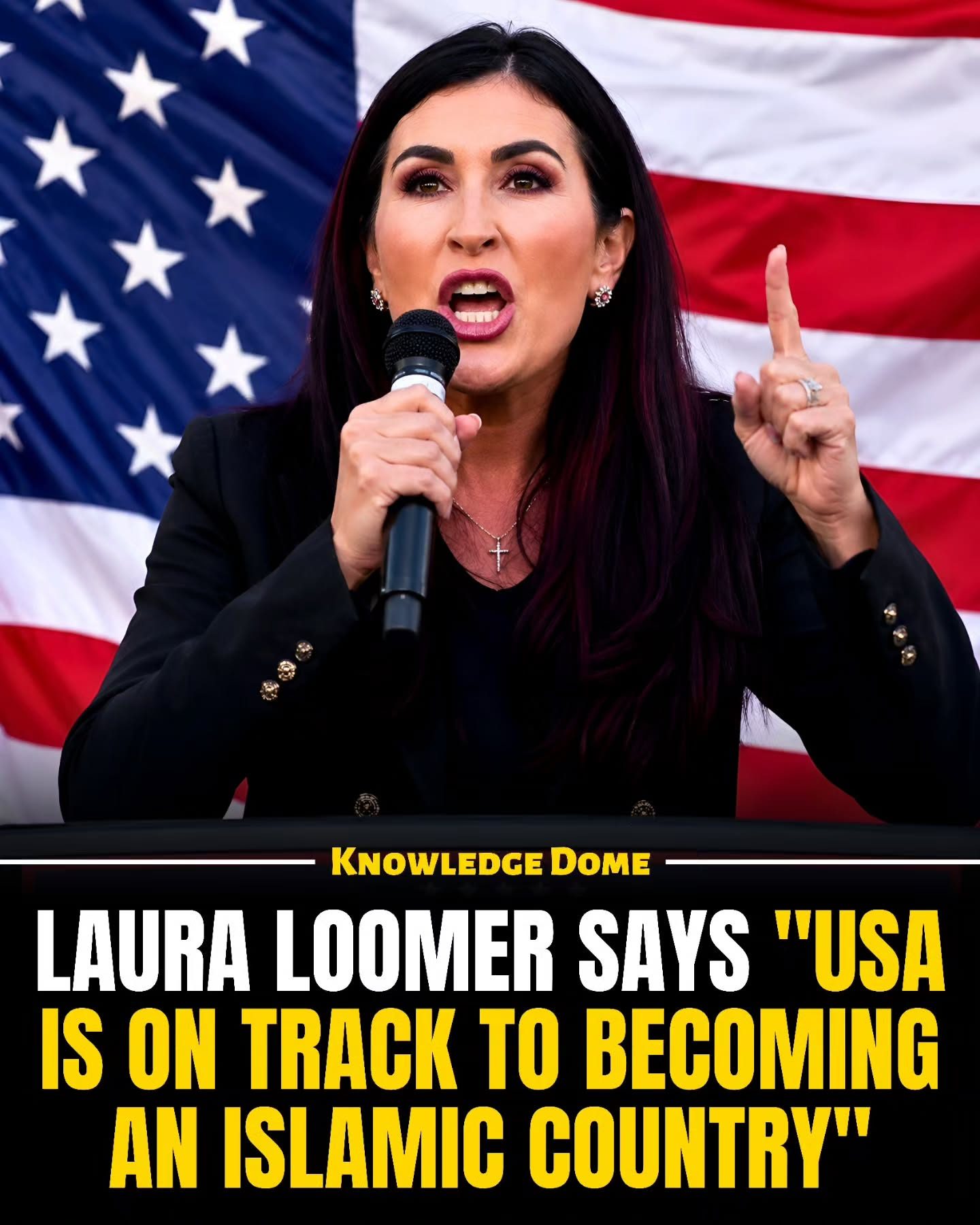
Laura Loomer's Controversial Claims: The United States as an Islamic Country
Laura Loomer's recent claim that the United States is "on track to becoming an Islamic country" has sparked intense debate and controversy. This assertion, along with her broader anti-Muslim views, has drawn significant attention and criticism. Loomer, a prominent figure known for her bold and often divisive political commentary, has frequently argued that America should remain a majority white Christian country. She posits that Islam is incompatible with Western or American values.
Why This Matters
Loomer's statements are not merely provocative; they touch on deeply rooted societal issues, including religious tolerance, immigration, and the future of American identity. Her claims have far-reaching implications for how the country perceives itself and its diverse population. Understanding the context and facts behind these claims is crucial for anyone interested in the evolving landscape of American politics and society.
Main Discussion
Historical Context of Anti-Muslim Sentiment
Loomer's views are not new; anti-Muslim sentiment has been a recurring theme in American political discourse. Since the 9/11 attacks, there has been a surge in anti-Muslim rhetoric, driven by fears of terrorism and cultural differences. This sentiment has been fueled by politicians and media figures who often portray Muslims as a threat to national security and cultural integrity.
Loomer's Specific Claims
Loomer's specific claims include the idea that Muslims should not hold public office in the United States. She has spoken out against Muslim leaders, Islamic phrases, and even Muslim clothing in government spaces. These views are seen by many as extremist and dangerous, advocating for policies such as deportation of Muslims from the country.
Demographic Reality
The demographic reality in the United States, however, does not support Loomer's claims. Muslims make up only a small portion of the U.S. population, around 1% to 1.5%. Even future projections suggest only slow growth in the Muslim population. This demographic data underscores the fact that the United States is a diverse nation with a variety of religious beliefs, and the risk of it becoming an Islamic country is minimal.
Constitutional Protections
The United States has no official religion, and the First Amendment to the Constitution ensures that the government cannot establish any one faith as the official religion of the country. This constitutional protection is a cornerstone of American democracy, ensuring that all citizens have the freedom to practice their religion without fear of discrimination or persecution.
Practical Tips
Engaging in Respectful Dialogue
For those interested in engaging with these complex issues, it’s important to approach conversations with respect and understanding. Recognize that fear and misunderstanding often drive divisive rhetoric. Seek out reputable sources of information and engage in open, honest dialogue with those who hold different viewpoints. This can help bridge gaps and foster a more tolerant and inclusive society.
Staying Informed
Stay informed about the demographic and constitutional realities of the United States. Understanding the true state of religious diversity and the legal protections in place can help counteract misinformation and fear-mongering. Engage with diverse communities and learn about their experiences and perspectives.
Advocating for Inclusion
Advocate for policies that promote inclusion and diversity. Support organizations and initiatives that work towards creating a more inclusive society. This can include advocating for education that promotes cultural understanding, supporting policies that protect religious freedom, and encouraging community-building efforts that foster a sense of belonging and mutual respect.
Important Takeaways
Loomer's claims, while controversial, highlight the enduring issues of religious tolerance and identity in the United States. They serve as a reminder that the country's diverse population is a strength, not a threat.
Conclusion
The debate surrounding Laura Loomer's claims about the United States becoming an Islamic country is a complex one, steeped in historical context, constitutional protections, and demographic realities. Understanding the facts and engaging in respectful dialogue are essential steps in navigating this contentious issue. By staying informed and advocating for inclusion, individuals can contribute to a more tolerant and unified society.
Watch the Reel
Questions readers ask
Who is Laura Loomer and why is she controversial?
Laura Loomer is a political commentator known for her divisive views and bold statements. She has gained attention for her anti-Muslim and anti-immigration stances, as well as her claim that the United States is on track to become an Islamic country. Her controversial remarks have sparked public debate and criticism.
What are the main points of Laura Loomer's argument about Islam and the United States?
Loomer argues that the U.S. is at risk of becoming an Islamic country and that Islam is incompatible with Western and American values. She advocates for the U.S. to remain a majority white Christian country, expressing concerns about the influence of Islam in America.
How has the public reacted to Laura Loomer's claims about Islam?
Loomer's claims have elicited a range of reactions, from strong criticism to support from those who share her views. Many people disagree with her assertions, arguing that they promote intolerance and misconceptions about Muslims in the United States. The debate has highlighted concerns about religious tolerance and American identity.
What societal issues does Laura Loomer's claim about the U.S. becoming Islamic touch upon?
Her claim intersects with several contentious topics, including immigration, religious tolerance, and the future of American identity. It raises questions about how the U.S. should approach issues of diversity, inclusion, and the role of different religions in society.
What is Laura Loomer's stance on immigration?
Loomer is known for her anti-immigration views, which are closely tied to her concerns about the influence of Islam in the United States. She has advocated for stricter immigration policies and has expressed fears that increased immigration will lead to a loss of America's Christian and Western values.
How have Laura Loomer's statements about Islam influenced public discourse?
Her statements have ignited heated debates about the role of Islam in America, the future of American identity, and the impact of Islam on Western values. They have also contributed to ongoing discussions about religious tolerance and the appropriate responses to controversial political figures.
What are some of the criticisms directed at Laura Loomer's views on Islam and the United States?
Critics argue that Loomer's views are divisive and promote misconceptions about Islam and Muslims. They contend that her statements can foster hatred and intolerance. Additionally, critics challenge her interpretation of Islam's compatibility with Western and American values.
Related deep dives
Similar reads based on topic and creator.




Recent articles
Fresh deep dives from the latest Reels we unpacked.




Comments
Be the first to comment.