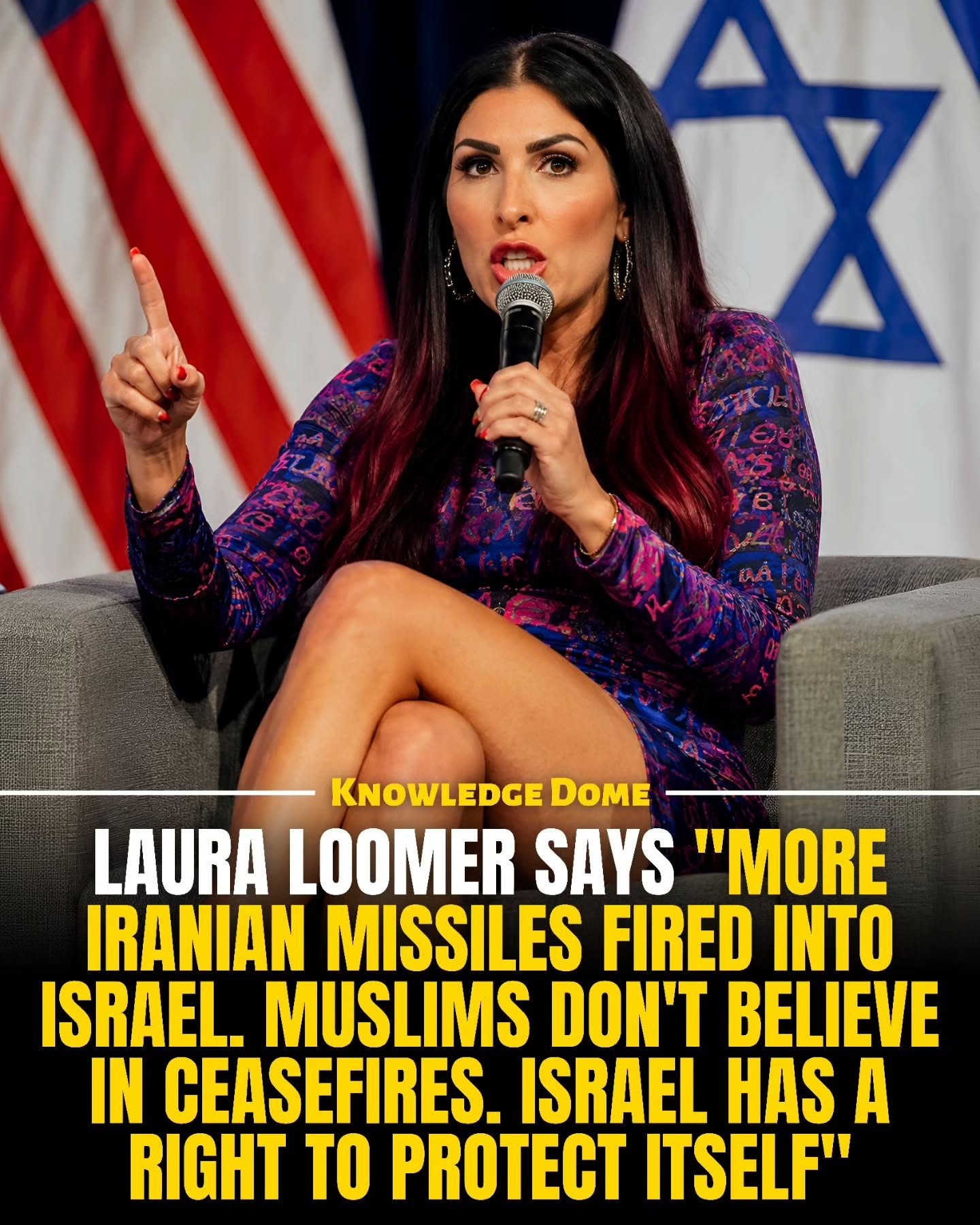
The Escalating Conflict Between Iran and Israel
The recent launch of ballistic missile strikes from Iran toward Israel has shattered a fragile ceasefire, raising tensions and fears of further escalation. This newest round of violence has sparked intense political commentary, with figures like Laura Loomer weighing in on the situation. The conflict underscores the delicate balance of power in the region and the impact of public statements during times of crisis.
Context / Why This Matters
The conflict between Iran and Israel is deeply rooted in historical grievances, geopolitical interests, and religious tensions. Iran, a predominantly Muslim country, and Israel, home to the majority of the world's Jewish population, have long-standing animosity. The recent missile strikes from Iran highlight the ongoing aggression between these two nations and the broader implications for Middle Eastern stability.
Main Discussion
The Ceasefire and Its Breaking
A ceasefire had been arranged in Washington, but it was quickly shattered by the new ballistic missile strikes. This development has raised fears that the conflict could intensify, potentially drawing in other regional players and escalating tensions even further. The ceasefire, intended to provide a moment of respite, was fragile from the start, and its collapse underscores the deep-seated issues that need to be addressed.
Laura Loomer's Comments
Laura Loomer's remarks on the situation have added fuel to the heated debate. Her comments, including her assertion that "Muslims don’t believe in ceasefires," have sparked controversy. While some supporters of Israel have agreed with her point that a country has the right to defend itself, many have criticized her language for being inflammatory and divisive. Such broad statements can exacerbate tensions and deepen the rift between communities during an already dangerous conflict.
The Role of Public Statements
In times of conflict, words spread quickly, and emotions run high. Every new attack can push the region closer to more unrest. Public statements, especially from prominent figures, can influence public opinion and either mitigate or escalate tensions. Laura Loomer's comments reflect the broader issue of how rhetoric can impact a highly volatile situation.
Broader Implications
The current situation in the Middle East is a microcosm of larger global issues. War, politics, and public statements can intersect in complex ways, making it difficult to predict outcomes. The conflict between Iran and Israel is a poignant reminder of the delicate balance of power in the region and the need for careful, measured responses to prevent further escalation.
Practical Tips
For those interested in understanding and navigating the complexities of the conflict, here are some practical tips:
- Stay Informed: Keep up with reliable sources of information to better understand the nuances of the situation. Avoid sensationalized media reports and seek out balanced, factual reporting.
- Critical Thinking: Analyze public statements from all sides with a critical eye. Consider the context, motives, and potential impact of such statements.
- Engage in Dialogue: Engage in thoughtful conversations with people from different backgrounds to gain a broader perspective. This can help bridge divides and foster understanding.
Important Takeaways
Several key points stand out from the conflict and the subsequent commentary:
- The Fragility of Ceasefires: Ceasefires in high-stakes conflicts are delicate and can easily be broken, leading to renewed violence.
- Impact of Public Statements: Public statements, especially from influential figures, can have a significant impact on public opinion and the escalation of tensions.
- The Need for Nuanced Understanding: It’s crucial to approach complex geopolitical issues with a nuanced understanding, avoiding broad generalizations that can inflame tensions.
Conclusion
The ongoing conflict between Iran and Israel serves as a stark reminder of the delicate balance of power in the Middle East and the impact of public statements during times of crisis. As tensions escalate, it is essential to stay informed, think critically, and engage in thoughtful dialogue. Understanding the intricacies of this conflict can help us navigate the complexities of geopolitics and work towards a more stable future.
Watch the Reel
Questions readers ask
Who is Laura Loomer and why is she significant in the context of the Iran-Israel conflict?
Laura Loomer is a prominent political commentator known for her outspoken views on various political issues. In the context of the Iran-Israel conflict, she has contributed to the debate surrounding the recent missile strikes, drawing both support and criticism for her remarks.
What triggered the latest escalation in tensions between Iran and Israel?
The latest escalation in tensions was triggered by the recent launch of ballistic missile strikes from Iran toward Israel. These attacks shattered a fragile ceasefire that had been in place, leading to increased fears of further violence and a heightened state of alert in the region.
What role do public statements play during crises like the Iran-Israel conflict?
Public statements by figures like Laura Loomer can significantly impact the discourse surrounding the conflict. These statements can influence public opinion, shape the narrative, and potentially affect diplomatic efforts or military responses. During times of crisis, such commentary can either ease or exacerbate tensions.
How does the conflict between Iran and Israel fit into the broader geopolitical landscape of the Middle East?
The conflict between Iran and Israel is part of a larger web of geopolitical interests, historical grievances, and religious tensions in the Middle East. The region's delicate balance of power and the interrelated interests of various countries make it a critical area for international diplomacy and security.
What are the potential implications of the recent missile strikes for the region?
The recent missile strikes could lead to further military retaliation, increased regional instability, and disruption of ongoing diplomatic efforts. The strikes have already raised concerns about the potential for a full-blown war, which would have severe consequences for both countries and the broader Middle East.
How have other nations reacted to the missile strikes between Iran and Israel?
Reactions from other nations have varied, with some countries expressing support for Israel and others calling for de-escalation. The international community, including key players like the United States and European countries, has generally urged restraint, highlighting the need for diplomacy to prevent further escalation.
What historical factors contribute to the ongoing tensions between Iran and Israel?
The ongoing tensions between Iran and Israel are rooted in a long history of hostility, including political and religious differences. Issues such as Iran's nuclear program, Israel's presence in the region, and the broader geopolitical interests of both countries have all contributed to the enduring conflict.
Recent articles
Fresh deep dives from the latest Reels we unpacked.




Comments
Be the first to comment.