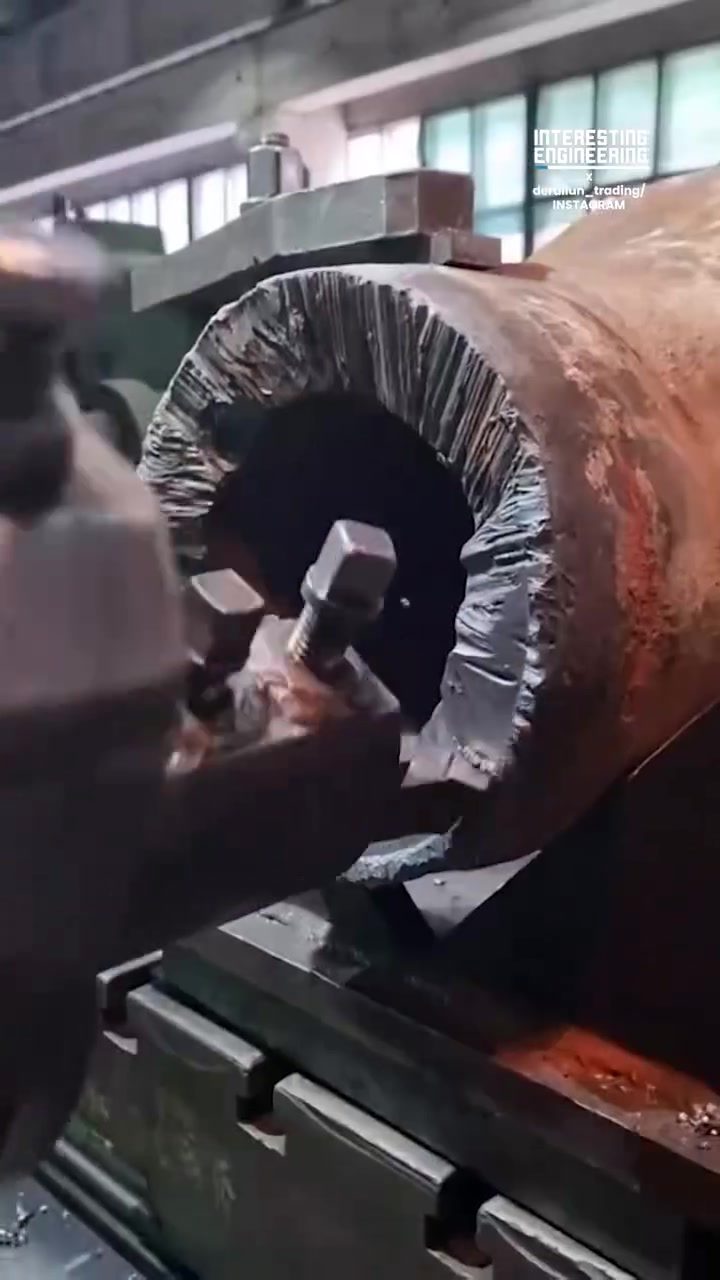
Lathe Machines: Precision in Metalworking
Lathe machines are essential tools in the world of metalworking, known for their ability to shape metal through precision cutting and rotating. These machines are particularly useful in various industries, from manufacturing to engineering. Lathe machines can perform various operations, including boring and facing, to create smooth surfaces and precise dimensions on metal components.
Why Lathes Matter in Industrial Manufacturing
In industrial manufacturing, the precision and functionality of lathe machines are critical. They enable the creation of intricate parts that require exact measurements and smooth finishes. Lathe machines are versatile, capable of handling various materials, including metals and alloys, making them indispensable in many manufacturing processes.
Types of Operations Performed by Lathe Machines
Boring
Boring is a fundamental operation performed by lathe machines. It involves enlarging existing holes to precise dimensions. This process is crucial for creating openings or cavities in various metal components. The lahthe's rotating motion and cutting tool work together to ensure the hole's inner diameter is smooth and accurate.
Facing
Facing is another critical operation where the machine cuts the end face of a workpiece to create a smooth and flat surface. Face cuts are essential for ensuring that components fit together perfectly, especially in applications where precise alignment is necessary.
Turning
Turning is the most common lathe operation, where the machine shapes the outer diameter of a workpiece. This process involves rotating the workpiece while a cutting tool removes material to achieve the desired shape and dimensions. Turning is commonly used to create cylindrical parts, such as shafts, spindles, and bolts.
Knurling
Knurling is a texturing process that adds a pattern or grip to the surface of a workpiece. This operation enhances the grip on handles, knobs, and other components that require a better hold.
Practical Tips for Using Lathe Machines
Safety First
Safety is paramount when operating a lathe machine. Always wear appropriate personal protective equipment (PPE), including safety glasses and gloves. Ensure that the machine's guards and shields are in place to protect against flying debris and metal chips.
Proper Setup
Before starting any operation, ensure the workpiece is securely clamped in the lathe's chuck or collet. Misaligned or improperly secured workpieces can lead to inaccurate cuts and potential hazards. Double-check the cutting tool's angle and positioning to avoid any mishaps during the machining process.
Material Selection
Choosing the right cutting tool and material is crucial. Different materials require specific cutting tools and speeds to achieve the desired finish and precision. Refer to the material's specifications and the machine's manual for the best practices.
Regular Maintenance
Regularly maintain your lathe machine to ensure it operates smoothly and efficiently. Clean the machine after each use to remove metal chips and debris. Lubricate moving parts and inspect the cutting tools for wear and tear. Proper maintenance extends the machine's lifespan and ensures consistent performance.
Training and Experience
Operating a lathe machine requires skill and experience. Consider undergoing training or apprenticeship programs to gain the necessary knowledge and hands-on experience. Many community colleges and vocational schools offer courses in metalworking and lathe operation.
Important Takeaways
Lathe machines are indispensable in industrial settings for their precision and versatility in shaping metal components. By understanding the various operations a lathe can perform, such as boring, facing, turning, and knurling, you can maximize its potential in your projects. Always prioritize safety, proper setup, and regular maintenance for optimal results. Investing in training and experience will further enhance your ability to use a lathe machine effectively.
Conclusion
Lathe machines offer unparalleled precision and functionality in metalworking, making them essential tools in various industries. Whether you're a seasoned professional or just starting, understanding the capabilities and best practices for using a lathe can significantly enhance your work. By following safety guidelines, setting up your machine correctly, and maintaining it regularly, you can ensure the best results in your metalworking projects.
Watch the Reel
Questions readers ask
What are the primary operations performed by lathe machines?
Lathe machines are capable of performing several key operations, including turning, facing, and boring. Turning shapes the exterior of a cylindrical workpiece, facing creates a flat surface on the end of a workpiece, and boring produces precise inner diameters.
How do lathe machines ensure precision in metalworking?
Lathe machines achieve precision through their ability to rotate and cut materials with high accuracy. Equipped with advanced control systems, they can maintain consistent cutting speeds and feed rates, ensuring that intricate details and exact measurements are achieved.
What types of materials can be used with lathe machines?
Lathe machines are highly versatile and can work with a variety of materials, including different types of metals and alloys. These include aluminum, steel, brass, and various other materials, making them indispensable in diverse manufacturing and engineering applications.
What is the significance of lathe machines in industrial manufacturing?
In industrial manufacturing, lathe machines play a crucial role by enabling the production of intricate parts with precise dimensions and smooth finishes. Their versatility and ability to handle various materials make them essential for creating components that meet tight specifications.
How do lathe machines help in achieving smooth finishes on metal parts?
Lathe machines contribute to smooth finishes through their precise cutting and rotating mechanisms. Operations like turning and facing help eliminate surface irregularities, resulting in parts with polished and even surfaces, which are often necessary for functional and aesthetic reasons.
What is the process of boring with a lathe machine?
Boring with a lathe machine involves using a single-point cutting tool to enlarge or create precise inner diameters in a pre-existing hole. This process is crucial for producing components such as cylinders and bushings, ensuring that they have the exact inner dimensions required for their intended use.
Why are lathe machines used for cylindrical metal parts?
Lathe machines are ideal for cylindrical metal parts because of their ability to hold and rotate the workpiece while cutting. This capability allows for precise shaping and dimensioning of the outer surface, ensuring that cylindrical parts meet the required specifications for their applications.
Related deep dives
Similar reads based on topic and creator.


Recent articles
Fresh deep dives from the latest Reels we unpacked.




Comments
Be the first to comment.