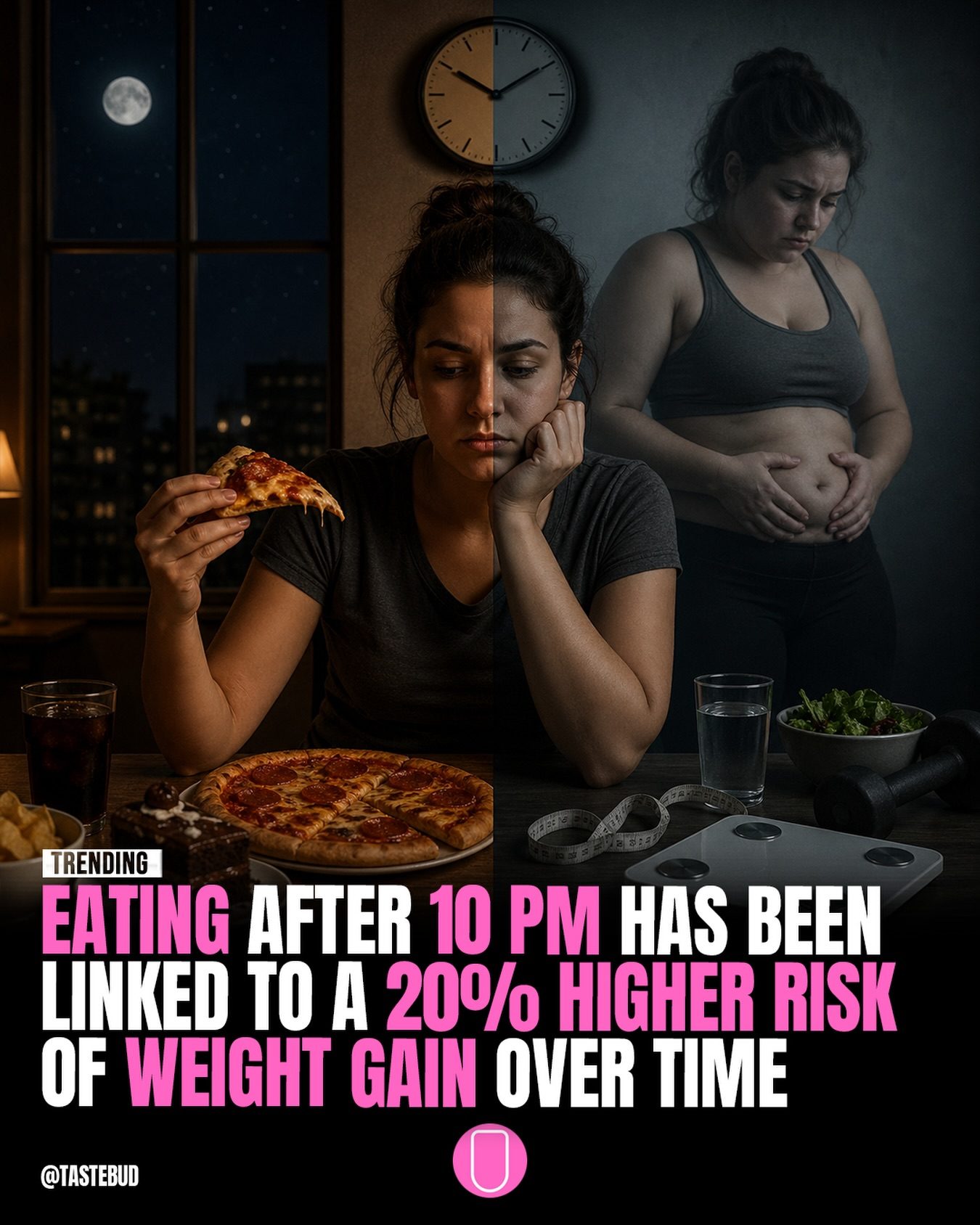
Late-Night Eating and Weight Gain
Overindulging in late-night snacks can be a slippery slope towards overeating, which is often linked to weight gain. This inclination is not solely due to the time of day, but rather, the habits and choices associated with late-night eating. High-sugar and high-fat comfort foods are common choices, and a sedentary lifestyle post-meal can severely affect digestion and blood sugar levels. The body's internal clock also plays a pivotal role, influencing hunger hormones, which makes late-night cravings harder to control.
Late-night eating has been the subject of much debate and misinformation. Contrary to popular belief, it’s not the timing that hurts, but rather the specifics of what and how much you eat. Experts continually emphasize that the most critical factor is maintaining a balanced overall diet. However, uncontrolled late-night snacking can lead many people down a path that results in unnecessary weight gain. The stakes are higher when you consider that eating after 10 PM has been linked to a 20% increased risk of weight gain over time.
Why This Matters
Understanding the intricacies of late-night eating and its correlation with weight gain is essential for anyone looking to maintain a healthy lifestyle. While the body’s internal clock and hormonal changes are partly responsible for late-night cravings, it’s critical to recognize the role of personal habits and dietary choices.
Understanding the Root Causes
The Role of Hormones
The body’s internal clock, also known as the circadian rhythm, regulates numerous physiological processes, including hunger and metabolism. Late at night, hormonal changes can make it harder to resist the urge to snack. Ghrelin, the hunger hormone, tends to peak in the evening, making you feel hungry. Cortisol, another hormone, can also spike in the late-night hours due to stress or anxiety. The combination of these hormones can lead to a strong desire for comfort foods, which are high in sugar and fat.
Habits and Lifestyle
Late-night eating often coincides with habits that don’t support a healthy lifestyle. After-eating fatigue often leads to a sedentary lifestyle, where physical activity significantly decreases. This lack of movement can slow down your metabolism, worsening digestion, and making it difficult for your body to process the food you’ve consumed. This sedentary lifestyle, combined with high-calorie, low-nutrient snacks, creates the perfect storm for weight gain.
The Impact of Food Choices
The food choices made during late-night snacking are usually high in sugar and fat, which are linked to increased weight gain. These foods provide a quick energy boost but often leave you feeling less satiated, leading to overeating. Additionally, the body’s metabolism slows down at night, making it harder to burn off the calories consumed.
Practical Tips to Manage Late-Night Eating
Plan Ahead
One of the best ways to manage late-night cravings is to plan your meals ahead of time. Eat balanced, nutrient-rich meals throughout the day to avoid feeling overly hungry in the evening. Including protein, fiber, and healthy fats in your meals can help keep you full and satisfied, reducing the urge to snack at night.
Choose Healthy Snacks
If you do plan to snack in the evening, opt for healthier options. Nuts, seeds, yogurt, and fresh fruits can provide essential nutrients and help keep you feeling full. These healthier snacks can also help curb cravings for high-sugar, high-fat foods.
Stay Active
Rather than reaching for a snack when you feel the need to eat, try engaging in a light physical activity. Walking, stretching, or yoga can help distract you from cravings and promote relaxation, improving your overall sleep quality.
Establish a Routine
Consistency is key. Establish a regular bedtime routine that includes winding down activities such as reading or taking a warm bath. This routine helps signal to your body that it’s time to rest, reducing the urge to snack.
Hydrate
Dehydration can sometimes be mistaken for hunger. Before reaching for a snack, try drinking a glass of water. If you’re still hungry after a few minutes, it might be time for a balanced snack.
Monitor Your Environment
Create a sleep-conducive environment. Keep your bedroom cool, dark, and quiet. The right environment can help regulate your body’s internal clock, making it easier to fall asleep and resist late-night snacking.
Important Takeaways
Late-night eating is a complex issue influenced by hormonal changes, habits, and dietary choices. It’s essential to recognize the role of your body’s internal clock and how it affects hunger and metabolism. By making conscious choices about what you eat and when, you can better manage late-night cravings and maintain a healthy weight.
Conclusion
Late-night eating is a common habit that can lead to weight gain if not managed properly. Understanding the root causes, such as hormonal changes and unhealthy habits, can help you make better choices. By planning your meals, choosing healthier snacks, staying active, and establishing a consistent routine, you can manage late-night cravings effectively.
Watch the Reel
Questions readers ask
Does eating late at night always lead to weight gain?
Not necessarily. Weight gain from late-night eating is more closely linked to the types and quantities of food consumed, as well as your overall daily caloric intake and habits. If you consume high-sugar, high-fat comfort foods and remain sedentary after eating, you might be more prone to weight gain.
Why do I crave unhealthy foods at night?
Late-night cravings for unhealthy foods can be attributed to several factors, including hormonal fluctuations and your body's internal clock influencing hunger hormones. Additionally, late-night snacking is often associated with sedentary activities, making it easier to reach for high-sugar, high-fat comfort foods.
How does late-night snacking affect digestion?
Late-night snacking, especially when combined with sedentary habits, can disrupt your digestion. Your body may not process the food as efficiently, leading to issues like indigestion, discomfort and potential blood sugar level imbalances. This can also make controlling cravings more difficult.
What are some healthier late-night snack alternatives?
If you find yourself hungry at night, opt for lighter, healthier snacks such as a small bowl of fruit or a handful of nuts. These options are lower in sugar and fat, and can help you avoid the discomfort and potential weight gain associated with high-fat, high-sugar comfort foods.
Can changing my late-night snacking habits help with weight control?
Yes, altering your late-night snacking habits can significantly improve your ability to control your weight. Eating healthier, lighter snacks and avoiding sedentary activities after eating can help manage your hunger hormones and digestion, making it easier to maintain a healthy weight.
Why is it harder to control cravings at night?
Controlling cravings at night can be challenging due to the influence of your body's internal clock on hunger hormones. Additionally, late-night snacking is often linked to sedentary habits, making it easier to overeat and choose unhealthy, high-sugar, high-fat comfort foods that can disrupt your digestion and blood sugar levels.
What role do high-sugar, high-fat foods play in late-night weight gain?
High-sugar, high-fat foods are often consumed during late-night snacking. These choices can lead to weight gain due to their high caloric content and potential negative impact on digestion and blood sugar levels. Pairing these foods with sedentary habits can make weight control more difficult.
Related deep dives
Similar reads based on topic and creator.



Recent articles
Fresh deep dives from the latest Reels we unpacked.




Comments
Be the first to comment.