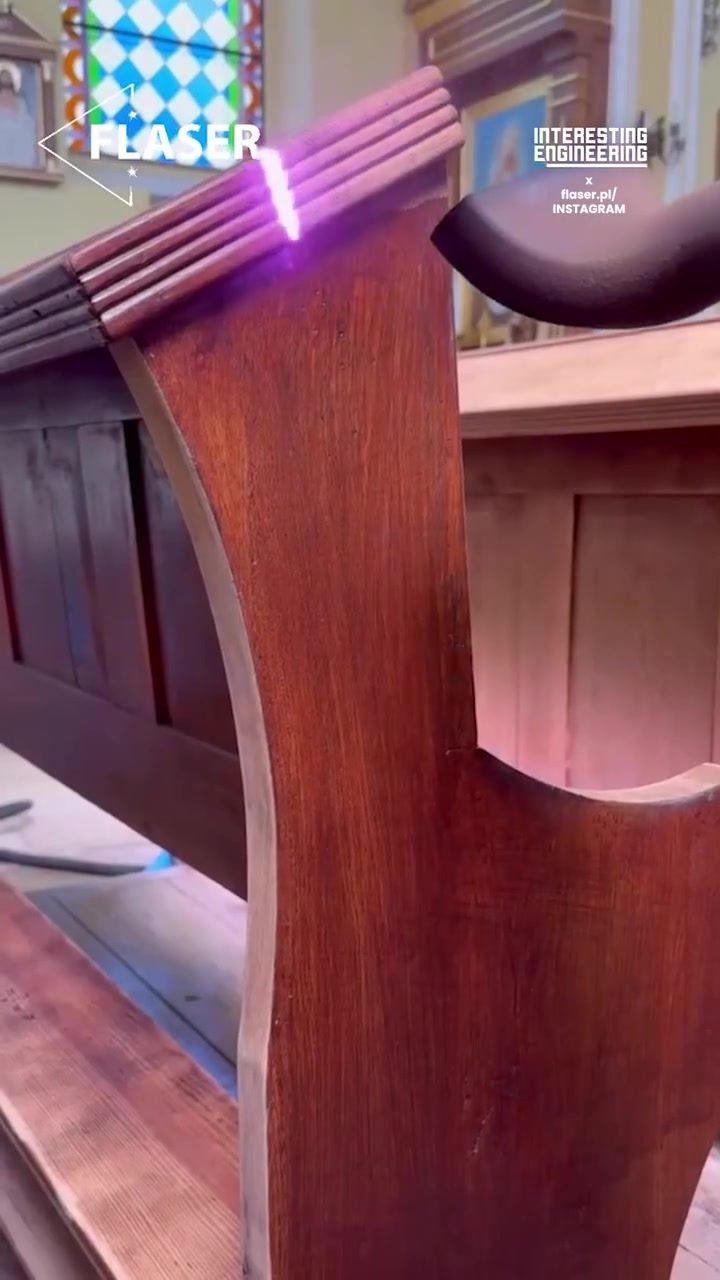
Laser Cleaning for Wood Furniture Restoration
Laser cleaning has revolutionized the way wooden furniture is restored and refinished. This innovative process removes old paint and varnish from wooden surfaces without damaging the underlying wood. By understanding how laser cleaning works, you can appreciate its precision and the advantages it offers for detailed restoration projects.
Why This Matters
Restoring wooden furniture is a meticulous process that demands precision. Traditional methods of stripping paint and varnish often involve harsh chemicals or labor-intensive sanding, which can lead to uneven surfaces and potential damage to the wood. Laser cleaning solves these problems by providing a precise, controlled method of removing unwanted coatings. This enhances the overall quality of the restoration and ensures a smoother, more durable finish.
Main Discussion
How Laser Cleaning Works
Laser cleaning uses a focused beam of light to precisely remove surface coatings from wood. The laser is directed at the surface, where it heats and vaporizes the paint or varnish without affecting the wood itself. This targeted approach ensures that only the unwanted coatings are removed, leaving the wood intact and ready for refinishing.
The Advantages of Laser Cleaning
- Precision: One of the biggest advantages of laser cleaning is its precision. The focused beam can target specific areas, making it ideal for intricate designs and detailed restoration work. This level of control means that even the most delicate wooden surfaces can be cleaned without risk of damage.
- Efficiency: Laser cleaning is significantly faster than traditional methods. It eliminates the need for multiple applications of chemicals or prolonged sanding, reducing the time and effort required for restoration.
- Environmentally Friendly: Unlike chemical strippers, laser cleaning does not involve harmful substances. This makes it a safer and more environmentally friendly option, reducing waste and minimizing the environmental impact of the restoration process.
- Surface Quality: The precision of laser cleaning results in a smoother, more uniform surface, which is essential for a high-quality finish. This makes it an excellent choice for projects requiring a flawless, refined look.
Practical Applications
Laser cleaning is particularly valuable for restoring antiques and high-quality furniture, where preserving the original wood is crucial. It can be used on a variety of wooden surfaces, including doors, cabinets, and intricate furniture pieces. The ability to clean without damaging the wood makes it ideal for restorers who need to maintain the integrity and beauty of their projects.
When to Use Laser Cleaning
Laser cleaning is best suited for projects that require meticulous attention to detail and a high level of precision. It's particularly useful for:
- Antique Restoration: When working with antique furniture, preserving the original wood is essential. Laser cleaning allows for the removal of old coatings without causing damage, ensuring the piece retains its historical value.
- Detailed Designs: For furniture with intricate carvings or designs, laser cleaning provides the precision needed to clean around these delicate areas without causing harm.
- Surface Preparation: When preparing a surface for refinishing, a smooth, even finish is crucial. Laser cleaning ensures that the surface is free of paint or varnish, ready for staining or painting.
Practical Tips
- Choosing the Right Laser: Different types of lasers can be used for cleaning, each with its own strengths. For wood, a CO2 laser is often the best choice, as it is effective at removing coatings without damaging the wood.
- Setting the Intensity: The intensity of the laser beam needs to be carefully adjusted to match the type of coating being removed. A higher intensity is needed for thicker coatings, but too much can damage the wood, so it's important to find the right balance.
- Maintaining a Consistent Distance: The distance between the laser and the surface should be consistent to ensure even cleaning. Moving the laser too close or too far can affect the precision and efficiency of the process.
- Protective Measures: Always wear appropriate protective gear, including safety glasses, to shield your eyes from the laser beam. Additionally, ensure the area is well-ventilated to avoid inhaling any vaporized materials.
Important Takeaways
Laser cleaning is a game-changer for wooden furniture restoration. Its precision, efficiency, and environmental benefits make it a valuable tool for anyone involved in detailed restoration work. By using a laser cutter, you can achieve a high-quality finish that preserves the original wood while removing unwanted coatings.
Conclusion
Laser cleaning offers a precise, efficient, and environmentally friendly method for restoring wooden furniture. Whether you're an experienced restorer or a DIY enthusiast, understanding the benefits and applications of laser cleaning can enhance the quality and precision of your restoration projects. By choosing the right laser and following best practices, you can achieve professional results that transform old, worn wood into beautifully restored pieces.
Watch the Reel
Questions readers ask
What makes laser wood restoration different from traditional methods?
Laser wood restoration differs from traditional methods by using a precise beam of light to remove old finishes, rather than harsh chemicals or sanding. This non-invasive process helps preserve the underlying wood and minimizes the risk of damage, making it ideal for detailed restoration projects.
Is laser cleaning safe for all types of wooden furniture?
Laser cleaning is generally safe for most types of wooden furniture. However, it's important to assess the condition of the wood and any previous treatments before beginning the process. Some woods, or those with certain finishes, might react differently, so a professional evaluation is always recommended.
What are the advantages of using laser cleaning for furniture refinishing?
Laser cleaning offers several advantages, including precision, efficiency, and a non-toxic process. It allows for targeted removal of finishes without harming the wood, ensuring a more even and detailed restoration. Additionally, it is an eco-friendly alternative to traditional methods, as it does not produce waste or harmful byproducts.
Can laser cleaning be used to remove all types of finishes from wood?
Yes, laser cleaning is effective in removing a variety of finishes, including paint, varnish, and stains. Whether dealing with intricate carvings or flat surfaces, the precision of laser cleaning helps to remove these finishes without damaging the underlying wood, ensuring a clean, restoration-ready surface.
What is the laser cleaning process for wood like?
The laser cleaning process for wood involves directing a focused beam of light onto the surface to vaporize and remove unwanted finishes. The process is computer-controlled, ensuring precise and uniform results. It typically involves the use of specialized equipment and trained professionals to handle the delicate task.
How does laser renew furniture compared to other wood restoration techniques?
Laser renewing furniture offers a superior alternative to traditional wood restoration techniques. Unlike sanding or chemical stripping, laser cleaning is highly precise and less likely to cause damage, making it ideal for intricate or delicate furniture. It also provides a faster and more efficient process, resulting in a more refined and detailed restoration.
What steps are involved in laser refinishing furniture?
Laser refinishing furniture typically involves several steps: assessing the piece, setting the laser parameters, performing the cleaning, and then refinishing. After the laser cleaning process, the wood may be lightly sanded, stained, and sealed to restore its original beauty and protect it for years to come.
Recent articles
Fresh deep dives from the latest Reels we unpacked.




Comments
Be the first to comment.