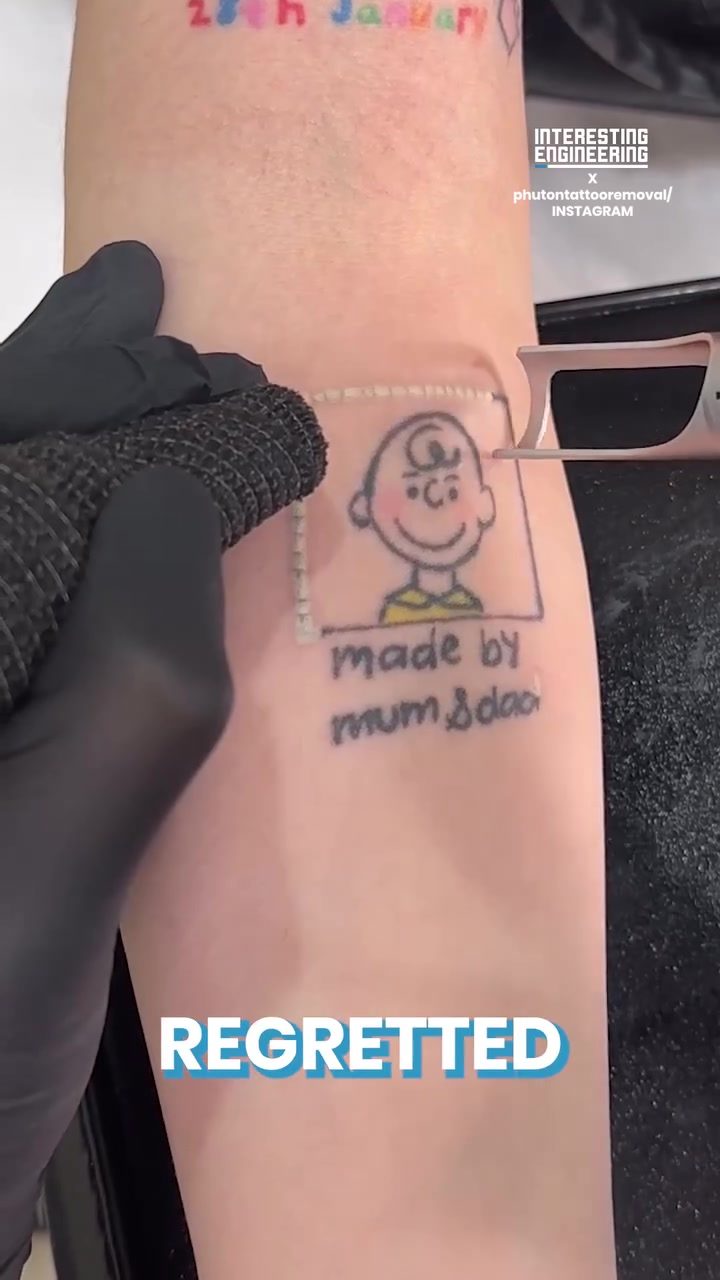
Tattoo Removal Procedure
Tattoo removal is a popular procedure for those looking to erase unwanted ink. The process involves using a specialized laser device to break down ink particles, allowing the body to gradually eliminate them. This procedure is becoming increasingly common as people seek to remove tattoos that no longer align with their personal style or life choices.
Why It Matters
Tattoo removal has gained significant attention due to its effectiveness and non-invasive nature. Unlike traditional methods that involved surgical excision or dermabrasion, laser tattoo removal is less painful and has a shorter recovery time. It's crucial to understand what the procedure entails, its benefits, and how it works for those considering this option.
How It Works
Understanding the Laser Tattoo Removal Process
The laser tattoo removal process uses a high-intensity light beam to target the pigment in the tattoo. The laser energy is absorbed by the ink particles, breaking them down into smaller fragments. These smaller particles are then naturally eliminated by the body's immune system over time. This gradual fading of the tattoo allows for a more natural and less noticeable removal process.
The Role of the Technician
A trained technician performs the procedure, using a specialized laser device. The technician's expertise is crucial in determining the appropriate settings for the laser, ensuring that the treatment is both effective and safe. The process involves multiple sessions, typically spaced several weeks apart, to allow the body to eliminate the broken-down ink particles effectively.
Types of Lasers Used
Different types of lasers are used for tattoo removal, each designed to target specific ink colors. The most common types include the Q-switched Nd:YAG laser, which is effective for dark inks like black and blue, and the Q-switched ruby laser, which works well on red inks. The choice of laser depends on the colors present in the tattoo and the skin type of the individual.
Practical Tips
Choosing the Right Clinic
When considering tattoo removal, it's essential to choose a reputable clinic with experienced technicians. Look for clinics that use the latest laser technology and have a proven track record of successful removals. Reviews and testimonials from past clients can provide valuable insights into the quality of service offered.
Preparing for the Procedure
Before the procedure, it's important to follow a few preparatory steps. Avoid sun exposure and tanning beds for at least four weeks before the treatment, as sunburned or tanned skin can increase the risk of complications. Ensure that the skin is clean and free of any creams or lotions on the day of the procedure. The technician will also provide specific instructions based on your individual needs.
Post-Procedure Care
Caring for the treated area after the procedure is crucial for optimal results. Follow the aftercare instructions provided by your technician, which may include applying a healing ointment and avoiding direct sunlight. It's also important to avoid picking or scratching the treated area, as this can cause scarring.
Managing Expectations
It's important to manage expectations regarding the results of the procedure. While laser tattoo removal is highly effective, complete removal may not be possible in a single session. The number of sessions required can vary depending on the size, color, and age of the tattoo. Be patient and consistent with follow-up sessions to achieve the best results.
Important Takeaways
Effectiveness and Safety
Laser tattoo removal is a safe and effective method for removing unwanted tattoos. The procedure is non-invasive and has a lower risk of infection compared to traditional methods. However, it's essential to consult with a professional before proceeding to ensure that you are a suitable candidate for the treatment.
Multiple Sessions and Patience
Understand that tattoo removal is a process that requires multiple sessions. Each session will gradually fade the tattoo, and it may take several weeks to months to see significant results. Patience and consistency are key to achieving the desired outcome.
Aftercare and Recovery
Proper aftercare is crucial for a successful recovery and optimal results. Follow the instructions provided by your technician, including applying healing ointments and avoiding sun exposure. This will help minimize the risk of complications and ensure that the treated area heals properly.
Conclusion
Laser tattoo removal is a popular and effective method for those looking to erase unwanted ink. The process involves using a specialized laser device to break down ink particles, allowing the body to gradually eliminate them. By choosing a reputable clinic, following preparatory and aftercare instructions, and managing expectations, individuals can achieve successful and satisfying results.
Watch the Reel
Questions readers ask
How does laser tattoo removal work?
Laser tattoo removal works by directing intense light energy onto the tattoo, which shatters the ink particles into smaller fragments. Your immune system then gradually eliminates these tiny fragments, leading to the gradual fading and eventual disappearance of the tattoo.
Is laser tattoo removal painful?
Pain levels vary from person to person, but most people describe the sensation as similar to a rubber band snapping against the skin. Topical anesthetics can be applied before the procedure to minimize discomfort. Some patients also report that the pain is less intense than getting the tattoo applied.
How many laser tattoo removal sessions are typically needed?
The number of sessions required depends on various factors, including the size, color, and age of the tattoo, as well as your skin type. On average, most people need between 6 to 10 sessions, spaced 4 to 8 weeks apart, for effective removal.
What should I expect during the laser tattoo removal recovery process?
After a laser tattoo removal session, the treated area may become red and swollen, similar to a mild sunburn. It is important to keep the area clean and moisturized. Avoid direct sunlight and refrain from using any creams or lotions that could irritate the skin.
Can laser tattoo removal be effective on dark skin?
Yes, laser tattoo removal can be effective on dark skin. However, it is crucial to choose a practitioner who is experienced in treating diverse skin tones. Specialized lasers, such as the Nd:YAG laser, are often used for darker skin types to minimize the risk of pigmentation changes.
Related deep dives
Similar reads based on topic and creator.


Recent articles
Fresh deep dives from the latest Reels we unpacked.




Comments
Be the first to comment.