Japanese Architecture and Luxury Estates
The intersection of Japanese architecture and luxury estate design is a fascinating blend of tradition and opulence. This is exemplified by the estate of Larry Ellison, a testament to the allure of Japanese architectural principles when applied to modern luxury living. Delving into the details of this estate reveals why this style is highly sought after.
Why This Matters
Japanese architecture and design principles are renowned for their simplicity, harmony, and connection to nature. These elements are increasingly sought after in luxury estate design, offering a serene and balanced environment. Larry Ellison's estate showcases how traditional Japanese architecture can be integrated into contemporary living, creating a harmonious blend of old and new.
Main Discussion
The Design Principles
Every aspect of a Japanese-style estate is meticulously designed to create a sense of tranquility and balance. Traditional Japanese architecture emphasizes natural elements, open spaces, and seamless integration with the surrounding landscape. This approach is evident in Larry Ellison’s estate, where the buildings are not just structures but extensions of the natural environment.
Traditional Elements
The estate incorporates traditional Japanese elements such as tatami mats, shoji screens, and tokonoma alcoves. These elements not only add to the aesthetic appeal but also serve functional purposes. Tatami mats, for instance, are not just flooring but also define the living space and provide a comfortable seating area. Shoji screens offer privacy and can be adjusted to control natural light, while tokonoma alcoves are used for displaying art and decorative items.
Landscaping
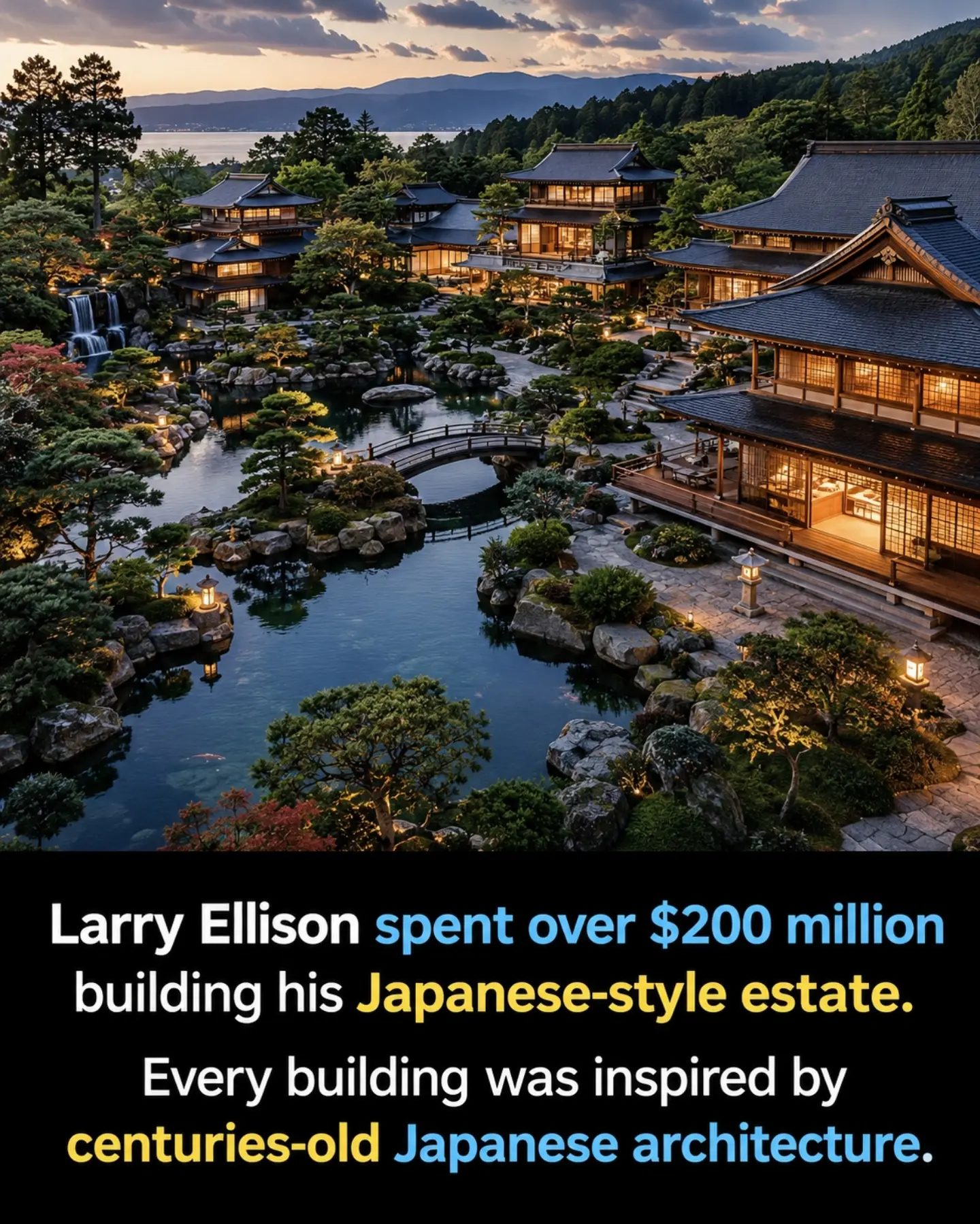
The meticulously landscaped gardens are a central feature of Japanese-style estates. These gardens are designed with a deep understanding of nature and often include elements like koi ponds, stone lanterns, and carefully placed rocks. The gardens at Larry Ellison’s estate feature a serene pond with waterfalls, providing a calming effect and creating a perfect setting for relaxation and contemplation.
The Luxury Aspect
Luxury estates like Larry Ellison’s showcase the pinnacle of opulence and sophistication. However, the luxury here is not just about the size or the cost. It’s about the attention to detail, the use of high-quality materials, and the seamless integration of advanced technology with traditional design.
The Investment
Larry Ellison spent over $200 million on his estate, highlighting the significant investment involved in creating such a masterpiece. This investment is not merely financial but also reflects a deep appreciation for the artistry and craftsmanship involved in Japanese architecture. Every building within the estate is inspired by centuries-old Japanese architectural designs, ensuring that the luxury is both opulent and authentic.
Practical Tips
Creating a Japanese-style luxury estate involves more than just replicating traditional elements. It requires a deep understanding of the philosophy behind Japanese architecture and a commitment to quality and detail.
Start with a Plan
Before embarking on such a project, it’s crucial to have a well-thought-out plan. This includes deciding on the size and layout of the estate, the choice of materials, and the integration of natural elements. Consulting with architects and designers who specialize in Japanese architecture can provide valuable insights and ensure that the final product is both authentic and luxurious.
Quality Materials
Using high-quality materials is essential for any luxury estate. Japanese architecture often uses natural materials like wood, bamboo, and stone. These materials not only add to the aesthetic appeal but also ensure durability and longevity. It’s important to source these materials from reputable suppliers and ensure that they are sustainably harvested.
Integrate Technology
Modern luxury estates are not just about aesthetics; they also incorporate advanced technology. This includes smart home systems, energy-efficient appliances, and automated lighting and security. Integrating these technologies into a Japanese-style estate can enhance the living experience while maintaining the authenticity of the design.
Important Takeaways
Creating a Japanese-style luxury estate is a complex and rewarding endeavor. The focus on traditional design principles, meticulous attention to detail, and the integration of natural elements make it a unique and coveted style. Whether you are a homeowner looking to build a dream estate or an architect seeking inspiration, the principles of Japanese architecture offer a timeless and elegant solution.
Conclusion
Luxury estates inspired by Japanese architecture combine the best of traditional design principles with modern opulence. Larry Ellison’s estate is a prime example of this harmonious blend, showcasing how centuries-old architectural wisdom can be adapted to create a serene and luxurious living environment. By understanding and applying the principles of Japanese architecture, you can achieve a similar level of elegance and tranquility in your own estate.
Watch the Reel
Questions readers ask
What makes Larry Ellison's estate a unique example of Japanese architecture?
Larry Ellison's estate is unique because it masterfully blends traditional Japanese architectural elements, such as tatami mats and shoji screens, with modern luxury. This integration creates a harmonious and serene living environment that seamlessly connects with nature through meticulous landscaping.
What are some key elements of Japanese architecture present in Larry Ellison's estate?
Key elements of Japanese architecture featured in Ellison's estate include tatami mats, which are traditional flooring made from woven straw, and shoji screens, which are translucent paper doors or room dividers. These elements are combined with opulent materials to create a modern Japanese-style home.
How does the landscaping in Ellison's Japanese garden contribute to the overall design?
The landscaping in Ellison's Japanese garden plays a crucial role in creating a tranquil and balanced space. It incorporates traditional Japanese landscaping techniques, such as the use of rocks, water features, and carefully selected plants, to enhance the connection with nature and reinforce the serenity of the estate.
What is the significance of using tatami mats in a luxury setting like Ellison's estate?
Using tatami mats in a luxury setting like Ellison's estate adds a touch of traditional Japanese culture and aesthetics. These mats are not only visually appealing but also provide a comfortable and natural flooring option, contributing to the overall harmony and balance of the living environment.
Why are Japanese architectural principles increasingly popular in luxury estate design?
Japanese architectural principles are increasingly popular in luxury estate design due to their emphasis on simplicity, harmony, and connection to nature. These principles offer a unique blend of modern opulence and traditional aesthetics, creating a serene and balanced living environment that is highly sought after by luxury homeowners.
How does Larry Ellison's mansion blend traditional and modern design elements?
Larry Ellison's mansion seamlessly blends traditional and modern design elements by incorporating traditional Japanese features such as shoji screens and tatami mats and complementing them with contemporary materials and luxurious finishes. This fusion creates a living space that offers both cultural richness and modern comfort.
What role do shoji screens play in the architecture of Ellison's Japanese-style home?
In Ellison's Japanese-style home, shoji screens serve both functional and aesthetic purposes. They act as room dividers, allowing for flexible and adaptable living spaces, while also providing a soft, natural light that enhances the tranquility and harmony of the environment.
Recent articles
Fresh deep dives from the latest Reels we unpacked.




Comments
Be the first to comment.