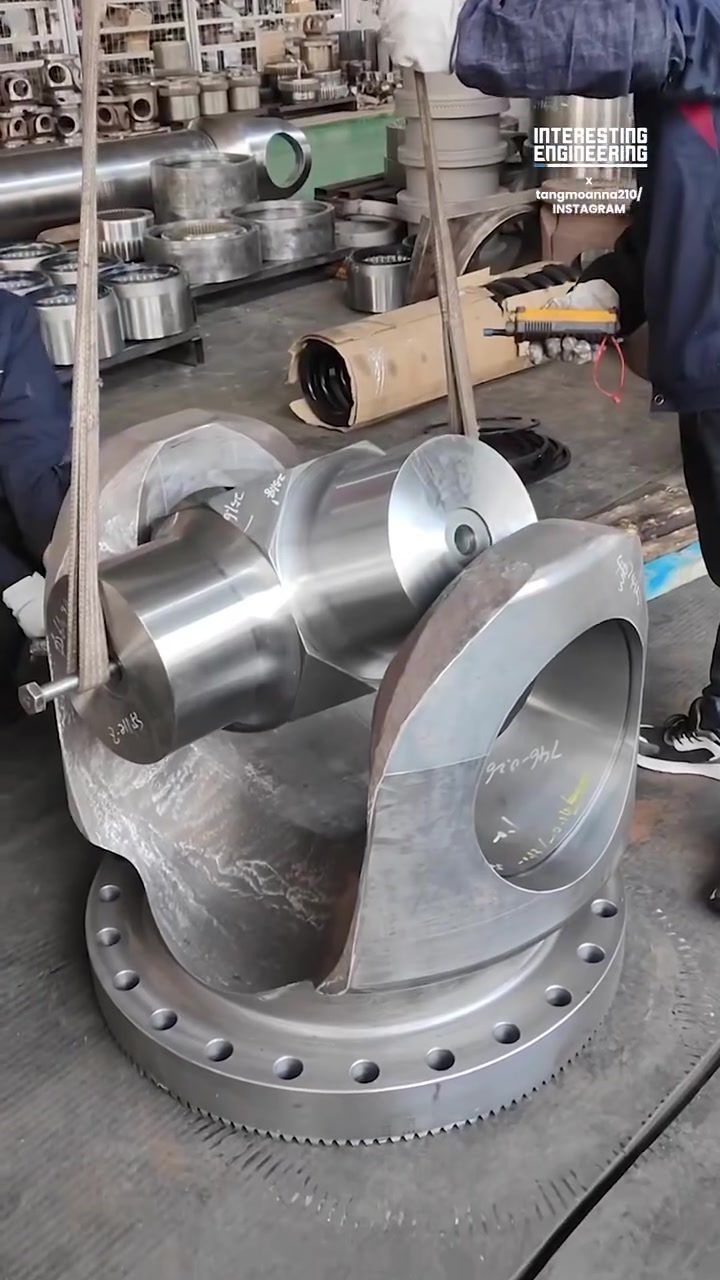
Gearbox Manufacturing
Gearboxes are essential components in various industrial applications. They are designed to transmit power and torque from a driving source to an output device, adjusting the speed and torque in the process. Their intricate construction and precise engineering play crucial roles in ensuring the efficient operation of machinery. Let's delve into the process and importance of gearbox manufacturing.
Context / Why this matters
Gearboxes are integral to a wide range of industries, including automotive, aerospace, marine, and manufacturing. They are used in everything from wind turbines and automobiles to industrial machinery and power generation equipment. The efficiency, reliability, and durability of these components are paramount for the smooth and safe operation of the systems they power. Properly manufactured gearboxes can significantly enhance the performance and lifespan of the machinery they are part of, making it essential to understand the intricacies of their production.
Main discussion
Precision Engineering in Gearbox Manufacturing
The manufacturing of a large gearbox involves intricate steps that require a high degree of precision. Each component, from gears to housings, must be meticulously crafted to ensure that the gearbox functions correctly under various loads and conditions.
Component Preparation
The process begins with the preparation of raw materials. High-quality steel and other alloys are often used to ensure durability and resistance to wear and tear. The raw materials are then machined to create the various components of the gearbox, including gears, shafts, and housings. This step involves precise cutting, drilling, and milling to achieve the exact dimensions and specifications required for the gearbox to function optimally.
Assembly and Inspection
Once the components are prepared, they are assembled with great care. Each gear must be aligned perfectly with the shaft, and the housing must be properly fitted to ensure smooth operation. The assembly process demands a high level of skill and attention to detail to avoid any misalignments or defects that could compromise the gearbox's performance. Workers use specialized tools to inspect each component, ensuring that every part meets the required standards for precision and quality.
Packaging and Shipping
After assembly and inspection, the gearboxes are carefully packaged to protect them during transportation. They are moved along conveyor belts, where mechanisms guide them into packaging positions, ensuring a steady sequence of operations. The conveyor system ensures that the gearboxes are handled gently and efficiently, reducing the risk of damage during the packaging and shipping process. The entire process is designed to maintain the integrity of each gearbox, ensuring it arrives at its destination in perfect condition.
Key Components of a Gearbox
A gearbox comprises several key components, each playing a crucial role in its operation.
Gears
Gears are the fundamental components of a gearbox. They transmit power and torque from the input shaft to the output shaft. Gears come in various types, including spur gears, helical gears, bevel gears, and worm gears. Each type is designed for specific applications and load conditions. The precision of gear machining is critical, as even minor defects can lead to significant issues in performance and efficiency.
Shafts
Shafts are the rotating components that transmit power from the motor to the gears. They must be strong and rigid to withstand the forces and torques involved in gearbox operation. Shafts are typically made from high-strength steel and are machined to exact specifications to ensure smooth rotation and minimal wear.
Housings
The housing of a gearbox serves as a protective enclosure for the internal components. It provides structural support and protects the gears and shafts from external contaminants and impacts. The housing must be precisely machined to fit the gears and shafts perfectly, ensuring that the internal components operate smoothly and efficiently.
Bearings
Bearings are essential for supporting the shafts and reducing friction during rotation. They come in various types, including ball bearings, roller bearings, and plain bearings. The choice of bearing depends on the load, speed, and operating conditions of the gearbox. Proper lubrication and maintenance of bearings are crucial for extending the lifespan of the gearbox.
Common Challenges in Gearbox Manufacturing
The manufacturing of gearboxes presents several challenges that must be carefully managed to ensure the production of high-quality components. These challenges include:
Ensuring Precision
Given the high precision required, any deviation from the specified dimensions can lead to performance issues. This necessitates the use of advanced machining techniques and precise measurement tools. Manufacturers must implement rigorous quality control processes to ensure that each component meets the required specifications.
Material Selection
Choosing the right materials is critical for the durability and performance of the gearbox. The materials must be resistant to wear, corrosion, and fatigue. Additionally, they must be able to withstand the high forces and torques involved in gearbox operation. Material selection often involves a trade-off between cost and performance, requiring careful consideration and testing.
Assembly Complexity
The assembly of a gearbox involves multiple components that must be precisely aligned and fitted. This complexity demands a high level of skill and expertise from the assembly workers. Any errors during assembly can lead to functional issues, making it essential to implement stringent quality control measures.
Practical tips
When dealing with gearboxes, several practical tips can help ensure their optimal performance and longevity:
Regular Maintenance
Regular maintenance is crucial for extending the lifespan of a gearbox. This includes periodic inspection of the internal components, lubrication of moving parts, and replacement of worn-out bearings. Regular maintenance helps prevent breakdowns and ensures the gearbox operates efficiently.
Proper Lubrication
Lubrication plays a vital role in reducing friction and wear in a gearbox. It is essential to use the correct type and amount of lubricant as recommended by the manufacturer. Regularly checking and replacing the lubricant can help maintain the gearbox's performance and extend its lifespan.
Monitoring for Vibrations
Excessive vibrations can indicate issues within the gearbox, such as misalignment or wear. Regularly monitoring for vibrations and addressing any anomalies promptly can prevent more significant problems from developing. Advanced monitoring systems can help detect early signs of wear and misalignment, allowing for timely interventions.
Proper Installation
Ensuring the gearbox is properly installed and aligned is crucial for its optimal performance. Misalignment can lead to excessive wear and tear, reducing the lifespan of the gearbox. Following the manufacturer's installation guidelines and using precision tools can help achieve the correct alignment.
Effective Storage
Proper storage of gearboxes, especially during off-seasons or before installation, is essential. Store gearboxes in a clean, dry environment away from direct sunlight and moisture. Ensure they are covered to protect against dust and contamination.
Important takeaways
- Precision and attention to detail are paramount in gearbox manufacturing.
- The assembly process involves meticulous inspection and handling of components.
- Proper lubrication, regular maintenance, and timely interventions are crucial for extending the lifespan of a gearbox.
- Ensuring the correct alignment and installation of gearboxes can prevent performance issues.
- Using advanced monitoring systems can help detect early signs of wear and misalignment, allowing for timely interventions.
Conclusion
Gearboxes are essential components in various industrial applications, and their manufacturing process is complex. Understanding the intricacies of gearbox manufacturing can help ensure the production of high-quality components that perform reliably and efficiently. Ensuring precision in every step of the manufacturing process, from component preparation to assembly and inspection, is crucial. Regular maintenance, proper lubrication, and monitoring for vibrations can extend the lifespan of a gearbox and prevent issues. By following these practices, you can ensure that gearboxes continue to operate efficiently and effectively, contributing to the overall performance and reliability of the machinery they power.
Watch the Reel
Questions readers ask
What are the key components of a large gearbox assembly?
Large gearbox assemblies typically include gears, shafts, bearings, housings, and seals. Each component is designed with precision to work together, ensuring efficient mechanical power transmission and durability. Gears, in particular, are crucial for adjusting speed and torque.
How does the manufacturing process ensure the reliability of large gearboxes?
The manufacturing process of large gearboxes involves rigorous precision engineering. This includes selecting high-quality raw materials, employing advanced machining techniques, and conducting thorough testing at every stage. These meticulous steps are essential for creating reliable and durable gearboxes.
What industries benefit most from large gearbox assemblies?
Large gearbox assemblies are vital across various sectors, including automotive, aerospace, marine, and manufacturing. They are used in applications like wind turbines, automobiles, and heavy industrial machinery, where efficient and reliable power transmission is crucial.
What is the importance of precision in gearbox manufacturing?
Precision in gearbox manufacturing is vital for ensuring optimal performance and longevity. Even slight deviations in component dimensions or alignment can lead to inefficiencies, excessive wear, and potential failures. Precision engineering helps maintain the correct tolerances and alignments necessary for smooth operation.
How can a custom gearbox assembly benefit industrial applications?
A custom gearbox assembly allows for tailored solutions that meet the specific requirements of unique industrial applications. By designing gearboxes to fit particular machinery, you can achieve improved efficiency, better performance, and enhanced durability, making them a valuable investment for specialized industrial needs.
What role do gearboxes play in mechanical power transmission?
Gearboxes are essential for transmitting power and torque from a driving source to an output device. They adjust the speed and torque as needed, ensuring that the machinery operates efficiently and effectively. This makes them indispensable in various industrial applications where precise control of mechanical power is required.
What are the benefits of watching a gearbox assembly video for industrial professionals?
A gearbox assembly video can provide industrial professionals with valuable insights into the intricate process of gearbox assembly. Watching these videos helps in understanding the assembly steps, identifying potential issues, and gaining knowledge about the precision required in large gearbox mechanisms and components.
Related deep dives
Similar reads based on topic and creator.

Recent articles
Fresh deep dives from the latest Reels we unpacked.




Comments
Be the first to comment.