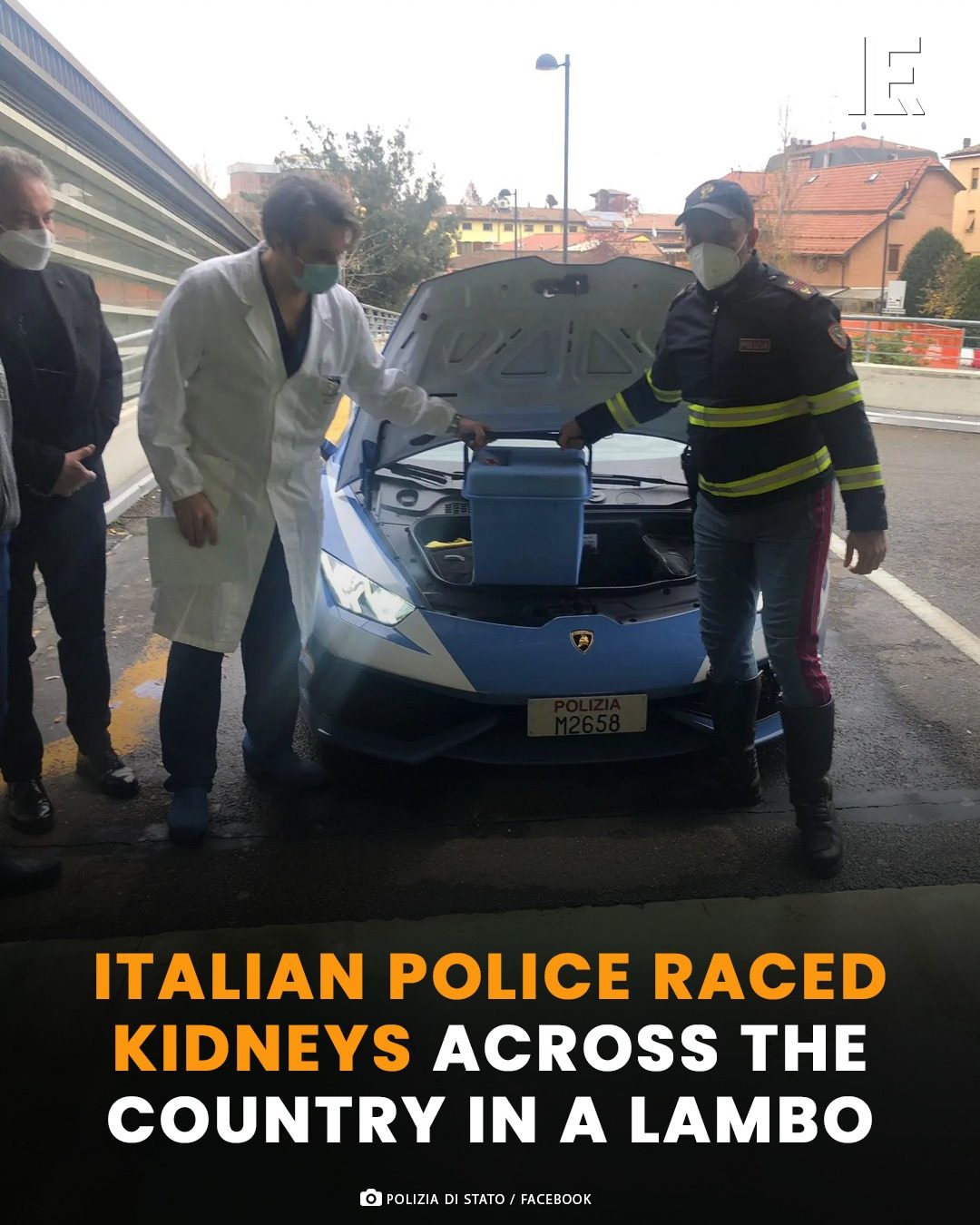
Lamborghini Used for Emergency Organ Transport
The Lamborghini Huracán, a high-performance sports car, was recently used for a crucial mission: rushing two donor kidneys across Italy to transplant patients. The vehicle, equipped with a refrigerated system and capable of top speeds, ensured that the organs reached their destinations just in time. This unusual use of a luxury sports car highlights the innovative ways technology and transportation can be utilized in emergency medical situations.
Why This Matters
The use of a Lamborghini for organ transport underscores several important aspects of modern medical logistics. First, it demonstrates the critical role of speed and precision in organ transplantation. Second, it shows how unconventional vehicles can be adapted for life-saving purposes. Lastly, it highlights the cooperation between law enforcement and medical professionals in ensuring the timely delivery of donor organs.
High-Performance Vehicles in Medical Emergencies
The Lamborghini Huracán: More Than Just a Sports Car
The Lamborghini Huracán is known for its speed and performance, making it an ideal candidate for this urgent mission. Its top speed of over 200 mph and advanced engineering make it capable of navigating various terrains and conditions swiftly. The car's refrigerated system, designed to keep the organs at the optimal temperature, was crucial in maintaining their viability during the long journey.
The Role of Speed in Organ Transplantation
Time is of the essence in organ transplantation. Every minute counts when it comes to preserving the viability of donor organs. The Lamborghini's high speed and the law enforcement escort ensured minimal travel time, significantly increasing the chances of a successful transplant. According to the Italian police, the journey covered hundreds of kilometers, and the car's performance was instrumental in reaching the destination promptly.
The Collaboration Between Law Enforcement and Medical Professionals
The Italian Police and Medical Teams
The collaboration between the Italian police and medical professionals showcases a well-coordinated effort to save lives. The police provided the necessary security and escort, ensuring a smooth and swift journey. Medical teams, equipped with the necessary tools, were ready to receive the organs and prepare them for transplantation. This collaborative effort highlights the importance of inter-agency cooperation in medical emergencies.
The Logistic Challenges
Transporting organs over long distances presents several logistical challenges. Ensuring the organs are kept at the right temperature and delivered without delays is critical. The Lamborghini's design, combined with the police's escort, helped overcome these challenges. The car's refrigerated system and the police's ability to navigate through traffic and other obstacles ensured a seamless journey.
Practical Tips for Emergency Organ Transport
Vehicle Selection
Choosing the right vehicle for organ transport is crucial. High-performance vehicles like the Lamborghini Huracán are ideal for their speed and advanced engineering. However, any vehicle with a reliable refrigerated system and capable of high speeds can be considered. Medical teams should assess the vehicle's capability to maintain a stable temperature and its speed before any transport.
Route Planning
Planning the route is essential to minimize travel time. Medical teams should work with law enforcement to map out the best routes, considering traffic conditions, road closures, and other potential obstacles. The goal is to reach the destination as quickly and efficiently as possible.
Communication and Coordination
Effective communication and coordination between medical teams, vehicle operators, and law enforcement are key. Clear instructions and updates about the condition of the organs, the vehicle's speed, and any potential delays should be shared in real-time. This ensures that the transport is smooth and any issues are addressed promptly.
Maintenance of Optimal Conditions
Maintaining the optimal temperature for the organs is crucial. Medical teams should ensure that the vehicle's refrigerated system is functioning correctly and that the organs are well-protected during transport. Regular checks and adjustments should be made to ensure the conditions remain stable.
Important Takeaways
Innovation in Medical Logistics
The use of a Lamborghini Huracán for organ transport demonstrates the potential for innovation in medical logistics. High-performance vehicles, with their speed and advanced engineering, can play a crucial role in saving lives during emergencies.
Collaboration and Coordination
Collaboration between law enforcement, medical professionals, and other relevant parties is essential for the success of such missions. Effective communication and coordination ensure that the transport is smooth and any issues are addressed promptly.
The Role of Technology
Technology, such as refrigerated systems and advanced engineering, is crucial in maintaining the viability of donor organs during transport. Medical teams should leverage the latest technology to enhance the success rates of organ transplants.
Preparation and Planning
Thorough preparation and planning are key to the success of organ transport. This includes selecting the right vehicle, planning the route, and ensuring effective communication and coordination. Medical teams should be well-prepared to handle any challenges that may arise during the transport.
Conclusion
The use of a Lamborghini Huracán by the Italian police to transport donor kidneys highlights the innovative ways technology and transportation can be utilized in medical emergencies. The car's speed, advanced engineering, and refrigerated system were crucial in ensuring the timely delivery of the organs. This mission showcases the potential for high-performance vehicles in medical logistics and the importance of collaboration and coordination between law enforcement and medical professionals. By leveraging the latest technology and planning effectively, medical teams can enhance the success rates of organ transplants and save more lives.
Watch the Reel
Questions readers ask
Why did the Italian police choose a Lamborghini Huracán for organ delivery?
The Italian police selected the Lamborghini Huracán for its exceptional speed and efficiency, which are crucial for quickly transporting organs to transplant recipients. The car's high-performance capabilities ensured that the donor kidneys reached their destinations in record time, maximizing the chances of successful transplants.
How was the Lamborghini Huracán equipped for organ transport?
The Lamborghini Huracán was outfitted with a specialized refrigerated system to maintain the optimal temperature for the donor organs during transit. This adaptation was essential for preserving the organs' viability until they reached the transplant patients.
What is the significance of using a high-performance vehicle for organ transport?
Using a high-performance vehicle like the Lamborghini Huracán for organ transport underscores the importance of speed and precision in medical logistics. The faster the organs can be delivered, the higher the likelihood of a successful transplant, as organ viability decreases over time.
How did the collaboration between Italian police and medical teams contribute to this mission?
The collaboration between Italian police and medical teams was pivotal in ensuring the successful delivery of the donor organs. The police provided the high-speed vehicle and logistics support, while the medical teams handled the preparation and monitoring of the organs, demonstrating a seamless integration of law enforcement and medical expertise.
What other types of vehicles can be used for emergency organ transport?
While high-performance sports cars like the Lamborghini Huracán offer unmatched speed, other vehicles can also be used for emergency organ transport. Helicopters and specialized medical transport vehicles are commonly employed for their ability to navigate traffic and terrain efficiently. The key is to prioritize speed and the ability to maintain optimal conditions for the organs.
Are there any risks involved in using such high-performance vehicle for organ delivery?
Using a high-performance vehicle for organ delivery can come with risks, such as the potential for accidents due to high speeds. However, the benefits of rapid organ transport often outweigh these risks. The Italian police ensured the safety of the mission by leveraging their expertise in high-speed driving and traffic management.
Related deep dives
Similar reads based on topic and creator.


Recent articles
Fresh deep dives from the latest Reels we unpacked.




Comments
Be the first to comment.