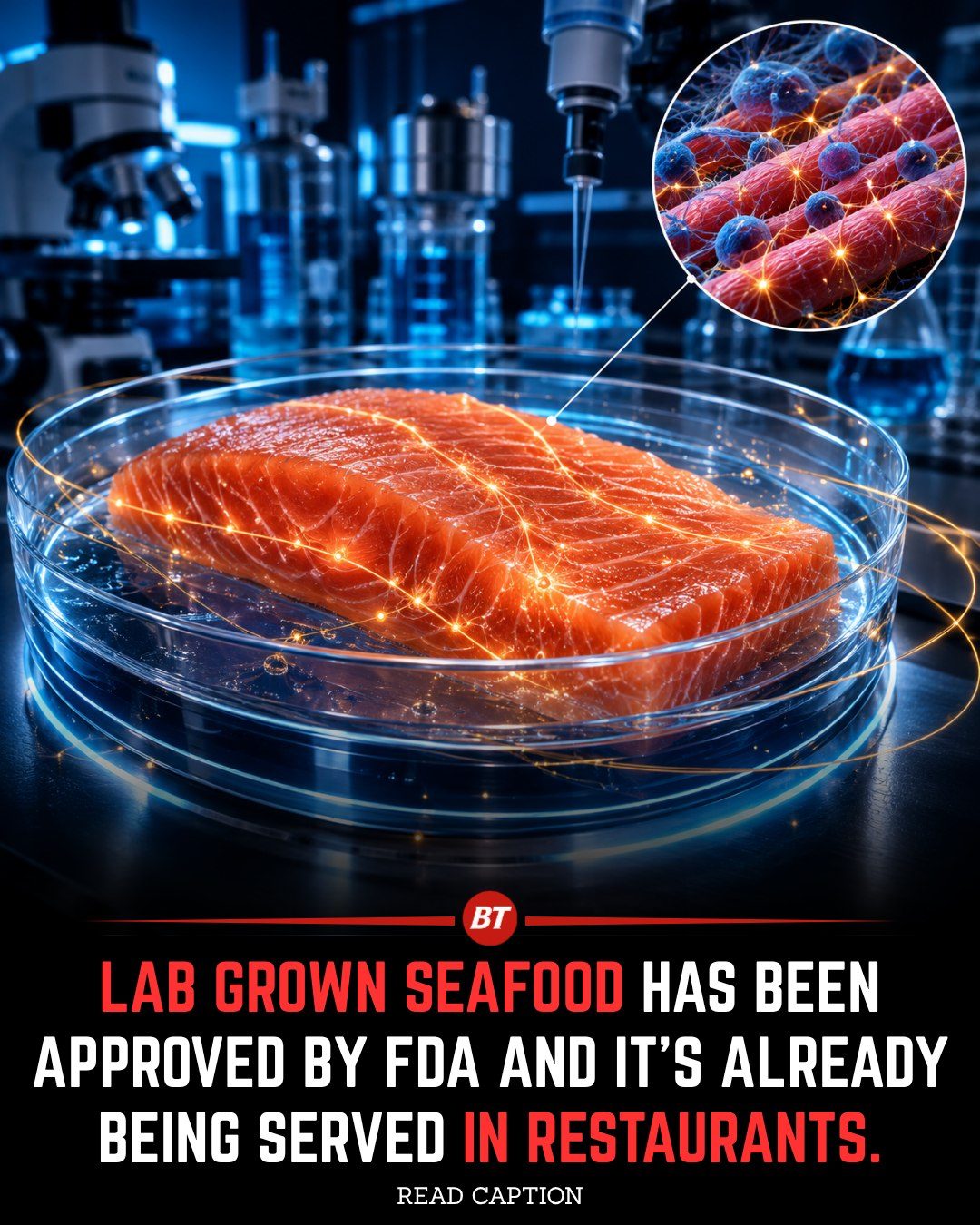
Lab-grown Salmon: A New Wave in Seafood
Lab-grown salmon, once a concept confined to the realms of science fiction, is now a reality. After receiving FDA safety clearance, this innovative food product is now being served in select U.S. restaurants. This development is sparking debates and raising intriguing questions about the future of seafood production and consumption.
Why This Matters
The advent of lab-grown salmon represents a significant shift in how we think about food production. With global seafood demand on the rise and wild fish populations under considerable pressure, alternative methods of producing seafood are becoming increasingly important. Lab-grown salmon offers a promising solution to these challenges, but it also invites a range of questions about taste, nutrition, and environmental impact.
Main Discussion
What is Lab-Grown Salmon?
Lab-grown salmon, also known as cultivated salmon, starts with a small sample of real salmon cells. These cells are cultivated in nutrient-rich tanks, where they grow and develop into edible fish tissue. Unlike traditional fish farming or wild-caught methods, this process does not involve raising live fish. Instead, it focuses on growing fish tissue in a controlled environment.
FDA Approval and Safety
The FDA has thoroughly reviewed the production process of lab-grown salmon and concluded that it poses no further safety concerns. This approval is a significant milestone, as it validates the safety and authenticity of lab-grown salmon as real fish, not a plant-based substitute. Regulators classify it as real salmon because it comes from genuine fish cells.
Production Process
The production of lab-grown salmon involves several key steps. First, a small sample of real salmon cells is obtained. These cells are then placed in a nutrient-rich environment, where they are nurtured and encouraged to grow. Over time, these cells develop into edible fish tissue, replicating the texture and flavor of traditional salmon.
Environmental and Ethical Considerations
Supporters of lab-grown salmon argue that it could significantly reduce the pressure on overfished oceans. By providing an alternative source of seafood, it could help mitigate the environmental impact of traditional fishing methods. Additionally, lab-grown salmon might offer a more sustainable way to meet the growing global demand for seafood.
Public Opinion and Debate
The introduction of lab-grown salmon has sparked a heated debate among consumers and experts alike. On one hand, many see it as a revolutionary solution to the challenges of seafood production. On the other, critics argue that it is an ultra-processed food made in a factory rather than in nature. Some consumers are skeptical about embracing a product with limited long-term human consumption data and question whether it can truly match the nutritional profile, environmental impact, and transparency of wild-caught fish. Researchers are actively studying these questions to provide more clarity.
Practical Tips
If you're curious about trying lab-grown salmon, here are some practical tips to consider:
Where to Find It
For now, lab-grown salmon is being served in select U.S. restaurants. If you're interested in trying it, keep an eye out for restaurants that specialize in innovative and sustainable dining experiences. As production expands, it may become more widely available in the future.
What to Expect
Lab-grown salmon is designed to look, taste, and test exactly like traditional salmon. If you're a fan of salmon, you might find that lab-grown salmon offers a similar culinary experience. Keep in mind that while it may taste like traditional salmon, its environmental impact and production process are quite different.
How to Ask Questions
If you have questions about lab-grown salmon, don't hesitate to ask your server or the restaurant staff. They can provide more information about the source of the salmon, the production process, and any potential differences from traditional salmon.
Important Takeaways
Lab-grown salmon represents a groundbreaking advancement in food technology. With FDA approval and its introduction into select restaurants, it's clear that this alternative to traditional seafood is here to stay. As research continues, we can expect to learn more about its nutritional value, environmental impact, and long-term viability. The debate around lab-grown salmon is just beginning, and it will be fascinating to see how consumers and experts respond to this new addition to the food landscape.
Conclusion
Lab-grown salmon is more than just a new food trend—it's a glimpse into the future of sustainable food production. As we continue to grapple with the challenges of overfishing and global demand, innovative solutions like lab-grown salmon offer hope for a more sustainable and responsible food system. Whether you're a food enthusiast, a sustainability advocate, or simply curious about the latest developments in food technology, lab-grown salmon is a topic worth exploring. Embrace the future of seafood and consider giving lab-grown salmon a try—as long as you can find it.
Watch the Reel
Questions readers ask
What is lab-grown salmon and how is it produced?
Lab-grown salmon, also known as cultured or cell-based salmon, is produced by cultivating real fish cells in controlled environments, such as tanks. The process involves taking a small sample of cells from a salmon and growing them in a nutrient-rich medium to develop into salmon meat, without the need for fishing or farming.
Why has the FDA approved lab-grown salmon?
The FDA has approved lab-grown salmon for safety, ensuring that it is safe for human consumption. The approval was based on a thorough review of the production process and the product's composition, confirming that it is comparable to conventionally produced salmon.
What are the benefits of lab-grown salmon?
Lab-grown salmon offers several potential benefits, including reduced environmental impact, decreased pressure on wild fish populations, and a more sustainable source of seafood to meet growing demand. Additionally, it provides a consistent and traceable product, with a reduced risk of contamination and fewer antibiotics.
Where can I find lab-grown salmon in the US?
Select U.S. restaurants have begun serving lab-grown salmon, following its FDA approval. To find a restaurant serving lab-grown salmon, check with local eateries or look for press releases and updates from companies specializing in cell-based fish.
How does lab-grown salmon compare to conventional salmon in taste and nutrition?
Lab-grown salmon is designed to mimic the taste and nutritional profile of conventional salmon. While the taste can vary depending on the production method, it is generally expected to be similar to traditionally farmed or wild-caught salmon. The nutritional content should be comparable as well.
How does lab-grown salmon help in addressing overfishing?
Lab-grown salmon can help alleviate pressure on wild fish populations by providing an alternative source of salmon, reducing the demand for wild-caught fish. This can lead to decreased fishing activities, allowing fish stocks to recover and promoting more sustainable seafood production practices.
Are there any concerns related to lab-grown salmon?
While lab-grown salmon offers numerous benefits, some concerns have been raised, including the potential cost of the product, consumer acceptance, and the need for further research into its long-term environmental and health impacts.
Related deep dives
Similar reads based on topic and creator.

Recent articles
Fresh deep dives from the latest Reels we unpacked.




Comments
Be the first to comment.