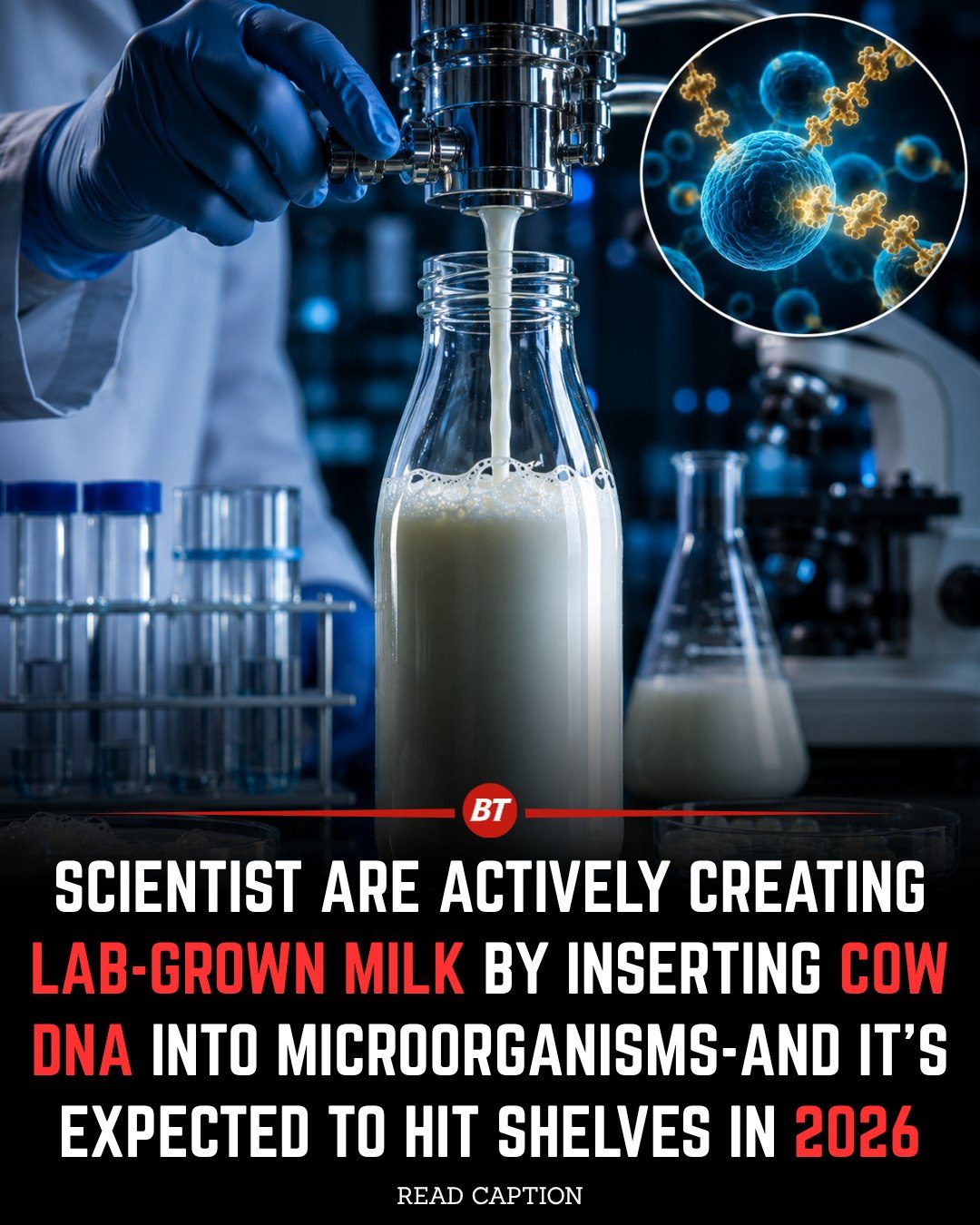
Lab-Grown Milk
Lab-grown milk is set to revolutionize the dairy industry by 2026. This innovative product, created by inserting cow DNA into microorganisms, promises to deliver real milk without the need for raising or milking cows.
Why This Matters
The advent of lab-grown milk offers significant benefits for both consumers and the environment. This revolutionary approach aims to recreate traditional milk at the molecular level, addressing concerns about sustainability and animal welfare. With the potential to reduce the environmental footprint of dairy farming, lab-grown milk could pave the way for a more eco-friendly future.
The Science Behind Lab-Grown Milk
Mammalian Cell Culture
Lab-grown milk utilizes mammalian cell culture to grow milk components inside controlled bioreactors. This process involves several key steps:
- DNA Insertion: Cow DNA is inserted into microorganisms, which are then cultured in a laboratory setting.
- Cell Growth: The microorganisms produce the necessary proteins, fats, and carbohydrates that make up milk.
- Extraction: The milk components are extracted and purified, resulting in a product that mimics traditional milk.
UnReal Milk by Brown Foods
Boston-based startup Brown Foods has unveiled UnReal Milk, a product designed to recreate the same major proteins, fats, and carbohydrates found in conventional cow's milk. The company asserts that their product is not just a dairy alternative. Unlike almond or oat milk, UnReal Milk aims to replicate real milk at the molecular level, with key dairy proteins confirmed by independent analysis at the Whitehead Institute for Biomedical Research, affiliated with MIT. This validation underscores the scientific rigor behind the product.
Environmental and Ethical Implications
Lab-grown milk has the potential to significantly reduce the environmental impact of dairy farming, which is currently one of the most resource-intensive industries. By requiring less land and water, this technology could help mitigate deforestation and water scarcity. Moreover, it eliminates the ethical concerns associated with animal farming, offering a more compassionate approach to milk production.
Reducing Environmental Footprint
Dairy farming is notorious for its high water and land usage. The production of lab-grown milk could drastically reduce these requirements. Since the process involves growing milk components in bioreactors, it bypasses the need for vast tracts of land and substantial water resources typically required for livestock. Additionally, the controlled environment of bioreactors can minimize greenhouse gas emissions, further promoting sustainability.
Ethical Considerations
The ethical implications of lab-grown milk are profound. Traditional dairy farming often involves practices that raise concerns about animal welfare. Lab-grown milk eliminates the need to raise or milk cows, addressing these ethical issues head-on. This shift could appeal to consumers who prioritize animal welfare and sustainability in their purchasing decisions.
Challenges and Considerations
While the potential of lab-grown milk is undeniable, there are several challenges and considerations that need to be addressed.
Regulatory Approval and Manufacturing Scalability
One of the primary hurdles is obtaining regulatory approval. Lab-grown milk is a novel product, and current food regulations may not fully address its unique characteristics. Companies like Brown Foods are navigating this complex regulatory landscape, aiming to secure the necessary approvals and scale up production by late 2026.
Production Costs
Another significant challenge is the cost of production. Growing milk components in bioreactors can be more expensive than traditional dairy farming. Companies need to find ways to make the process economically viable while maintaining the quality and affordability of the final product.
Consumer Acceptance
Consumer acceptance is another critical factor. While many people are open to innovative food technologies, others may be hesitant to adopt lab-grown milk. Overcoming this resistance will require effective communication about the benefits and safety of the product. Brown Foods and similar companies will need to build trust through transparency and education.
Long-Term Sustainability
Ensuring long-term sustainability involves not only reducing environmental impact but also addressing the economic and social dimensions. Companies must focus on creating a sustainable supply chain, from the sourcing of raw materials to the distribution of the final product.
Practical Tips for Consumers
As lab-grown milk becomes more available, consumers can take several steps to make informed decisions:
- Stay Informed: Keep up-to-date with the latest developments in lab-grown milk technology. Look for credible sources and independent analyses to understand the benefits and potential drawbacks.
- Evaluate Claims: When evaluating products, look for independent verifications and certifications that support the claims made by the manufacturers. For instance, check if the product has undergone rigorous scientific testing and validation.
- Support Innovation: If you are interested in supporting sustainable and ethical food practices, consider trying lab-grown milk and providing feedback to the manufacturers. Your input can help shape the future of this innovative product.
- Consider Environmental Impact: Reflect on the environmental benefits of lab-grown milk. By choosing this product, you can contribute to reducing the carbon footprint associated with traditional dairy farming.
Important Takeaways
Lab-grown milk represents a significant leap in food technology, offering a sustainable and ethical alternative to conventional dairy products. By recreating real milk at the molecular level, this innovative approach addresses concerns about environmental impact and animal welfare. However, there are challenges to overcome, including regulatory approval, production costs, and consumer acceptance. As the food industry continues to evolve, lab-grown milk is poised to play a crucial role in shaping a more sustainable future.
Conclusion
Lab-grown milk is more than just a futuristic concept—it is a tangible reality on the horizon. With companies like Brown Foods leading the charge, the dairy industry is on the brink of a transformative shift. As we move towards 2026, the potential for lab-grown milk to revolutionize the way we consume dairy products is immense. By embracing this innovation, we can work towards a more sustainable, ethical, and environmentally conscious future.
Watch the Reel
Questions readers ask
What is lab-grown milk and how is it made?
Lab-grown milk is a dairy alternative created by inserting cow DNA into microorganisms. This process allows for the production of real milk without the need for raising or milking cows, mimicking traditional milk at the molecular level.
Why is lab-grown milk considered an eco-friendly alternative?
Lab-grown milk reduces the environmental footprint associated with traditional dairy farming, such as greenhouse gas emissions and land use. By eliminating the need for cows, it offers a more sustainable milk production method.
What are the potential benefits of lab-grown milk for animal welfare?
Lab-grown milk provides an animal-friendly alternative to traditional dairy. Since it does not require the raising or milking of cows, it addresses concerns related to animal husbandry and welfare.
How does lab-grown milk aim to revolutionize the dairy industry by 2026?
Lab-grown milk is expected to transform the dairy industry by providing a sustainable and animal-free dairy alternative. Its goal is to recreate traditional milk at the molecular level, making it a viable option for consumers by 2026.
What role do microorganisms play in the production of lab-grown milk?
Microorganisms are used as hosts for cow DNA in the production of lab-grown milk. This process allows for the growth of dairy proteins and other milk components, enabling the creation of animal-free milk.
What are lab-grown dairy proteins and how are they produced?
Lab-grown dairy proteins are produced through a process known as mammalian cell culture. This process uses cow DNA to grow dairy proteins, which are key components of lab-grown milk, within controlled environments.
Related deep dives
Similar reads based on topic and creator.


Recent articles
Fresh deep dives from the latest Reels we unpacked.




Comments
Be the first to comment.