Lab-Grown Meat Approval: What Consumers Need to Know
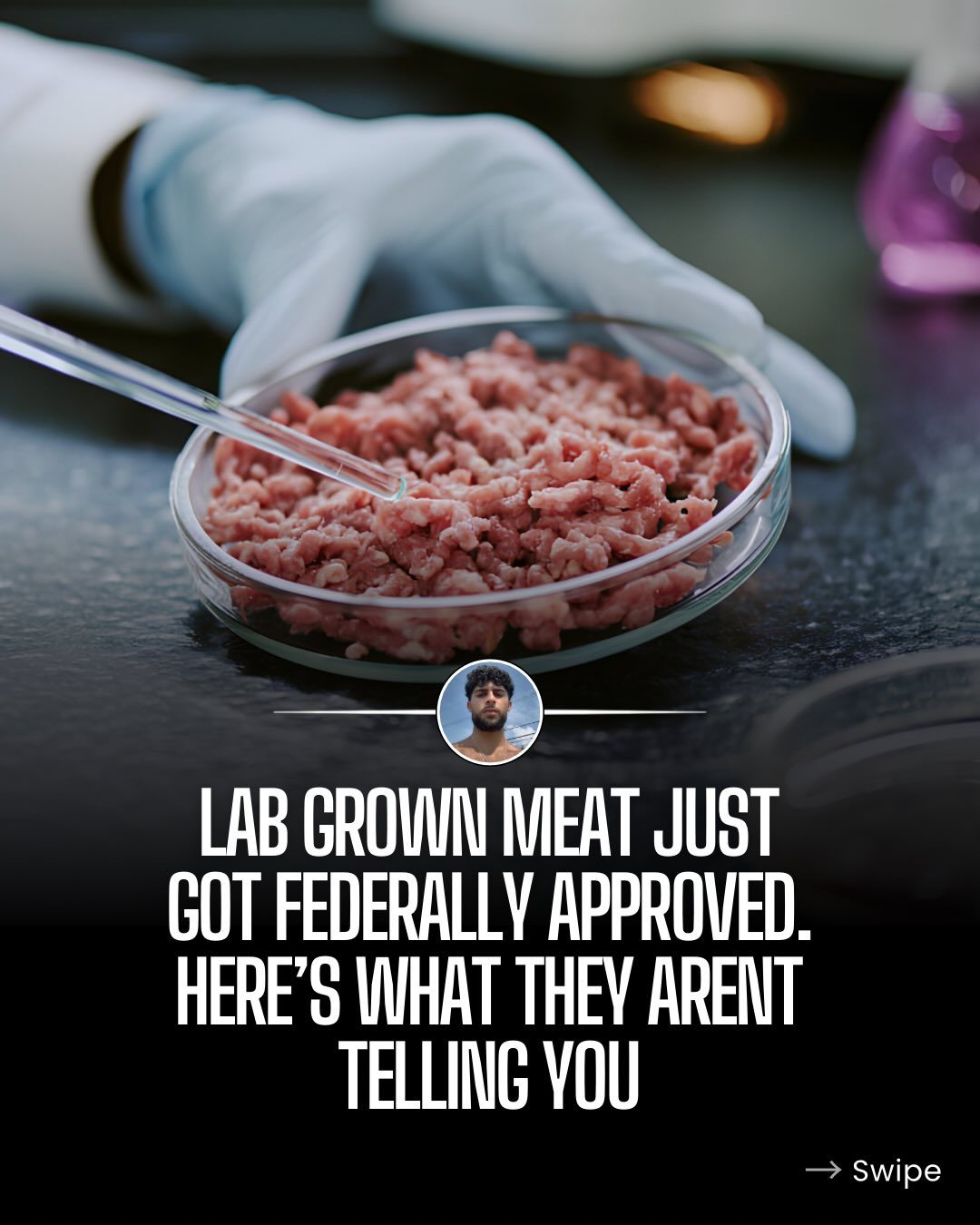
Lab-grown meat, also known as cultured or cultivated meat, has recently gained significant attention due to its federal approval. This innovative type of meat is produced by taking stem cells from a live animal and growing them in a controlled environment, specifically in large tanks called bioreactors.
Context / Why This Matters
The approval of lab-grown meat marks a pivotal moment in the food industry. It opens up new possibilities for sustainable and ethical meat production. Traditional meat production involves raising and slaughtering animals, which has significant environmental and ethical implications. Lab-grown meat offers a potential solution to these issues by reducing the need for animal farming. This can lead to lower greenhouse gas emissions, less land use, and fewer animal welfare concerns.
Main Discussion
The Science Behind Lab-Grown Meat
The process of creating lab-grown meat involves several key steps. First, a small sample of stem cells is taken from a live animal. These stem cells are then placed in a bioreactor, a large tank designed to provide the optimal conditions for cell growth. The cells are fed nutrients and growth factors, allowing them to multiply and develop into muscle tissue. Over time, this tissue can be harvested and processed into meat products.
The Approval Process
The federal approval of lab-grown meat is a significant milestone. It means that this type of meat can now be legally produced and sold, subject to the same regulations as traditional meat. This approval was likely based on extensive research and testing to ensure the safety and quality of the product. Consumers can rest assured that lab-grown meat meets the same standards as conventionally produced meat.
What Consumers May Not Know
While the approval of lab-grown meat is a step forward, there are some important points that consumers may not be aware of. For instance, the labels on lab-grown meat products may not always clearly indicate that the meat is lab-grown. Terms such as 'Cell Cultivated,' 'Cell Derived,' 'Cell Cultured,' 'Animal Derived,' 'Cultured Meat,' and 'Cultivated Meat' are often used to describe this type of meat. Consumers should be vigilant and look for these terms to ensure they are making an informed choice.
Practical Tips
When shopping for lab-grown meat, it's essential to be aware of the terminology used. Here are some practical tips to help you identify lab-grown meat:
-
Look for Specific Labels: Keep an eye out for terms like 'Cell Cultivated,' 'Cell Derived,' 'Cell Cultured,' 'Animal Derived,' 'Cultured Meat,' and 'Cultivated Meat'. These terms are commonly used to describe lab-grown meat.
-
Check the Packaging: Read the packaging carefully. Some products may not explicitly state that they are lab-grown but may include these terms in the ingredients list.
-
Ask Questions: If you're unsure, don't hesitate to ask the store or restaurant staff. They should be able to provide more information about the source of the meat.
-
Research Brands: Some brands may be more transparent about their use of lab-grown meat. Researching and supporting these brands can help ensure you are making an informed purchase.
Important Takeaways
The recent federal approval of lab-grown meat is a significant development in the food industry. It offers a more sustainable and ethical alternative to traditional meat production. However, consumers need to be aware of the terminology used to describe this type of meat and ensure they are making an informed choice. By understanding the process behind lab-grown meat and knowing what to look for, consumers can play a role in supporting this innovative and environmentally friendly method of meat production.
Conclusion
Lab-grown meat represents a promising future for meat consumption. Its approval paves the way for more sustainable and ethical practices in the food industry. As consumers, it's important to stay informed and vigilant, ensuring that we are making choices that align with our values and support a healthier, more sustainable world. Whether you're a meat lover or looking for more eco-friendly options, lab-grown meat is worth considering.
Watch the Reel
Questions readers ask
What exactly is lab-grown meat and how is it produced?
Lab-grown meat, also referred to as cultured or cultivated meat, is created by taking stem cells from a live animal and cultivating them in a bioreactor. This process involves providing the cells with necessary nutrients to grow and form muscle tissue, which is then harvested and processed into meat.
What are the key benefits of lab-grown meat compared to traditional farming?
Lab-grown meat offers several benefits. It reduces the environmental impact associated with traditional animal farming, such as greenhouse gas emissions and land use. Additionally, it addresses animal welfare concerns by eliminating the need for animal slaughter. It also provides more control over the production process, potentially leading to safer and more consistent products.
What does the recent federal approval of lab-grown meat mean for consumers?
Federal approval of lab-grown meat means that it can now be legally sold as a food product. It also signifies that the regulatory bodies have evaluated the product and deemed it safe for consumption. This approval is a significant milestone for the industry, and it opens the door for more research and development.
How does the taste and texture of lab-grown meat compare to traditional meat?
The taste and texture of lab-grown meat are designed to mimic those of traditional meat. However, the final product can vary based on the specific cultivation process and the type of meat being produced. While some lab-grown meat products may closely resemble traditional meat, others may have slight differences.
What are the potential hidden factors consumers should consider when evaluating lab-grown meat?
Consumers should consider the potential for variations in nutritional content, the use of antibiotics or other additives in the cultivation process, and the energy requirements for producing lab-grown meat. Additionally, the long-term effects of consuming lab-grown meat on human health are still being studied. It is important to stay informed about these factors and to weigh the benefits and drawbacks of lab-grown meat.
How does the cultivation process differ for various types of meat, such as beef, poultry, or fish?
The cultivation process for different types of meat involves using stem cells specific to the animal species, such as cattle for beef, chickens for poultry, or fish for seafood. The nutrients and growth conditions in the bioreactor are adjusted to suit the specific cellular requirements of each type of meat. However, the basic principles of cell cultivation remain the same.
Related deep dives
Similar reads based on topic and creator.


Recent articles
Fresh deep dives from the latest Reels we unpacked.




Comments
Be the first to comment.