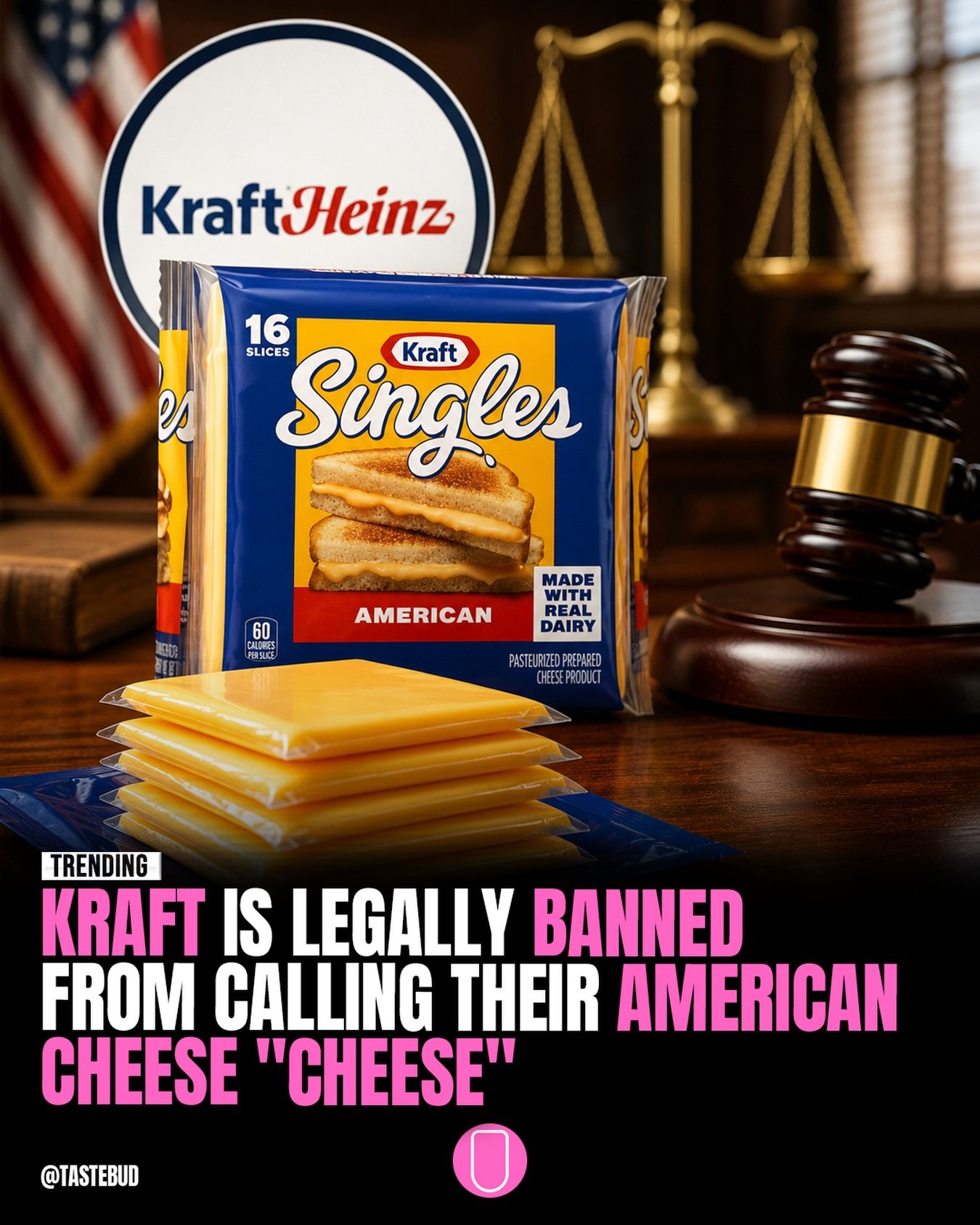
Kraft Singles and the Labeling of Cheese
Kraft Singles, a staple in many refrigerators, are often perceived as a convenient and tasty option for sandwiches and snacks. However, the product label tells a different story. Kraft Singles may resemble cheese, but legally, they can't be called cheese. FDA standards mandate that a product must contain more than 51% real cheese to be labeled as such. Kraft Singles fall short of this threshold, which is why they are classified as a "pasteurized prepared cheese product" instead. This labeling nuance often goes unnoticed by consumers until they scrutinize the label more closely.
Why This Matters
Understanding the distinction between cheese and cheese products is essential for making informed dietary choices. The FDA's standards for cheese labeling ensure that products labeled as cheese meet specific criteria for dairy content. Kraft Singles, while made with real dairy, do not meet the 51% threshold, making them legally classified as something less than "cheese."
The Composition and Regulation of Processed Cheese Slices
The FDA Standards for Cheese
The FDA has established clear guidelines for labeling dairy products. For a product to be called "cheese," it must contain at least 51% real cheese. This means that the product primarily consists of milk, rennet, and other cheese ingredients. Any product that falls below this threshold is typically labeled as a "pasteurized prepared cheese product" or a similar designation. This distinction ensures that consumers know what they are buying and helps maintain standards in the dairy industry.
What Exactly Are Kraft Singles?
Kraft Singles are a type of processed cheese slice, designed for convenience and longer shelf life. The product contains a mix of cheese, dairy ingredients, emulsifiers, and other additives. These ingredients work together to create a product with a consistent texture and flavor that remains stable over a longer period. Emulsifiers are particularly important in processed cheese products, as they help maintain the smooth, meltable texture that many consumers enjoy.
Common Ingredients in Processed Cheese
In addition to real dairy, processed cheese like Kraft Singles often include:
- Emulsifiers: These help bind the ingredients together and create a smooth, uniform texture.
- Salt and Flavorings: These enhance the overall taste and sometimes contribute to preservation.
- Coloring Agents: These can help maintain a consistent color, even though the product is not aged.
The Legal and Regulatory Context
Legally, Kraft cannot label their American cheese slices as "cheese." This requirement is in place to protect consumers and ensure transparency in labeling. The FDA's regulations play a crucial role in setting these guidelines, ensuring that products are accurately described and that consumers can make informed choices based on accurate labeling. You may not have known this, but the rules are strict and important to uphold.
This classification is significant for those who are conscious of their dietary intake. For example, those who follow a low-sodium diet or watch their calorie intake might make different choices based on the specific ingredients and nutritional profile of processed cheese products.
Practical Tips for Navigating Cheese Labels
Understanding the nuances of cheese labeling can help you make more informed choices. Here are some practical tips to keep in mind:
- Read the Label: Always check the ingredients and nutritional information on the packaging. This will give you a clear picture of what you are consuming.
- Look for the 51% Rule: If a product claims to be "cheese," ensure it contains more than 51% real cheese. If not, it may fall under a different category like "pasteurized prepared cheese product."
- Check for Additives: Be mindful of the presence of emulsifiers, preservatives, and other additives. These can affect the nutritional value and overall health impact of the product.
- Choose Varieties with Higher Dairy Content: Opt for products that have a higher percentage of real cheese if you are looking to maximize the dairy content in your meals.
Important Takeaways
The labeling of Kraft Singles as a "pasteurized prepared cheese product" rather than "cheese" highlights the regulatory framework governing dairy products. This distinction ensures that consumers are aware of the actual composition of the products they purchase. By understanding these guidelines, consumers can make more informed decisions about their food choices.
Conclusion
Kraft Singles, while a convenient and popular choice, are not legally classified as cheese. The FDA's labeling standards play a crucial role in ensuring transparency and accuracy in dairy product labeling. By understanding the composition and regulatory context of processed cheese products, consumers can make more informed decisions about their dietary choices. Always take the time to read the label and consider the actual content of the product you are consuming.
Watch the Reel
Questions readers ask
What exactly are Kraft Singles made of if they aren't real cheese?
Kraft Singles are made from a blend of milk, milkfat, and milk proteins. They also contain emulsifiers, preservatives, and other ingredients that help achieve their smooth texture and long shelf life. Due to their formulation, they do not meet the FDA's requirement of containing more than 51% real cheese.
How do Kraft Singles differ from real cheese?
Real cheese is made from cultured milk that is coagulated, separated, and aged, resulting in a product with a unique flavor and texture. Kraft Singles are processed products made from a blend of dairy ingredients and additives, which gives them a consistent appearance, texture, and flavor.
Why does the FDA have specific standards for labeling cheese?
The FDA has specific standards to ensure transparency in food labeling. By requiring that a product contain more than 51% real cheese to be labeled as such, the FDA helps consumers make informed choices about the dairy products they purchase and consume.
Are there any health implications related to the differences between Kraft Singles and real cheese?
Kraft Singles often contain more sodium, and fewer proteins, and lack the beneficial microorganisms found in real cheeses. They also frequently contain a variety of additives and preservatives that can impact health and digestion. By contrast, real cheese offers a more natural set of ingredients, promoting better health.
Can Kraft Singles be used as a substitute for real cheese in recipes?
While Kraft Singles can be used as a substitute for real cheese in some recipes, their flavor and melting properties may not be as robust, which can affect the final dish. Generally, they have a milder taste and a more uniform texture, so they can be a viable option when a mild cheese flavor is desired.
What should consumers look for when trying to avoid processed cheese products?
Consumers should look for products labeled as 'cheese' or 'real cheese' on the packaging. Additionally, checking the ingredient list for a shorter list of natural ingredients and the absence of additives and preservatives can help identify more authentic cheese products.
How do Kraft Singles compare to other cheese products like American cheese singles?
Kraft Singles and American cheese singles are essentially the same thing; they are both pasteurized prepared cheese products that fall under the same FDA labeling requirements. Both products are formulated to taste and melt similarly. They are designed to be convenient and consistent, but they do not meet the criteria for being labeled as real cheese.
Related deep dives
Similar reads based on topic and creator.


Recent articles
Fresh deep dives from the latest Reels we unpacked.




Comments
Be the first to comment.