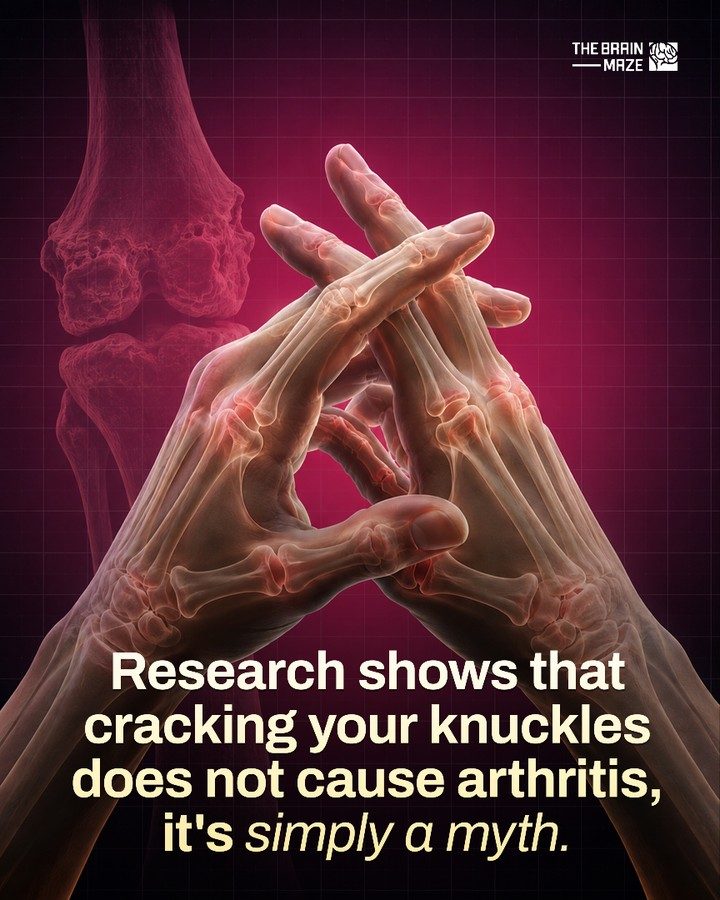
Knuckle Cracking and Arthritis: Debunking the Myth
Knuckle cracking is a common habit that many people engage in, often without giving much thought to the potential consequences. A widespread belief is that cracking knuckles leads to arthritis. However, current scientific research suggests otherwise.
Context / Why This Matters
The misconception that knuckle cracking causes arthritis has been a longstanding concern for many. This myth has led people to avoid the habit out of fear of joint damage. Understanding the truth behind this belief can help alleviate unnecessary worries and provide a clearer picture of joint health.
Main Discussion
The Science Behind Knuckle Cracking
The popping sound that occurs when knuckles are cracked is not caused by bones rubbing together. Instead, it is believed to result from gas bubbles forming or collapsing in the synovial fluid, which lubricates the joints. This fluid, composed of water, proteins, and other substances, is essential for smooth joint movement. When knuckles are cracked, the sudden change in pressure causes the gas dissolved in the synovial fluid to form small bubbles, which then collapse, producing the characteristic popping sound.
Arthritis and Knuckle Cracking
Despite the persistent myth, scientific evidence indicates that knuckle cracking does not cause arthritis. Studies have shown that the habit is unlikely to damage healthy joints. Arthritis, a condition characterized by the inflammation and stiffness of joints, has multiple causes, including genetic predisposition, injury, and autoimmune disorders. Knuckle cracking, however, is not one of them. This is supported by research from organizations like Arthritis UK, which provides reliable information on joint health and debunks common misconceptions.
The Impact on Joint Health
While knuckle cracking may not cause arthritis, frequent cracking has been linked to other potential issues. Some studies suggest that habitual knuckle cracking could lead to weaker grip strength. This is possibly due to the mechanical stress placed on the tendons and ligaments surrounding the joints. However, it is important to note that these studies do not indicate that knuckle cracking directly damages the joints themselves.
Practical Tips
If you are concerned about the potential effects of knuckle cracking on your joint health, consider the following tips:
-
Pay Attention to Pain: While knuckle cracking may not cause arthritis, it is essential to pay attention to any pain or discomfort in your joints. If you experience persistent pain, it is advisable to consult a healthcare professional.
-
Maintain Joint Health: Engage in regular exercise and maintain a balanced diet to support overall joint health. Strengthening the muscles around your joints can help provide better support and reduce the risk of injury.
-
Mindful Habits: If you find yourself cracking your knuckles frequently, try to become more aware of the habit and consider alternative ways to relieve tension, such as stretching or deep breathing exercises.
Important Takeaways
- Knuckle cracking does not cause arthritis. The popping sound is due to gas bubbles forming or collapsing in the synovial fluid.
- Current scientific research suggests that knuckle cracking is unlikely to damage healthy joints.
- While some studies link frequent knuckle cracking to weaker grip strength, the evidence does not support the idea that it leads to joint damage.
- Paying attention to joint pain, maintaining overall joint health, and being mindful of habits can help alleviate concerns about knuckle cracking.
Conclusion
Knuckle cracking is a common habit that has long been surrounded by misconceptions. The belief that it causes arthritis has been debunked by scientific research, which shows that the habit is unlikely to damage healthy joints. While frequent knuckle cracking may be linked to weaker grip strength, it is not a significant cause for concern. Understanding the science behind knuckle cracking can help alleviate worries and promote better joint health.
Watch the Reel
Questions readers ask
What causes the popping sound when knuckles are cracked?
The popping sound is caused by gas bubbles forming and then collapsing in the synovial fluid that lubricates the joints. This phenomenon is known as cavitation and is not associated with any harm to the joint structures.
Can knuckle cracking lead to long-term joint damage?
No. Current research indicates that knuckle cracking does not cause long-term joint damage or arthritis. A study published in the Journal of the American Board of Family Medicine found no significant association between knuckle cracking and joint health problems.
Is there any benefit to knuckle cracking?
While knuckle cracking does not cause harm, there are also no proven benefits. It may provide temporary relief from stress or tension, but it does not improve joint health or mobility.
Can knuckle cracking cause other health issues?
Knuckle cracking is generally not linked to any severe health issues, but frequent or forceful cracking can potentially lead to temporary swelling or discomfort. If you experience pain or reduced mobility, it's wise to consult a healthcare professional.
Why do some people find knuckle cracking habitual?
Knuckle cracking can become a habit due to its association with stress relief or as a response to boredom. While it is not physically harmful, it can be socially annoying to others, so those who regularly crack their knuckles may want to consider alternatives for stress relief.
How can I stop knuckle cracking if I want to?
If you want to stop knuckle cracking, try identifying triggers such as stress or boredom. Find alternative activities like fidget spinners, stress balls, or simply keeping your hands occupied with tasks. With practice, you can break the habit over time.
Are there any circumstances where knuckle cracking could be a concern?
While rare, if you have a pre-existing joint condition or experience pain while cracking your knuckles, it is advisable to consult a healthcare provider. They can assess your joint health and provide guidance tailored to your specific situation.
Related deep dives
Similar reads based on topic and creator.

Recent articles
Fresh deep dives from the latest Reels we unpacked.




Comments
Be the first to comment.