Cervical Mucus and Discharge: What's Normal and What's Not
Understanding changes in cervical mucus and vaginal discharge is crucial for every woman to comprehend their health and menstrual cycle. Vaginal discharge is a natural process that varies throughout the menstrual cycle, and recognizing what's normal for your body can provide valuable insights into your overall health.
Context: Why this matters
A woman's body goes through numerous changes throughout her menstrual cycle, and vaginal discharge is one of the most noticeable and important indicators of these changes. By understanding the different types of discharge and what they signify, women can better track their menstrual cycles, identify potential issues, and support their overall well-being.
Main discussion
Types of Vaginal Discharge
Vaginal discharge can vary in texture, color, and consistency throughout the menstrual cycle. Here are the common types of discharge and what they typically indicate:
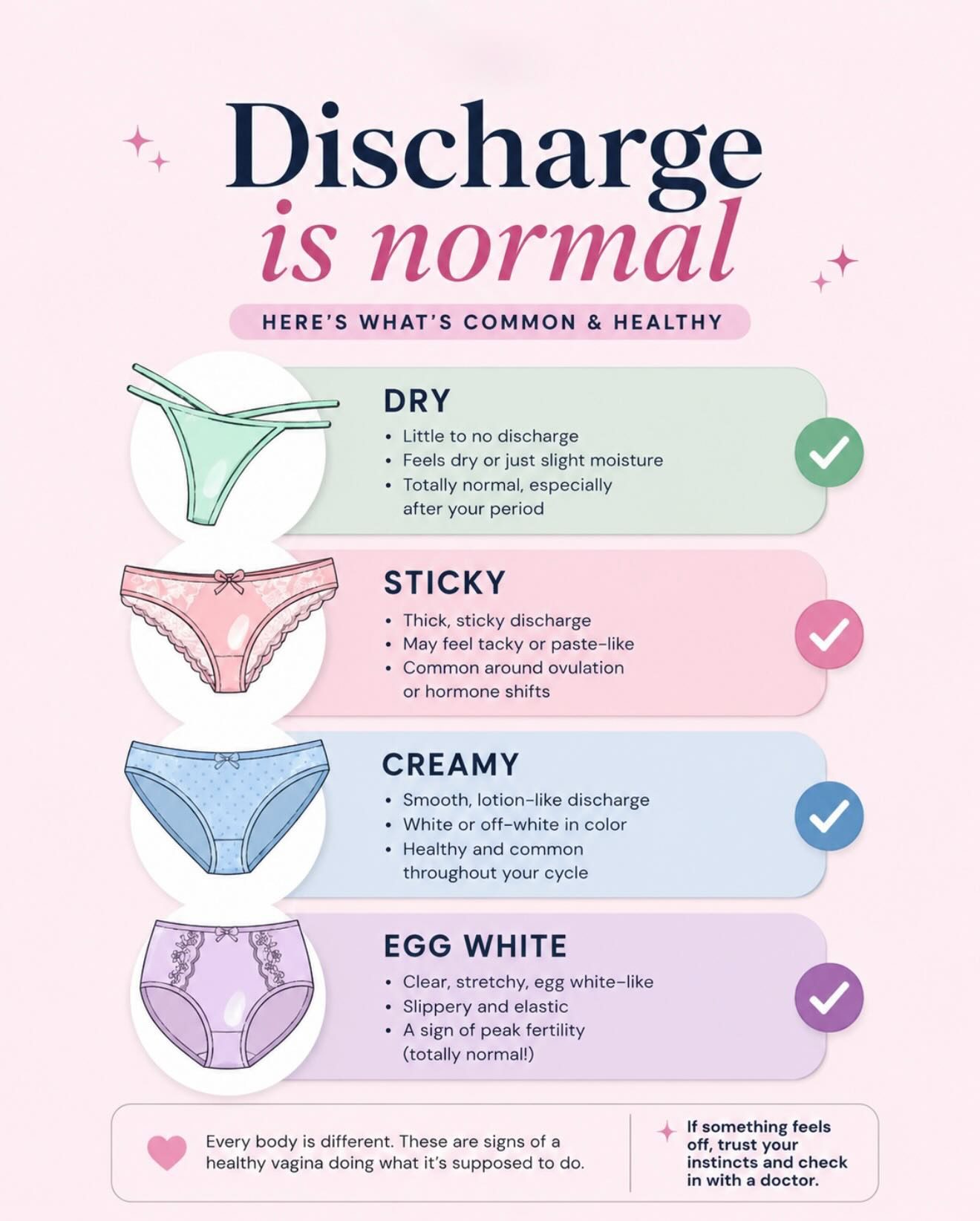
Dry Phase
During the dry phase, there is little to no discharge, and the vaginal area may feel dry or slightly moist. This is completely normal, especially right after your period. The body is preparing for the next phase of the menstrual cycle, and hormonal levels are at their lowest.
Sticky Phase
Sticky discharge is thick, sticky, or paste-like and may feel tacky. This type of discharge is common around ovulation or during hormonal shifts. It helps to protect the vagina from infections and prepare the body for potential fertilization.
Creamy Phase
Creamy discharge is smooth and lotion-like, typically white or off-white in color. This type of discharge is common throughout the menstrual cycle and helps to maintain the natural balance of the vagina. It also plays a role in keeping the vagina clean and healthy.
Egg White Phase
The egg white phase is characterized by clear, stretchy, and elastic discharge that resembles raw egg whites. This type of discharge is most common during ovulation and signals that the body is ready for fertilization. It helps sperm move more easily through the cervical canal.
Color of Discharge
The color of vaginal discharge can also provide important clues about your health. While clear, milky white, or slightly off-white discharge is generally considered normal, other colors may indicate potential issues:
- Clear Discharge: Clear discharge is typically healthy and can indicate pregnancy, sexual arousal, or the start of your period.
- White Discharge: While milky white discharge is normal, if it becomes chunky, it could indicate a yeast infection.
- Gray or Green Discharge: Gray discharge can be a sign of Bacterial Vaginosis (BV), while green discharge may indicate an STI.
- Yellow Discharge: Bright yellow discharge can be a sign of an infection or the end of your period.
Practical tips
Tracking Your Cycle
Tracking your menstrual cycle can help you understand your body better, support your fertility goals, and stay on top of your health. Here are some tips for effective cycle tracking:
- Monitor Changes: Pay attention to changes in your discharge, including texture, color, and amount.
- Use a Tracking App: Utilize an app like 'Workit' to log your discharge, track your cycle, and monitor other health metrics. The 'Workit' app offers features like workout tracking, nutrition tools, progress monitoring, weight tracking, hydration reminders, and activity tracking, all in one place.
- Consult a Professional: If you notice any sudden changes that don't feel normal, or if you experience symptoms like strong odor, itching, burning, or unusual pain, consult a healthcare professional.
Maintaining Vaginal Health
Maintaining good vaginal health is essential for overall well-being. Here are some tips to keep your vaginal environment healthy:
- Practice Good Hygiene: Clean the external area of your vagina gently with warm water and a mild soap. Avoid using harsh soaps, douches, or scented products that can disrupt the natural balance.
- Wear Breathable Fabrics: Opt for cotton underwear and breathable fabrics to allow air circulation and prevent moisture buildup.
- Stay Hydrated: Drink plenty of water to keep your body hydrated and support overall health.
Important takeaways
- Knowing Your Normal: Understanding what's normal for your body is crucial for identifying potential issues.
- Consult a Professional: If you experience any unusual symptoms or changes in your discharge, consult a healthcare professional.
- Track Your Cycle: Use a tracking app like 'Workit' to monitor your cycle, support your fertility goals, and stay on top of your health.
Conclusion
Vaginal discharge and cervical mucus changes are natural processes that vary throughout the menstrual cycle. By understanding the different types of discharge and what they indicate, women can better track their cycles, support their fertility goals, and maintain overall health. Trust your instincts, keep track of your cycle, and consult a healthcare professional if anything feels off. Your body is constantly communicating with you, and understanding these signals can provide valuable insights into your well-being.
Watch the Reel
Questions readers ask
What are the different types of vaginal discharge and what do they indicate?
Vaginal discharge can vary greatly depending on your menstrual cycle. During ovulation, you may notice clear, stretchy, and wet cervical mucus. This is your body's way of preparing for conception. In contrast, sticky, creamy or dry discharge may occur at other times during your cycle. Additionally, discharge may change color such as yellowish or greenish. This can sometimes indicate an infection or other health issue, so it's important to pay attention to any changes and consult a healthcare provider if you have concerns.
How does cervical mucus change throughout the menstrual cycle?
Cervical mucus undergoes significant transformations throughout the menstrual cycle. After menstruation, it is typically dry or sticky. As you approach ovulation, it becomes increasingly wet, clear, and stretchy. After ovulation, it returns to a sticky or creamy consistency. These changes are driven by hormonal fluctuations and can help you predict your most fertile days.
What is considered normal cervical mucus?
Normal cervical mucus varies throughout the menstrual cycle. It can range from dry and sticky to wet, clear, and stretchy. The consistency, color, and volume of your cervical mucus should not cause discomfort or itching. If you notice a sudden change in color, such as yellow, green, or grey, or an unusual odor, it may indicate an infection or other health issue. If you suspect any abnormalities, consult a healthcare provider.
Can changes in cervical mucus be used to track menstrual cycles?
Yes, tracking changes in cervical mucus can be a helpful method for menstrual cycle tracking. By observing the changes in consistency and volume, you can estimate your most fertile days. This method, often used in conjunction with other signs like basal body temperature, can help you predict ovulation, optimize conception, or plan for birth control.
What does creamy cervical mucus indicate?
Creamy cervical mucus typically indicates the transition between the follicular and luteal phases of the menstrual cycle. It is often observed a few days before or after ovulation. This type of cervical mucus is thicker and less stretchy than the wet, clear mucus seen during peak fertility. It signals that your body is transitioning out of the fertile window.
Why is it important to understand the changes in cervical mucus?
Understanding changes in cervical mucus can provide valuable insights into your reproductive health and overall well-being. It can help you identify your fertile days, track your menstrual cycle, and detect potential health issues. By familiarizing yourself with the different types of cervical mucus and what they signify, you can better support your health and make informed decisions about your body.
Is it normal for cervical mucus to be dry during certain times of the menstrual cycle?
Yes, it is normal to have dry or scant cervical mucus during certain times of the menstrual cycle. This typically occurs immediately after menstruation and during the luteal phase, which is the time after ovulation and before your next period. Dry cervical mucus can also be influenced by hormonal changes, stress, and hydration levels. If you experience persistent dryness or discomfort, it's a good idea to consult a healthcare provider.
Recent articles
Fresh deep dives from the latest Reels we unpacked.




Comments
Be the first to comment.