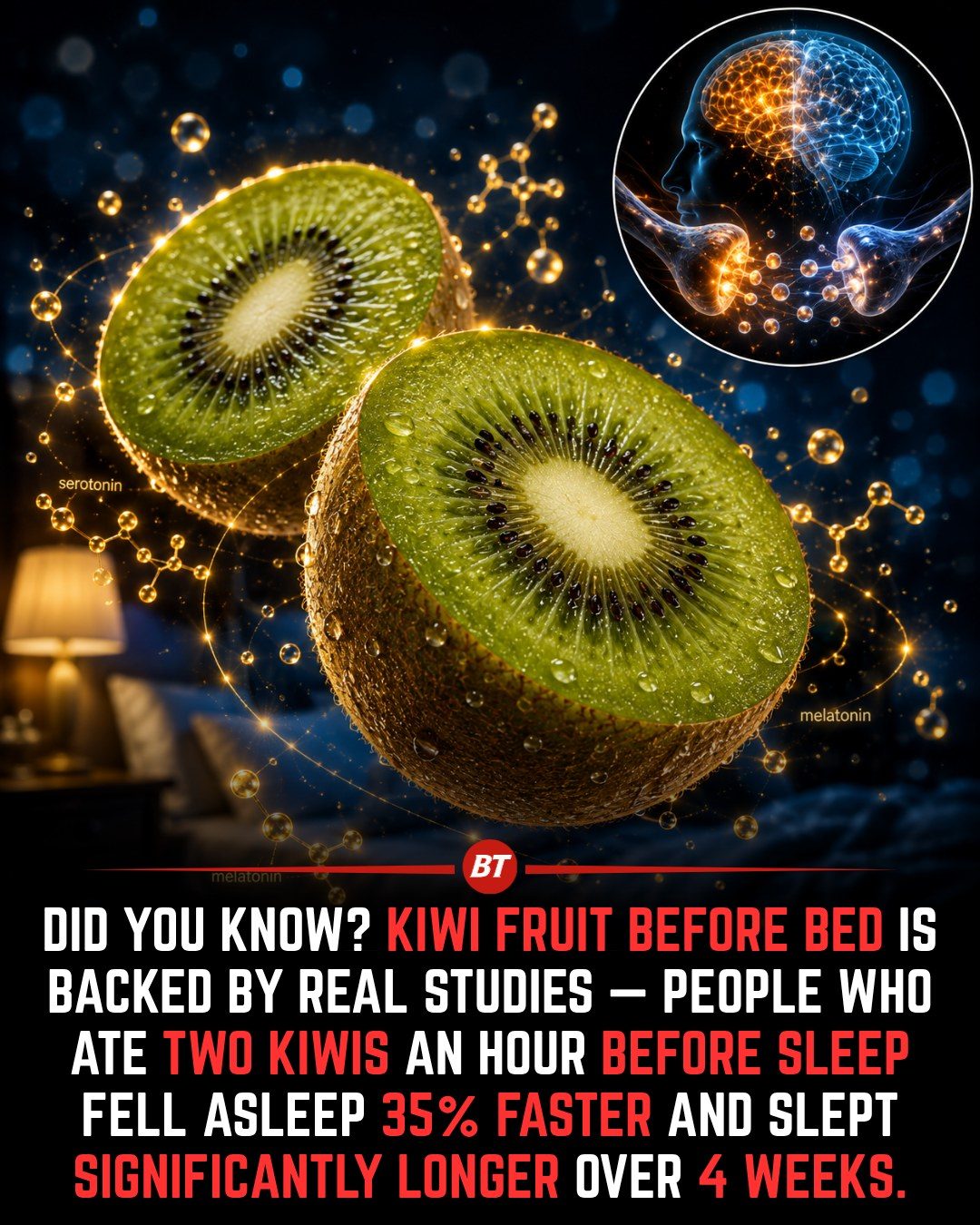
Kiwi Fruit and Sleep
Kiwi fruit, a small yet powerful superfruit, has gained attention for its potential to improve sleep. Recent studies have shown that consuming two kiwis about an hour before bedtime can significantly enhance sleep quality. This article explores the science behind kiwi fruit's sleep benefits, its nutrient profile, and practical tips for incorporating it into your bedtime routine.
Why This Matters
Sleep is essential for overall health and well-being. Poor sleep quality can lead to a range of health issues, including weakened immune function, increased risk of chronic diseases, and impaired cognitive function. Finding natural, effective ways to improve sleep is crucial for maintaining long-term health. Kiwi fruit stands out as a promising solution due to its unique combination of nutrients that support better sleep.
The Science Behind Kiwi Fruit and Sleep
Nutrient Profile
Kiwi fruit is packed with a variety of nutrients that contribute to its sleep-promoting effects. It is one of the richest fruit sources of vitamin C, a powerful antioxidant that supports immune function and overall health. Additionally, kiwi fruit contains serotonin, folate, and antioxidant polyphenols, all of which play a role in regulating sleep.
Serotonin, a neurotransmitter, is involved in regulating the sleep-wake cycle. It also serves as a precursor for melatonin, a hormone that helps signal the body to prepare for sleep. Melatonin production is naturally triggered by darkness, and its levels rise in the evening, promoting feelings of drowsiness and relaxation.
Clinical Studies
A 4-week clinical study published in the Asia Pacific Journal of Clinical Nutrition found that adults who consumed two kiwis about an hour before bedtime fell asleep 35% faster and slept significantly longer compared to their baseline sleep patterns. Participants also reported improvements in overall sleep quality, making kiwi one of the most promising whole foods for better sleep.
The study's findings highlight the potential of kiwi fruit as a natural sleep aid. The participants not only fell asleep faster but also spent a greater percentage of the night in deep sleep, which is crucial for physical restoration and mental rejuvenation. The study's results suggest that kiwi fruit's unique combination of nutrients may support several aspects of sleep, including falling asleep faster, sleeping longer, and improving overall sleep quality.
The Role of Antioxidants
Researchers also believe that the antioxidants in kiwi fruit may help reduce oxidative stress, a factor that can interfere with healthy sleep. Oxidative stress occurs when there is an imbalance between the production of free radicals and the body's ability to counteract their harmful effects. This imbalance can lead to cellular damage and inflammation, both of which can disrupt sleep.
Kiwi fruit's antioxidant properties, particularly its polyphenols, may help mitigate oxidative stress by neutralizing free radicals and protecting cells from damage. By reducing oxidative stress, kiwi fruit can create a more conducive environment for restful sleep.
Main Discussion
How Kiwi Fruit Improves Sleep
Kiwi fruit's sleep-promoting effects are multifaceted, involving several key mechanisms that work together to enhance sleep quality. These mechanisms include the regulation of neurotransmitters, the promotion of melatonin production, and the reduction of oxidative stress.
Regulation of Neurotransmitters
Serotonin, a key neurotransmitter found in kiwi fruit, plays a crucial role in regulating the sleep-wake cycle. It helps to promote feelings of relaxation and calm, making it easier to fall asleep. Serotonin also serves as a precursor for melatonin, the hormone that signals the body to prepare for sleep. By supporting serotonin levels, kiwi fruit can help regulate the sleep-wake cycle and promote better sleep.
Promotion of Melatonin Production
Melatonin, often referred to as the "sleep hormone," is produced naturally by the body in response to darkness. It helps to regulate the body's internal clock and promote feelings of drowsiness and relaxation. Kiwi fruit's ability to support serotonin levels can enhance melatonin production, making it easier to fall asleep and stay asleep throughout the night.
Reduction of Oxidative Stress
Oxidative stress occurs when there is an imbalance between the production of free radicals and the body's ability to counteract their harmful effects. This imbalance can lead to cellular damage and inflammation, both of which can disrupt sleep. Kiwi fruit's antioxidant properties, particularly its polyphenols, may help mitigate oxidative stress by neutralizing free radicals and protecting cells from damage.
By reducing oxidative stress, kiwi fruit can create a more conducive environment for restful sleep, allowing the body to relax and recharge more effectively.
The Unique Combination of Nutrients
Kiwi fruit's sleep-promoting effects are attributed to its unique combination of nutrients, including vitamin C, serotonin, folate, and antioxidant polyphenols. Each of these nutrients plays a role in supporting better sleep, and together, they create a synergistic effect that enhances sleep quality.
Vitamin C, a powerful antioxidant, supports immune function and overall health. It also helps to protect the body from oxidative stress, which can interfere with healthy sleep. Serotonin, a neurotransmitter, is involved in regulating the sleep-wake cycle and promoting feelings of relaxation and calm. Folate, a B vitamin, is essential for various bodily functions, including the production of red blood cells and the synthesis of DNA. Lastly, antioxidant polyphenols help to protect the body from oxidative stress and inflammation, both of which can disrupt sleep.
Real-World Evidence
Numerous anecdotes and real-world evidence support the beneficial effects of kiwi fruit on sleep. People who have incorporated kiwi fruit into their bedtime routines often report falling asleep faster, sleeping longer, and experiencing an overall improvement in sleep quality. These real-world experiences align with the findings of clinical studies, further validating the sleep-promoting properties of kiwi fruit.
Practical Tips
Incorporating Kiwi Fruit into Your Bedtime Routine
To reap the benefits of kiwi fruit for better sleep, consider the following practical tips for incorporating it into your bedtime routine:
-
Time your kiwi consumption: Eat two ripe kiwis about one hour before bedtime. This timing allows the nutrients in the fruit to be absorbed and start their sleep-promoting effects.
-
Pair with a consistent sleep schedule: Consistency is key when it comes to improving sleep. Try to go to bed and wake up at the same time every day, even on weekends. This will help regulate your body's internal clock and promote better sleep.
-
Create a sleep-conducive environment: Ensure your bedroom is cool, dark, and quiet. Use blackout curtains, earplugs, or a white noise machine if needed. Also, consider using a comfortable mattress and pillows to support a good night's sleep.
-
Limit screen time before bed: The blue light emitted by electronic devices can interfere with melatonin production and disrupt sleep. Aim to turn off all screens at least an hour before bedtime.
-
Practice relaxation techniques: Incorporate relaxation techniques such as deep breathing, meditation, or gentle stretching into your bedtime routine. These practices can help calm the mind and body, making it easier to fall asleep.
Tips for Choosing the Right Kiwis
Not all kiwis are created equal, and selecting the right ones can enhance their sleep-promoting effects. When choosing kiwis, look for the following:
-
Ripe kiwis: Ripe kiwis are typically soft to the touch and have a slight give when gently squeezed. Avoid kiwis that are too firm or have bruises and blemishes.
-
Organic kiwis: If possible, choose organic kiwis to minimize exposure to pesticides and chemicals. Organic farming practices also tend to promote better soil health and biodiversity.
-
Local and seasonal: When available, opt for local and seasonal kiwis. These are often fresher and more nutrient-dense than imported varieties.
-
Golden kiwis: While green kiwis are the most common, golden kiwis are sweeter and have a higher sugar content. Both types offer similar nutritional benefits, but the choice depends on your taste preference.
Preparing Kiwis for Bedtime
Kiwis are versatile and can be enjoyed in various ways. Preparing them for bedtime is simple and convenient. Here are a few ideas:
-
Eat them whole: Simply slice the kiwi in half and scoop out the flesh with a spoon. This is a quick and easy way to enjoy the fruit without any preparation.
-
Slice them: Slice the kiwi into rounds or half-moons and arrange them on a plate. This presentation makes for a visually appealing snack.
-
Make a smoothie: Blend two kiwis with a banana, a splash of almond milk, and a handful of spinach for a nutritious and refreshing bedtime smoothie. This option is great for those who prefer a drinkable snack.
-
Pair with other foods: Kiwis pair well with other fruits, nuts, and yogurt. Create a fruit salad or a yogurt parfait with kiwis and other sleep-promoting foods like berries, cherries, or almonds.
Important Takeaways
Kiwi fruit offers a natural and effective way to improve sleep quality. Its unique combination of nutrients, including vitamin C, serotonin, folate, and antioxidant polyphenols, supports better sleep by regulating neurotransmitters, promoting melatonin production, and reducing oxidative stress. Clinical studies have shown that consuming two kiwis about an hour before bedtime can help people fall asleep faster, sleep longer, and improve overall sleep quality.
Incorporating kiwi fruit into your bedtime routine is a practical and enjoyable way to enhance sleep naturally. By choosing ripe, organic, and local kiwis, and pairing them with a consistent sleep schedule and a sleep-conducive environment, you can maximize their sleep-promoting benefits.
Conclusion
Kiwi fruit stands out as a promising natural remedy for improving sleep quality. Its rich nutrient profile and proven sleep-enhancing effects make it a valuable addition to any bedtime routine. By incorporating kiwi fruit into your daily habits and following practical tips for better sleep, you can experience the benefits of this superfruit and enjoy more restful nights. Embrace the power of kiwi fruit and elevate your sleep quality naturally.
Watch the Reel
Questions readers ask
How does kiwi fruit help improve sleep quality?
Kiwi fruit contains serotonin, a neurotransmitter that helps regulate sleep. It also has a good amount of folate, which can help reduce sleep disturbances. Additionally, kiwis are rich in antioxidants, which can help reduce inflammation and promote better sleep.
What is the recommended time to eat kiwi fruit for better sleep?
For optimal results, consume two kiwis about an hour before bedtime. This allows your body enough time to digest the fruit and absorb the nutrients that promote better sleep.
Can kiwi fruit help with insomnia?
While kiwi fruit may not be a cure for insomnia, it can help improve sleep quality. By promoting better sleep, kiwi fruit can be a helpful addition to a healthy sleep routine. However, for severe sleep issues, seek medical advice.
What are the other health benefits of consuming kiwi fruit?
Kiwi fruit is rich in vitamin C, which supports immune function and skin health. It also contains a variety of antioxidants that help protect against chronic diseases and promote overall wellness.
Does kiwi fruit contain melatonin, and if so, how does it help sleep?
While kiwi fruit does not contain melatonin, it helps promote sleep through other means. The serotonin in kiwi fruit aids in regulating sleep, and the antioxidants can help reduce inflammation, thereby promoting better sleep.
Related deep dives
Similar reads based on topic and creator.




Recent articles
Fresh deep dives from the latest Reels we unpacked.




Comments
Be the first to comment.