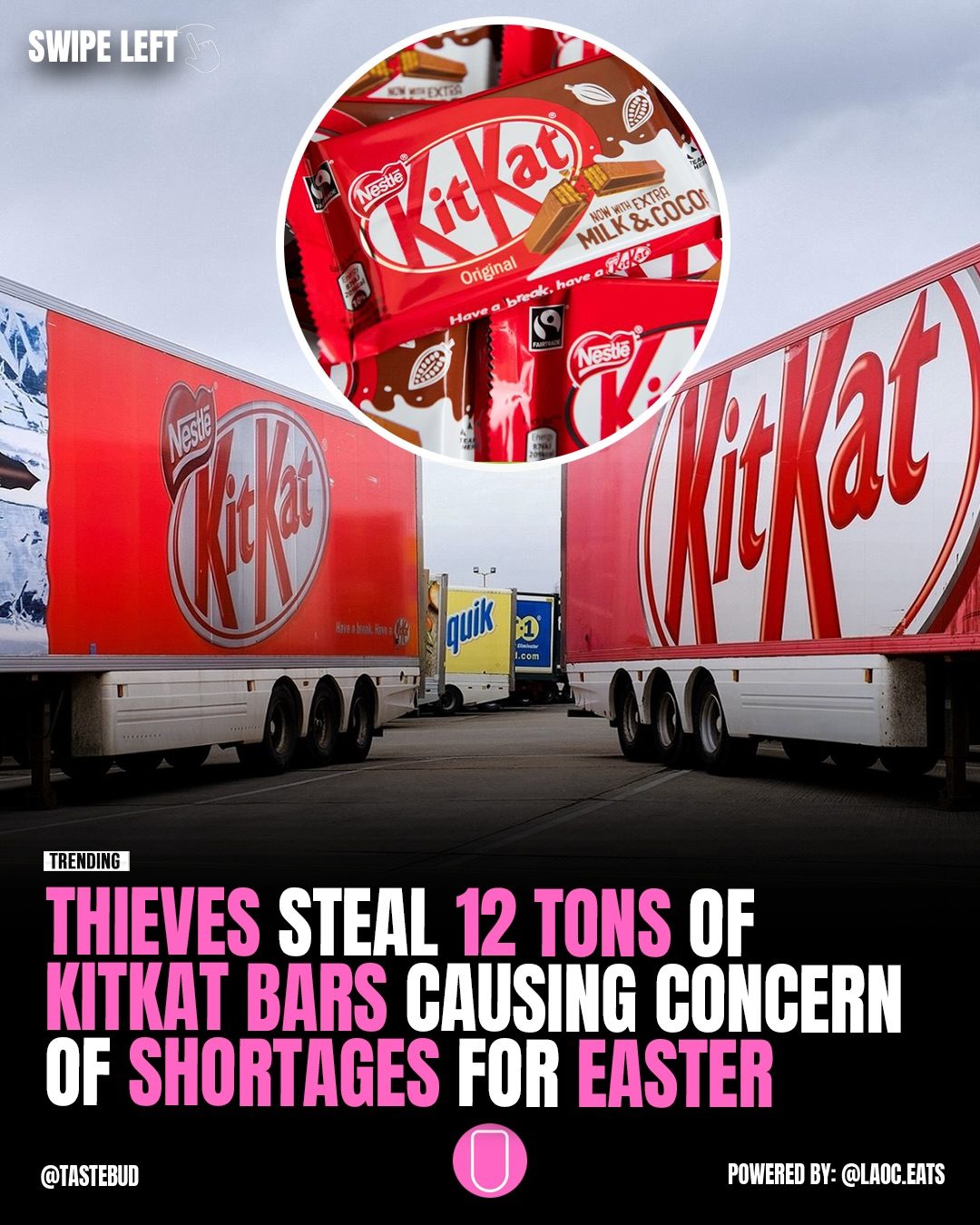
The Theft of 12 Tons of KitKat Bars: Impact and Implications
A recent theft of a staggering 12 tons of KitKat bars from a shipment being transported from Italy to Poland has sparked concern and speculation about the potential impact on chocolate lovers, especially as Easter approaches. This significant heist has raised questions about supply chain vulnerabilities, the potential for shortages, and the strategies companies use to protect their products and track stolen goods.
Context / Why This Matters
The theft of such a large quantity of KitKat bars is not just a curious anecdote; it highlights the broader issues within the logistics and supply chain industries. Thefts of this magnitude can disrupt supply chains, cause shortages, and lead to significant financial losses. For consumers, this event could mean limited availability of their favorite treats, especially during holiday seasons like Easter.
For Nestlé, the company behind KitKat, this incident is a significant challenge. The company has stated that the stolen chocolates might appear in unofficial markets, which could undermine their distribution and sales strategies. More importantly, it threatens the trust and satisfaction of their customers during a peak consumption period.
Main Discussion
The Extent of the Theft
To grasp the magnitude of the theft, consider that 12 tons of KitKat bars equates to approximately 240,000 individual bars, assuming an average bar weighs 50 grams. This quantity was allegedly stolen while being transported, suggesting a well-planned and executed operation by the thieves. The sheer volume of the stolen goods indicates a significant logistical operation, possibly involving multiple individuals and a high level of organization.
Potential Market Impact
The theft raises concerns about potential shortages, particularly ahead of Easter. Easter is a time when chocolate sales typically surge, as consumers stock up on treats for themselves and as gifts. A shortage would not only disappoint consumers but could also lead to increased prices for the remaining stock. This could create a ripple effect throughout the market, impacting not just KitKat but other chocolate brands as well, as consumer demand shifts.
Tracking and Recovery
Nestlé has mentioned that batch codes on the stolen KitKat bars might help in tracking them. Batch codes are unique identifiers used to monitor products throughout the supply chain. They can help manufacturers track where their products are at any given time and identify if any of their stock has been diverted or stolen. These codes are crucial for recovery efforts and can also help in identifying patterns of theft, allowing companies to better secure their supply chains in the future.
Unofficial Markets and Illicit Trade
The potential appearance of the stolen KitKat bars in unofficial markets is another significant aspect of this theft. Unofficial or illicit markets can include black markets, street vendors, and unauthorized online retailers. The presence of stolen goods in these markets can undermine legitimate distribution channels and create a range of issues, from financial losses to potential health risks if the products are mishandled or tampered with.
Practical Tips
For consumers, the theft of such a large quantity of chocolate bars might seem like a distant issue, but there are several practical steps you can take to ensure you're not inadvertently supporting illicit trade or facing shortages:
- Buy from Authorized Retailers: Stick to well-known, authorized retailers and avoid purchasing from unauthorized or street vendors. This ensures you get authentic products and support legitimate businesses.
- Check for Batch Codes: If you purchase chocolates in bulk, check for batch codes to ensure they match the expected production information. This can help verify the authenticity of the products.
- Report Suspicious Activity: If you notice any suspicious sales or distribution patterns, report them to the relevant authorities or the company itself. This can help in tracking and recovering stolen goods.
For businesses, especially those in the food and beverage industry, security measures should be a top priority:
- Enhance Security Measures: Improve transportation security through GPS tracking, secure vehicles, and increased surveillance.
- Batch Code Implementation: Ensure that batch codes are clearly marked and easily verifiable. This can help in tracking and recovering stolen goods.
- Regular Audits: Conduct regular audits of the supply chain to identify any vulnerabilities and address them promptly.
Important Takeaways
The theft of 12 tons of KitKat bars underscores the need for robust security measures in the supply chain. It also highlights the potential impact on consumer satisfaction and market stability. Tracking stolen goods through batch codes is a crucial strategy, but it is equally important for consumers to be vigilant and buy from authorized retailers.
Conclusion
While the theft of a massive quantity of KitKat bars is a significant event, it serves as a reminder of the broader challenges in supply chain management. Companies and consumers can take proactive steps to mitigate the impact of such incidents and ensure the integrity of the supply chain. As a consumer, you can help by buying from authorized retailers and checking for batch codes, while companies can enhance their security measures and track their products more effectively.
Watch the Reel
Questions readers ask
What measures can companies take to prevent large-scale product thefts like the KitKat heist?
Companies can implement several strategies to prevent large-scale product thefts. These include using advanced tracking technologies, such as GPS and RFID, to monitor shipments in real-time. Additionally, enhancing security protocols, such as increasing surveillance and securing transportation routes, can significantly reduce the risk of theft. Companies should also consider diversifying supply routes and increasing the frequency of smaller shipments to minimize the impact of potential thefts.
How might the theft of 12 tons of KitKat bars impact consumers, especially during Easter?
The theft of such a large quantity of KitKat bars could potentially lead to shortages, especially around Easter when demand for chocolate is high. Consumers might face limited availability of their favorite treats, leading to disappointment and frustration. However, the impact will depend on how quickly the company can reroute or restock the supply, and how they manage consumer demand.
What are the financial implications of a large scale product theft for companies?
Large-scale product thefts can result in significant financial losses for companies. These losses include the direct cost of the stolen goods, as well as indirect costs such as increased insurance premiums, additional security measures, and potential loss of customer trust. Furthermore, companies may face operational disruptions and delays, which can negatively impact overall profitability.
What other types of products are commonly targeted in supply chain thefts?
Supply chain thefts often target high-value, easily resold products such as electronics, pharmaceuticals, alcohol, and luxury goods. However, food and beverage items, particularly popular brands and seasonal products, are also frequent targets. Thieves may steal these goods due to their high market demand and the ease of reselling them in the black market.
How can consumers stay informed about potential product shortages caused by supply chain thefts?
Consumers can stay informed about potential product shortages by following news updates and official statements from the companies involved. Social media and company websites are often the first places where such information is released. Additionally, subscribing to newsletters or alerts from retailers can provide timely updates on product availability and any anticipated shortages.
What legal actions can companies take in response to a large-scale theft?
Companies can take several legal actions in response to a large-scale theft. These include filing police reports and working with law enforcement to investigate the theft. They can also pursue civil lawsuits to recover damages and seek compensation. Additionally, companies may review and strengthen their insurance policies to cover future theft incidents, and collaborate with other industry players to enhance collective security measures.
Related deep dives
Similar reads based on topic and creator.


Recent articles
Fresh deep dives from the latest Reels we unpacked.




Comments
Be the first to comment.