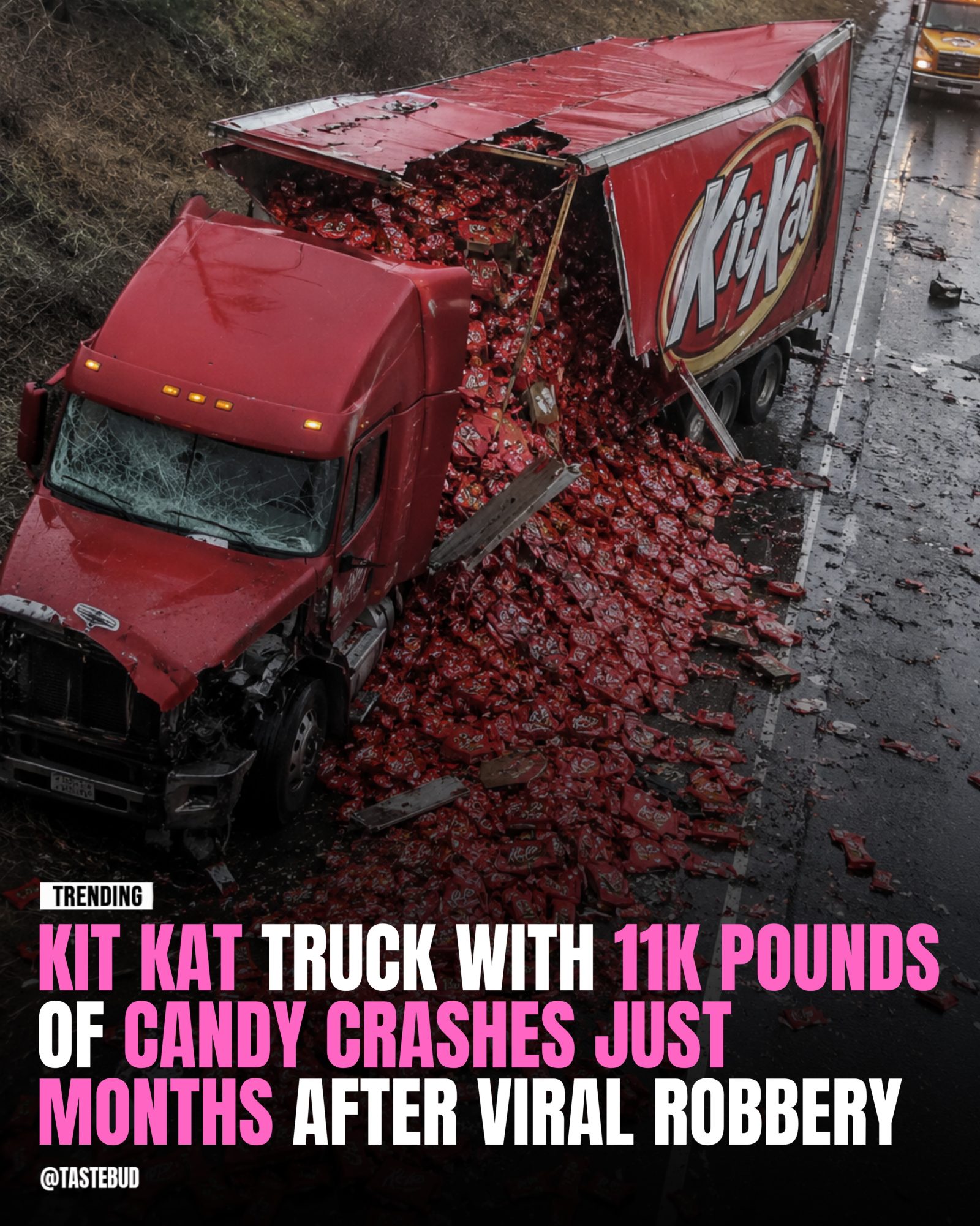
Truck Accident Involving 11,000 Pounds of Kit Kat Candy Bars
On May 25, a significant truck accident involving 11,000 pounds of Kit Kat candy bars grabbed headlines and social media attention. The incident occurred shortly after a viral robbery in Europe, which added to the public interest. Large-scale logistics accidents, while not unheard of, can have substantial impacts on logistics operations and brand reputations. Let’s explore the implications and what we can learn from this unusual event.
Context / Why This Matters
Large-scale logistics operations are vital for delivering products on a global scale. The logistics industry faces numerous challenges, including road accidents and theft, which can disrupt supply chains and impact brand reputations. The recent Kit Kat truck accident highlights the logistical risks and how brands handle such public incidents. Understanding these events can offer insights into the logistics industry's vulnerabilities and how companies manage crises.
Main Discussion
The Incident and Its Impact
On May 25, a truck carrying 11,000 pounds of Kit Kat candy bars overturned, spilling its contents and causing a significant disruption. This incident occurred only months after a separate case in Europe where tons of Kit Kat bars were reportedly stolen during transport. The timing of these events made the recent accident particularly notable.
While accidents of this nature are not uncommon in large-scale logistics, the timing and circumstances of this incident amplified its visibility. The Kit Kat brand itself turned the situation into a viral moment by responding with humor. In a social media post, the brand quipped, "We need a break," turning a potentially negative situation into a lighthearted, shareable moment. This approach showcases how brands can leverage social media to manage public perception during crises.
Logistics Challenges and Risk Management
Logistics operations face numerous challenges, including theft, road accidents, and environmental factors. These challenges can lead to significant financial losses and operational disruptions. The recent Kit Kat truck accident underscores the need for robust risk management strategies. Companies must implement comprehensive risk assessment and mitigation plans to minimize the impact of such incidents.
Risk assessment involves identifying potential hazards and evaluating their likelihood and impact. For instance, companies can use predictive analytics to anticipate high-risk routes and schedule shipments accordingly. Additionally, real-time tracking and monitoring technologies can help detect and respond to incidents more quickly, reducing the potential damage.
Brand Management and Public Relations
Large-scale logistics incidents can significantly impact a brand's reputation. The recent Kit Kat truck accident highlights how brands can manage public perception during crises. Effective brand management involves transparency, accountability, and proactive communication.
In the case of the Kit Kat accident, the brand's humorous response on social media helped mitigate potential negative publicity. While humor is not always the best approach, it worked well in this context. The key is to understand the audience and tailor the response accordingly. Effective communication can help build trust and maintain customer loyalty during challenging times.
Industry Implications and Best Practices
The recent Kit Kat truck accident has broader implications for the logistics and supply chain industries. Companies must adopt best practices to mitigate risks and protect their brands. Best practices include:
1. Robust Security Measures: Implementing security measures such as GPS tracking, cargo locks, and secure storage facilities can reduce the risk of theft and accidents. Companies should regularly review and update their security protocols to address emerging threats.
2. Comprehensive Training: Providing comprehensive training for drivers and logistics personnel can help prevent accidents and respond to incidents more effectively. Training should cover defensive driving, emergency procedures, and compliance with regulations.
3. Regular Maintenance: Regular vehicle maintenance is essential for preventing accidents and ensuring the safety of shipments. Companies should establish a maintenance schedule and promptly address any issues that arise.
4. Technology Integration: Technology plays a crucial role in modern logistics. Companies should leverage technologies such as IoT, AI, and blockchain to enhance safety, efficiency, and transparency in their supply chains.
Practical Tips
For Logistics Companies
1. Conduct Regular Risk Assessment: Regularly assess potential risks and develop mitigation strategies to minimize their impact. This may involve analyzing historical data, identifying vulnerabilities, and implementing preventive measures.
2. Implement Advanced Tracking: Utilize real-time tracking and monitoring technologies to enhance visibility and control over your supply chain. This can help detect and respond to incidents quickly, reducing potential damage and financial losses.
3. Enhance Security Measures: Ensure your logistics operations are secure by implementing comprehensive security measures such as GPS tracking, cargo locks, and secure storage facilities.
For Brands
1. Develop a Crisis Management Plan: Create a comprehensive crisis management plan that outlines how the brand will respond to various incidents. This plan should include communication strategies, media relations, and customer engagement tactics.
2. Utilize Social Media: Use social media platforms to engage with your audience and manage your brand's reputation during crises. Transparent and timely communication can help build trust and loyalty among your customers.
Important Takeaways
The recent Kit Kat truck accident underscores the challenges and risks associated with large-scale logistics operations. Key takeaways include:
-
Risks Are Inevitable: Large-scale logistics operations are inherently risky, and incidents can occur despite the best efforts to prevent them. Companies must be prepared to manage these risks effectively.
-
Effective Communication Matters: How a company communicates during and after an incident can significantly impact its reputation. Transparent and strategic communication can help mitigate negative publicity and build customer trust.
-
Adopt Best Practices: Implementing best practices in risk management, security, and technology can help prevent incidents and minimize their impact. Companies should regularly review and update their strategies to address emerging threats and challenges.
Conclusion
The Kit Kat truck accident highlights the complexities and risks of large-scale logistics operations. As the logistics industry continues to evolve, companies must adopt comprehensive risk management strategies and leverage technology to enhance safety and efficiency. Brands must also prioritize effective communication and public relations to manage their reputations during crises. By learning from incidents like this one, companies can build more resilient and adaptable supply chains that are better equipped to handle challenges and uncertainties.
Watch the Reel
Questions readers ask
How did the Kit Kat brand respond to the truck crash involving 11,000 pounds of candy?
The Kit Kat brand responded with humor, turning the accident into a viral moment. This strategy helped to mitigate potential negative publicity and instead created a memorable and shareable moment for the brand.
What were the main logistics challenges highlighted by the Kit Kat truck crash and European robbery?
The incidents highlighted several key challenges, including road accidents and theft, which can disrupt supply chains and impact brand reputations. These events underscore the importance of robust logistics management and security measures in large-scale operations.
What was unique about the timing of the Kit Kat truck accident?
The Kit Kat truck accident occurred shortly after a European candy robbery, which already had the public's attention. This added to the public interest in the Kit Kat incident, making it a notable event in the logistics world.
How did the Kit Kat candy spill impact the brand's social media presence?
The Kit Kat candy spill garnered significant attention on social media, with the brand's humorous response contributing to a viral moment. This increased the brand's visibility and engagement, turning a potential setback into a memorable and widely shared event.
What are some common challenges faced in large-scale logistics operations?
Large-scale logistics operations are susceptible to various issues, including road accidents, theft, and supply chain disruptions. These challenges can impact delivery timelines, product availability, and overall brand perceptions in the market.
How can brands like Kit Kat leverage unexpected events for positive outcomes?
Brands can leverage unexpected events by using humor, transparency and quick response. The Kit Kat brand demonstrated this with their viral moment, which helped to engage the public and create a positive narrative around the incident.
Related deep dives
Similar reads based on topic and creator.




Recent articles
Fresh deep dives from the latest Reels we unpacked.




Comments
Be the first to comment.