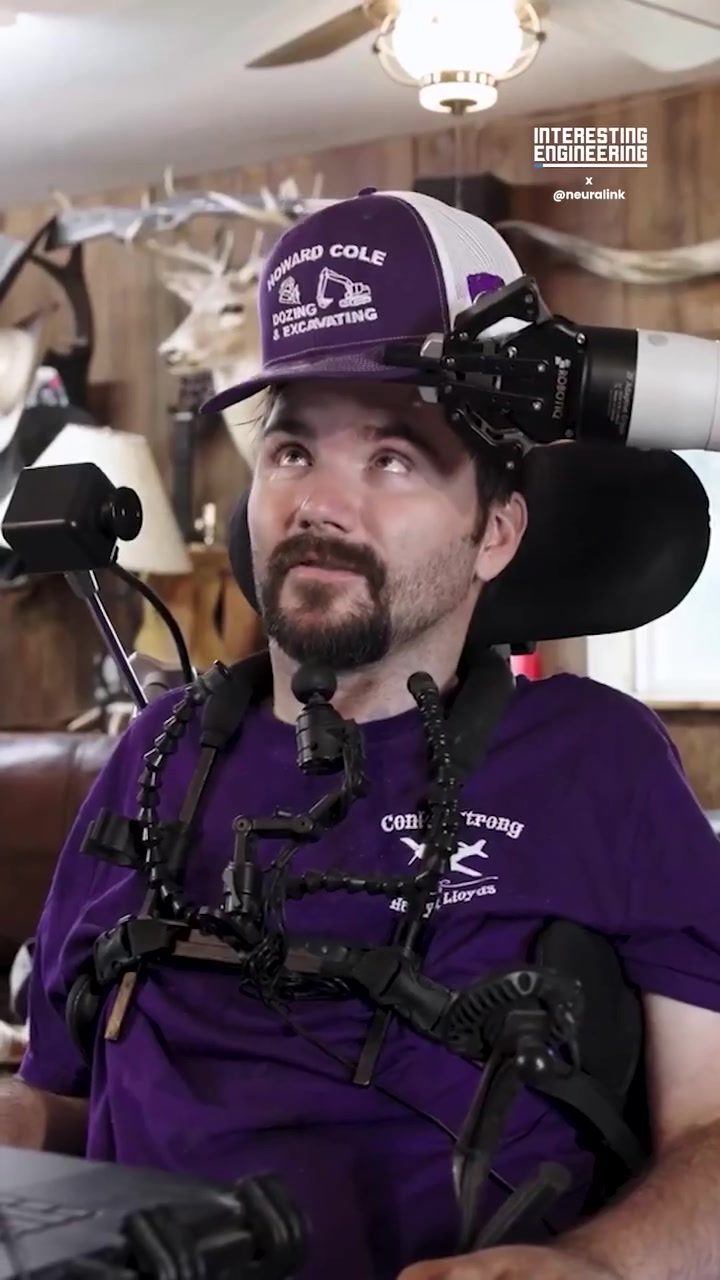
How Robotic Arms Are Revolutionizing Assistance for Spinal Cord Injuries
Robotic arms are transforming the landscape of assistive technologies, particularly for individuals with spinal cord injuries. By harnessing the power of brain-computer interfaces, robotic arms like the Kinova model can be controlled directly through thought, offering new levels of independence and functionality.
Why This Matters
For those with spinal cord injuries, the ability to control a robotic arm with brain signals opens up a world of possibilities. This technology eliminates the need for traditional control methods like hand movements or voice commands, making it accessible for those with severe mobility impairments. Neural interfaces, such as those developed by Neuralink, are at the forefront of this innovation, translating brain signals into precise robotic movements.
Main Discussion
The Kinova Robotic Arm: A Closer Look
The Kinova robotic arm, as seen in demonstrations, is a versatile and precise tool. It can manipulate various objects, from cups to wooden blocks, with remarkable accuracy. This precision is crucial for everyday tasks, allowing users to perform activities that would otherwise be challenging or impossible.
Brain-Computer Interfaces
The integration of brain-computer interfaces (BCIs) with robotic arms is a game-changer. BCIs, such as those developed by Neuralink, translate brain signals into commands that the robotic arm can execute. This technology involves a headset or implant that reads neural activity and translates it into digital instructions. The seamless interaction between the brain and the robotic arm highlights the potential for future advancements in assistive technology.
Practical Applications
Everyday Tasks
Robotic arms can assist with a wide range of daily activities. For instance, holding a cup or moving objects around a table are tasks that many people take for granted. For individuals with spinal cord injuries, these tasks can be daunting. The Kinova robotic arm, with its ability to handle everyday objects, can significantly enhance daily living for these individuals.
Precision and Control
The demonstration of the Kinova robotic arm manipulating wooden blocks showcases its precision and control. This level of accuracy is essential for tasks that require fine motor skills, such as picking up small items or performing delicate tasks. The arm's ability to handle such precise movements indicates its potential for more complex applications in the future.
Assistance in Domestic Settings
The potential for robotic assistance in domestic settings is vast. Whether it's reaching for items on a high shelf, moving objects around the house, or even assisting with cooking, robotic arms can provide invaluable support. The Kinova robotic arm, with its capability to interact with everyday objects, is a testament to this potential.
Practical Tips
Getting Started with Robotic Arms
For those interested in exploring robotic arms, it's essential to start with a reliable model like the Kinova. Understanding the capabilities and limitations of the robotic arm can help set realistic expectations. Working with a healthcare provider or a specialist in assistive technologies can provide valuable insights and support.
Choosing the Right BCI
Selecting the right brain-computer interface is crucial for effective control. Neuralink's technology, for example, offers a high level of precision and reliability. It's important to research different options and consult with professionals to determine the best fit for individual needs.
Training and Adaptation
Adapting to a new assistive technology can take time. Regular practice and training sessions can help improve control and comfort with the robotic arm. Working with a physical therapist or an occupational therapist can provide structured guidance and support.
Important Takeaways
- Precision and Control: Robotic arms like the Kinova model offer precise control, essential for delicate tasks.
- Brain-Computer Interfaces: BCIs, such as those developed by Neuralink, enable seamless interaction between the brain and the robotic arm.
- Potential for Everyday Use: Robotic arms can assist with a wide range of daily activities, enhancing independence for individuals with spinal cord injuries.
Conclusion
Robotic arms controlled by brain signals represent a significant advancement in assistive technology. The Kinova robotic arm, in particular, demonstrates the potential for precision and versatility in everyday tasks. As technology continues to evolve, the integration of brain-computer interfaces with robotic arms offers new possibilities for individuals with spinal cord injuries, enhancing their quality of life and independence.
Watch the Reel
Questions readers ask
How does the Kinova robotic arm translate brain signals into movements?
The Kinova robotic arm uses advanced algorithms to interpret brain signals, specifically those related to motor functions. These signals are captured through non-invasive sensors and translated into precise commands that control the robotic arm's movements, allowing users to perform tasks with high accuracy.
What types of tasks can the Kinova robotic arm assist with?
The Kinova thought-controlled robotic arm can assist with a wide range of everyday tasks, including feeding, grasping objects, and even simple household chores. Its precise control and versatility make it a valuable tool for enhancing independence in daily living.
Can the Kinova robotic arm be used by individuals with varying degrees of spinal cord injuries?
Yes, the Kinova robotic arm is designed to be accessible for individuals with varying degrees of spinal cord injuries, including those with severe mobility impairments. Its thought-controlled interface eliminates the need for traditional control methods, making it a versatile solution for different levels of impairment.
How does the Kinova robotic arm differ from other assistive technologies?
The Kinova robotic arm stands out due to its use of brain-computer interfaces, which allow for direct thought control. Unlike other assistive technologies that rely on hand movements or voice commands, the Kinova arm offers a more intuitive and seamless experience for users with severe mobility limitations.
What are the benefits of using a neural interface for controlling a robotic arm?
Neural interfaces, like those used in the Kinova robotic arm, provide a direct and natural way to control assistive devices. This allows for more fluid and precise movements, reducing the reliance on assistive technology and enhancing the user's ability to interact with their environment.
How can the Kinova robotic arm improve the quality of life for individuals with spinal cord injuries?
By enabling users to perform daily tasks independently, the Kinova robotic arm can significantly improve the quality of life for those with spinal cord injuries. It fosters a sense of autonomy and self-reliance, which can have profound psychological and social benefits.
What advances in technology have made thought-controlled robotic arms like the Kinova possible?
Advances in brain-computer interfaces, neural signal processing, and robotics have collectively made thought-controlled robotic arms possible. These technologies have evolved to the point where they can accurately capture and interpret brain signals, translating them into precise and effective robotic movements.
Recent articles
Fresh deep dives from the latest Reels we unpacked.




Comments
Be the first to comment.