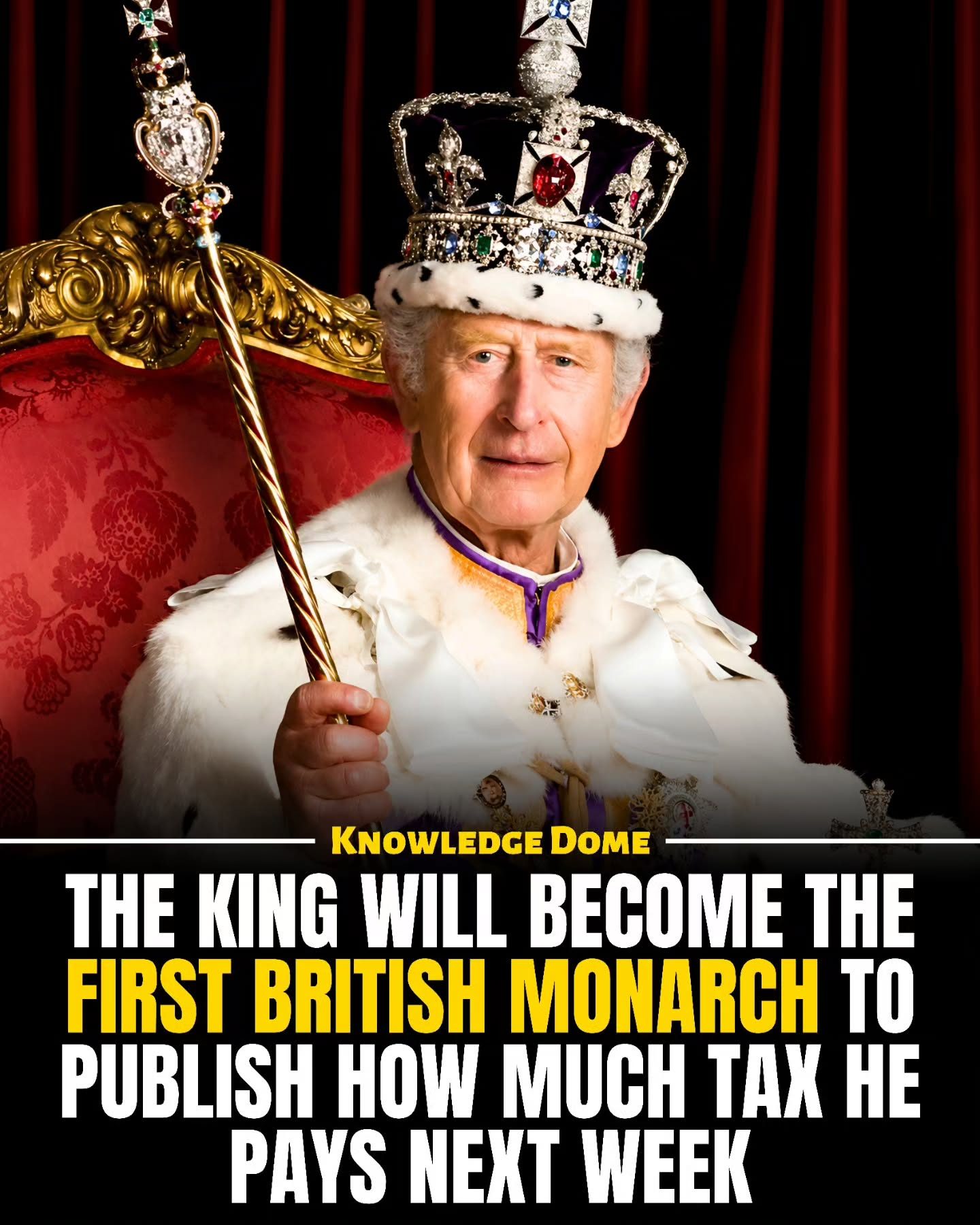
King Charles III's Historic Tax Disclosure
King Charles III is poised to make history as the first reigning British monarch to publicly disclose how much personal tax he pays. This unprecedented move is set to provide unprecedented transparency into the financial affairs of the royal family, offering insights into the management of the King’s wealth.
Why This Matters
The disclosure of King Charles' tax payments is a significant step towards modernizing the monarchy. Historically, British monarchs have been legally exempt from certain taxes, but King Charles has chosen to voluntarily pay income and capital gains tax. This decision underscores a growing trend towards greater transparency and accountability in the royal household, which is crucial for maintaining public trust and relevance in contemporary times.
The Details
Income Sources
The tax details that King Charles will disclose are expected to cover a wide range of income sources. These include:
-
Duchy of Lancaster: This historic estate, which dates back to 1265, generates significant revenue for the royal family. It encompasses extensive land holdings, commercial properties, and agricultural lands. The income from this estate will be a key component of the tax disclosure.
-
Private Homes: The King owns several private homes, including Sandringham and Balmoral, which contribute to his personal wealth. The tax paid on income derived from these properties will also be included.
-
Personal Investments: The disclosure will cover taxes paid on personal investments, providing a clearer picture of the King’s financial portfolio and his approach to wealth management.
Modernizing the Monarchy
The move towards greater transparency is part of a broader effort to modernize the monarchy. Buckingham Palace has emphasized that this decision is aimed at enhancing openness and accountability. By making tax information publicly available, the royal family is taking a significant step towards addressing public scrutiny and ensuring that their financial dealings are beyond reproach.
A New Tradition
Reports indicate that King Charles has agreed to continue this practice annually. This could set a new precedent for future monarchs, creating a tradition of regular financial disclosures. It would mean that future generations will have an ongoing view of the royal family's financial dealings, fostering a culture of transparency and accountability within the monarchy.
Practical Tips
For those interested in understanding the financial implications of this disclosure, here are some practical tips:
-
Understand the Duchy of Lancaster: Familiarize yourself with the Duchy of Lancaster, its holdings, and how it contributes to the monarchy’s wealth. This will provide context for the tax information disclosed.
-
Follow Annual Financial Accounts: Keep an eye on the royal family’s annual financial accounts. These documents will provide detailed information on the tax payments and financial management practices of the royal household.
-
Stay Informed on Royal Wealth: Use this opportunity to educate yourself on how royal wealth is managed and the financial responsibilities of the monarchy. This will help you better understand the significance of King Charles’ disclosure.
Important Takeaways
There are several key takeaways from King Charles III’s decision to disclose his tax payments:
-
Transparency and Accountability: This move signals a commitment to greater transparency and accountability within the royal household.
-
Public Trust: By voluntarily paying taxes and disclosing this information, King Charles is building public trust and showing that the monarchy is willing to meet modern expectations of transparency.
-
Historical Precedent: This is the first time a sitting British monarch is publicly disclosing tax information, setting a new standard for future monarchs.
-
Wealth Management: The disclosure provides a unique look into how royal wealth is managed, particularly through the Duchy of Lancaster and private investments.
Conclusion
King Charles III’s decision to publicly disclose his personal tax payments is a historic and significant step. It marks a new era of transparency and accountability within the British monarchy. By providing insights into the financial management of the royal family, this disclosure will help build public trust and demonstrate that the monarchy is evolving to meet modern expectations. Whether you are a historian, a financial expert, or simply curious about the royal family, this move offers a rare glimpse into the financial dealings of one of the world's most iconic institutions.
Watch the Reel
Questions readers ask
Why is King Charles III disclosing his tax payments?
King Charles III is disclosing his tax payments to enhance public trust and modernize the monarchy. By revealing this information, he aims to increase transparency and accountability in the royal household.
What sources of income will be included in King Charles' disclosure?
The disclosure will cover income from the Duchy of Lancaster, private homes, and personal investments. This provides a comprehensive view of the King's financial activities.
How does this disclosure differ from previous monarchs' financial transparency?
King Charles III will be the first British monarch to publicly reveal his personal tax payments. Previous monarchs have not disclosed such detailed financial information, making this a historic shift towards greater transparency.
What types of taxes will King Charles III be paying?
King Charles III has chosen to voluntarily pay income and capital gains tax. This decision is significant because historically, British monarchs have been legally exempt from certain taxes.
Why is financial transparency important for the royal family?
Financial transparency is important for the royal family as it helps to build public trust. By being open about his financial dealings, King Charles III can foster a stronger connection with the public and demonstrate the modern monarchy’s commitment to accountability.
Recent articles
Fresh deep dives from the latest Reels we unpacked.




Comments
Be the first to comment.