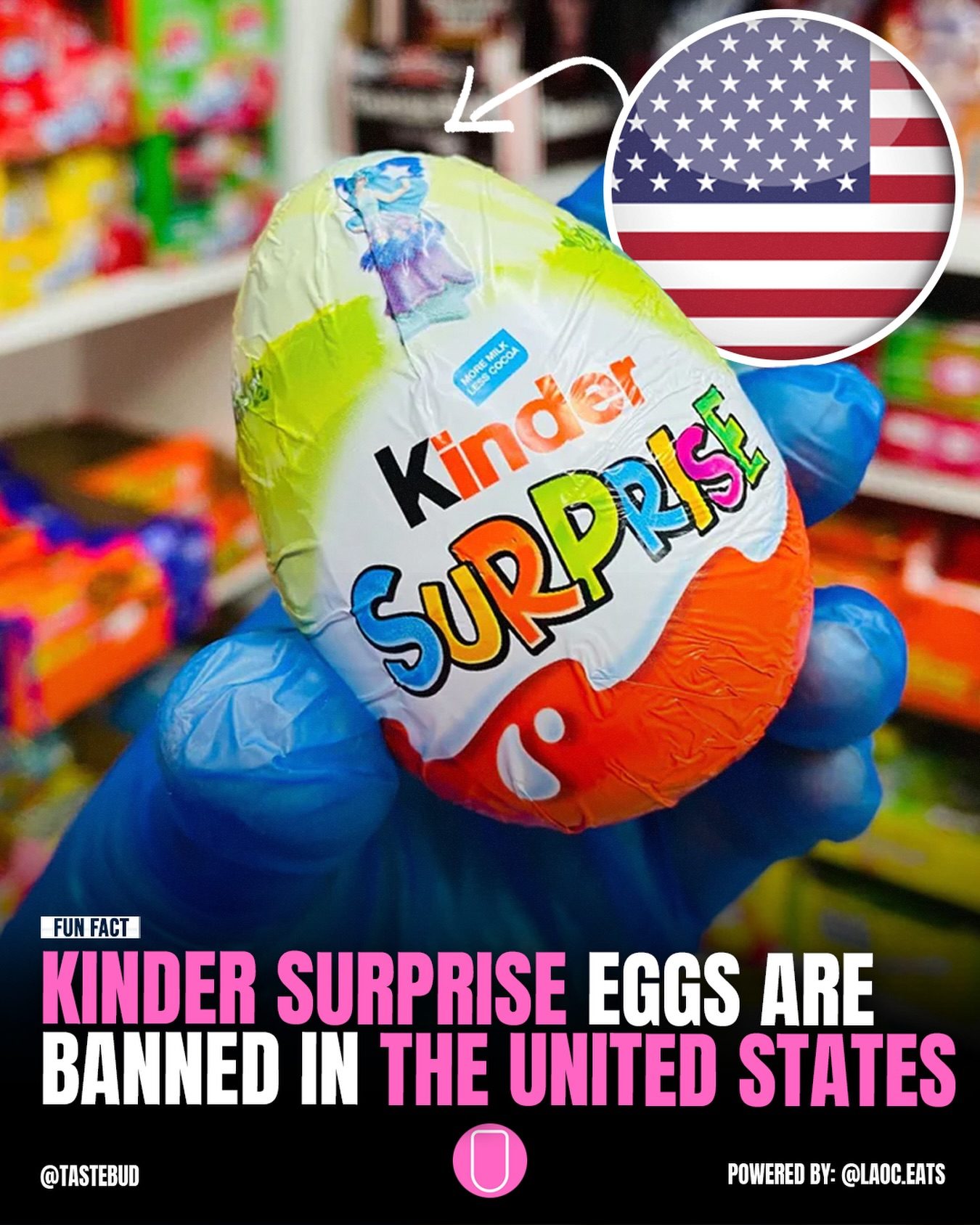
Kinder Surprise Eggs: The International Chocolate Candy with a Surprise Inside
Kinder Surprise eggs are a beloved chocolate candy around the globe, known for their delightful surprise inside. These eggs are sold in 187 countries, but there's a notable exception: the United States. The reason behind this restriction lies in federal laws dating back to 1938, which prohibit candy containing non-edible objects. The small toy hidden inside the chocolate egg falls under this regulation, making Kinder Surprise eggs illegal in the U.S.
Why This Matters
The ban on Kinder Surprise eggs in the United States has sparked curiosity and debate among candy enthusiasts. Understanding the reasons behind this restriction and the alternatives available can provide a clearer picture of the chocolate candy market and regulatory differences across countries. Additionally, the existence of a modified version, Kinder Joy, raises questions about how and why certain products are adapted for different markets.
The History and Regulation of Kinder Surprise Eggs
The Origin of Kinder Surprise Eggs
Kinder Surprise eggs originate from Italy and were first introduced by the Ferrero Company in 1974. The unique feature of these eggs is the small toy hidden inside, which has made them a popular treat for children and adults alike. The combination of chocolate and a surprise toy has become a signature aspect of the Kinder Surprise brand.
The 1938 Federal Law
The federal law in question is the Federal Food, Drug, and Cosmetic Act of 1938. This act includes a provision that prohibits the sale of candy containing non-edible objects, which is intended to prevent choking hazards and ensure consumer safety. This regulation has been a significant barrier for Kinder Surprise eggs in the U.S. market, as the small toys inside the eggs fall under this category.
Penalties for Importing Kinder Surprise Eggs
Bringing Kinder Surprise eggs into the United States can result in significant penalties. U.S. Customs can impose fines for violating this regulation, with reported penalties reaching up to $2,500 per item in certain cases. This stringent enforcement highlights the seriousness of the regulation and the risks associated with importing restricted items.
Kinder Joy: The Alternative for U.S. Consumers
What is Kinder Joy?
Kinder Joy is a modified version of the original Kinder Surprise egg that is available in the United States. Unlike the traditional Kinder Surprise, Kinder Joy separates the chocolate and the toy into two distinct compartments. This design change allows the product to comply with U.S. regulations while still offering a chocolate treat and a surprise toy.
Differences from the Original
The main difference between Kinder Joy and the original Kinder Surprise is the separation of the chocolate and the toy. In Kinder Joy, the toy is placed in a separate compartment, making it easier to access and reducing the risk of choking. This modification makes Kinder Joy a suitable alternative for U.S. consumers who enjoy the original Kinder Surprise.
Practical Tips for Enjoying Kinder Surprise Eggs
Finding Them Abroad
For those in the U.S. who want to try the original Kinder Surprise, the best option is to purchase them abroad or during travels to countries where they are sold. Many countries in Europe, Asia, and Latin America carry Kinder Surprise, allowing visitors to enjoy the classic treat. Just be cautious about customs regulations if you plan to bring them back to the U.S.
Buying Kinder Joy
If you're in the U.S. and looking for a similar experience, Kinder Joy is the next best thing. It offers the same chocolatey delight and the joy of a surprise toy, just in a slightly different form. Look for Kinder Joy in major supermarkets, convenience stores, or online retailers.
DIY Kinder Surprise Eggs
For a fun DIY project, you can also create your own Kinder Surprise eggs. Use empty plastic eggs and fill them with a small toy and a bit of chocolate or candy. This can be a great activity for kids' parties or as a unique gift idea.
Important Takeaways
Global Popularity
Kinder Surprise eggs are a hit in 187 countries, showcasing their global appeal. The combination of chocolate and a surprise toy has made them a beloved treat worldwide.
Regulatory Challenges
The U.S. ban on Kinder Surprise eggs is a clear example of how regulatory differences can impact the availability of products in different markets. Understanding these regulations can help consumers and businesses navigate the complexities of international trade.
Alternatives and Adaptations
The existence of Kinder Joy in the U.S. market highlights how companies adapt their products to meet local regulations. This adaptation ensures that consumers can still enjoy similar products, even if the original version is not available.
Conclusion
While Kinder Surprise eggs remain a restricted item in the United States, their global popularity and the availability of alternatives like Kinder Joy offer interesting insights into the world of chocolate candy and regulatory differences. Whether you're a fan of the original Kinder Surprise or enjoy the modified Kinder Joy, there's no denying the appeal of chocolate treats with a surprise inside.
Watch the Reel
Questions readers ask
What is the main reason Kinder Surprise Eggs are banned in the U.S.?
The primary reason Kinder Surprise Eggs are banned in the U.S. is due to a federal law enacted in 1938. This law prohibits the sale of candy that contains non-edible objects, such as the small toys found inside these chocolate eggs.
Are Kinder Surprise Eggs available in other countries?
Yes, Kinder Surprise Eggs are sold in 187 countries around the world, making them a popular global chocolate treat. However, the U.S. does not allow their sale due to the aforementioned federal restriction.
Can I bring Kinder Surprise Eggs into the U.S. from another country?
While it is technically possible to bring Kinder Surprise Eggs into the U.S. as part of your personal luggage, it is important to note that the U.S. Food and Drug Administration (FDA) requires individuals to declare any food items they are bringing in. If these items are seized, it is unlikely you will get them back.
Are there any alternatives to Kinder Surprise Eggs in the U.S.?
While there are no direct alternatives to Kinder Surprise Eggs in the U.S. due to the specific toy and chocolate combination, there are many other chocolate treats that provide a fun and exciting experience, and you can find chocolate eggs with other kinds of surprises, such as confetti or temporary tattoos.
Have there been any attempts to overturn the ban on Kinder Surprise Eggs in the U.S.?
Over the years, there have been petitions and legislative attempts to overturn the ban on Kinder Surprise Eggs, but so far, none have been successful. The federal law remains in place, and any changes would require significant legislative effort.
Do other countries have similar restrictions on candy with toys inside?
The U.S. is one of the few countries with such restrictions. Many other countries allow the sale of Kinder Surprise Eggs and similar candies with toys inside, as long as the toys meet specific safety standards.
What is the fun fact about Kinder Surprise Eggs?
Kinder Surprise Eggs are banned in the U.S. due to a federal law enacted in 1938, but they are sold in 187 countries around the world. This makes them a globally popular chocolate treat, but not available to U.S. consumers.
Related deep dives
Similar reads based on topic and creator.




Recent articles
Fresh deep dives from the latest Reels we unpacked.




Comments
Be the first to comment.