Parenting Humor
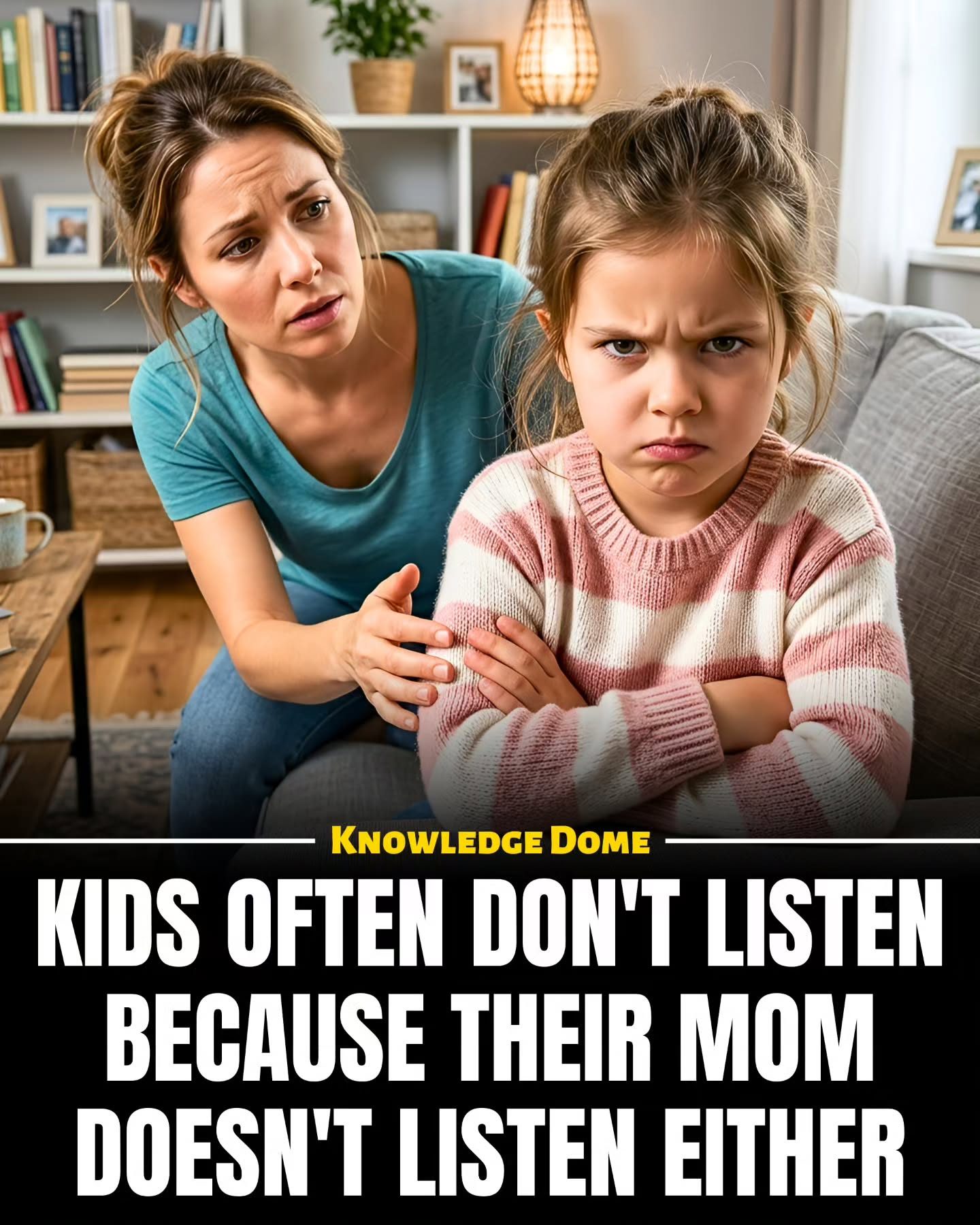
Parenting often presents a series of challenges that can be both frustrating and humorous. One common dynamic is the struggle between parents and children when it comes to listening. Children frequently mirror the listening behaviors they observe in their parents. When parents interrupt, ignore, or dismiss what their child says, the child may begin to feel that listening isn’t important in relationships. Over time, this behavior can become ingrained, leading to a cycle of poor communication within the home.
Why This Matters
The home environment plays a crucial role in shaping a child's behavior and communication skills. Children learn more from what they see than what they are told. If they feel respected, heard, and understood, they are more likely to listen, cooperate, and speak kindly. Conversely, if they sense indifference or disrespect, they may adopt similar attitudes. This influence extends beyond immediate interactions; it impacts their broader social interactions and future relationships.
The Impact of Parenting Styles on Listening
Modeling Good Listening
Children often learn by observing their parents. If a parent consistently listens actively to their child, the child is more likely to adopt similar behaviors. Conversely, if a parent dismisses or ignores their child’s words, the child may feel that their thoughts and feelings are unimportant. This can lead to a lack of respect for the value of listening in relationships.
Common Mistakes in Parenting
Several common parenting mistakes can inadvertently teach children to tune out:
- Asking Too Many Questions: Instead of giving clear instructions, some parents resort to asking multiple questions, which can confuse and frustrate children.
- Repeating Commands: Repeating the same command again and again can signal to the child that they do not need to listen the first time.
- Dismissing Feelings: Calling a child's feelings "imaginary" or "unimportant" can make the child feel invalidated and unheard.
- Distraction: Using a phone or device while a child is trying to talk can send the message that the child's words are not worth the parent's full attention.
The Role of Respect and Validation
Children are more likely to listen when they feel respected. Good listening involves more than just hearing; it requires acknowledging and validating the child's feelings. When parents validate their child's emotions before giving instructions, they create a more receptive environment for communication. Clear, concise commands and calm follow-through when rules are not followed also help maintain a respectful and effective communication dynamic.
Parenting Tips for Effective Communication
Model Good Listening: The best way to improve listening is to model good listening first. Parents can stop what they are doing, look at their child, and listen carefully. This shows the child that their words and feelings are valued.
Speak Clearly: When giving instructions, use clear and concise language. Avoid ambiguity to ensure the child understands what is expected.
Validate Feelings: Before giving instructions, validate the child's feelings. This helps them feel heard and respected, making them more receptive to guidance.
Keep Commands Short: Short, clear commands are easier for children to understand and follow. Avoid long-winded explanations that can be confusing.
Follow Through Calmly: When rules are not followed, respond calmly and consistently. This reinforces the importance of the rules and shows the child that their actions have consequences.
Important Takeaways
- Children Learn by Observation: Children learn communication skills and behaviors by observing their parents. Modeling good listening and respectful interactions is crucial.
- The Home Environment Matters: The quality of communication in the home environment significantly impacts a child's behavior and communication skills.
- Avoid Common Mistakes: Be mindful of common mistakes such as asking too many questions, repeating commands, dismissing feelings, and using devices while interacting with your child.
- Respect and Validation: Validating a child's feelings and showing respect in interactions fosters a positive and receptive environment for communication.
Conclusion
Parenting involves a delicate balance of guidance, respect, and active listening. Children often learn how to listen by watching how their parents listen to them. By modeling good listening habits, validating feelings, and providing clear, concise instructions, parents can foster a home environment that encourages respectful and effective communication. This, in turn, can lead to better behavior and stronger relationships within the family and beyond.
Watch the Reel
Questions readers ask
How does a parent's listening behavior influence a child's listening skills?
A parent's listening behavior significantly impacts a child's listening skills. When parents actively listen, they model respectful communication, encouraging children to do the same. Conversely, when parents interrupt or dismiss what their child says, the child may adopt similar behaviors, leading to a cycle of poor listening habits.
What are some ways parents can actively listen to their children?
Parents can actively listen to their children by giving them full attention, showing they understand, and responding thoughtfully. This includes maintaining eye contact, avoiding distractions, and reflecting back what the child has said to ensure understanding.
How does the home environment affect a child's listening skills development?
The home environment plays a pivotal role in a child's listening skills development. A positive, respectful atmosphere where children feel heard and understood fosters better listening skills. Conversely, a home where communication is disrespectful or dismissive can hinder a child's ability to listen effectively.
Why is it important for parents to model good listening habits?
Modeling good listening habits is crucial because children often mimic their parents' behaviors. By demonstrating respectful and attentive listening, parents can help their children develop strong communication skills and foster a positive environment for open dialogue.
What are the consequences of interrupting or dismissing a child's thoughts?
Interrupting or dismissing a child's thoughts can undermine their self-esteem and make them feel unimportant. Over time, this can lead to a breakdown in communication, as the child may become less inclined to share their thoughts or listen to others, perpetuating a cycle of poor communication.
How can parents help improve their child's listening skills at home?
Parents can help improve their child's listening skills by engaging in regular conversations, showing genuine interest in their child's thoughts and feelings, and rewarding attentive behavior. By providing a supportive and communicative environment, parents can nurture their child's ability to listen effectively.
Why is respectful communication important in teaching listening skills to kids?
Respectful communication is paramount in teaching listening skills to kids because it sets a positive example. When children experience respectful, attentive listening, they are more likely to reciprocate, fostering a foundation of mutual respect and understanding within the family.
Recent articles
Fresh deep dives from the latest Reels we unpacked.




Comments
Be the first to comment.