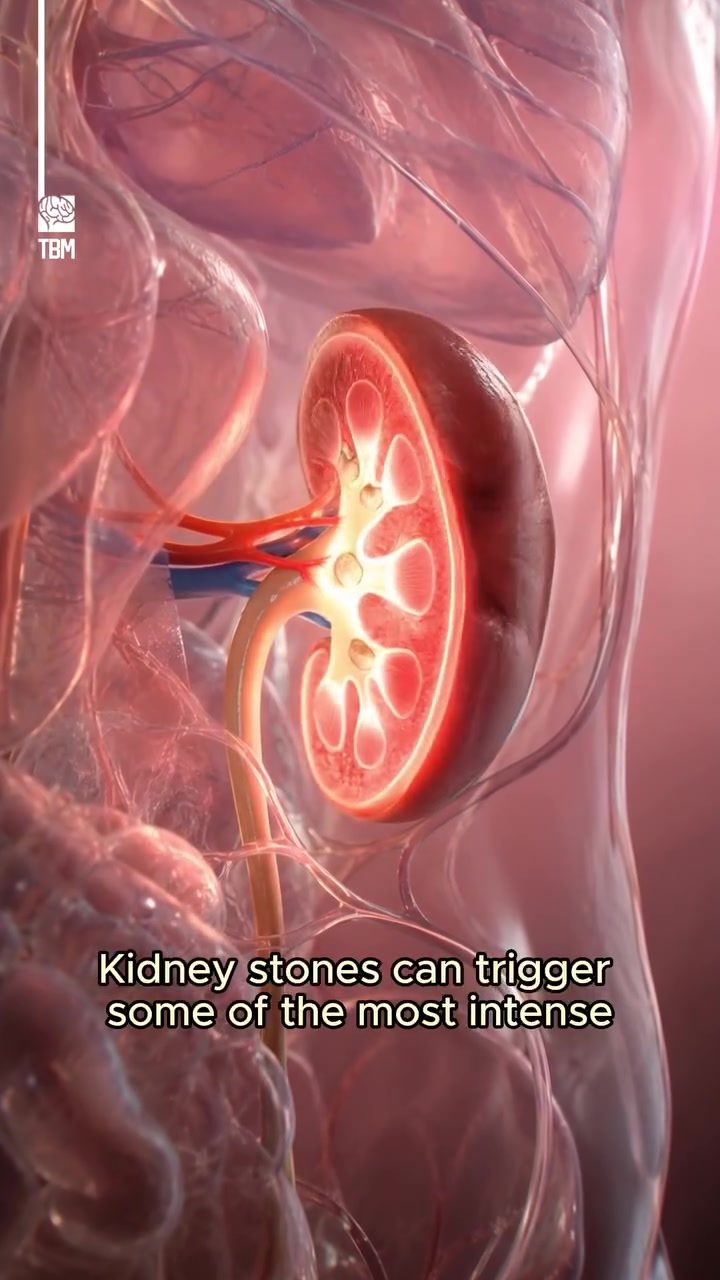
Kidney stones are notorious for causing excruciating pain, often described as one of the most intense sensations the human body can experience. Understanding why these tiny stones can cause such severe discomfort involves delving into the intricate workings of the urinary tract. This article explores the journey of a kidney stone from formation to passage, highlighting the key factors that contribute to the intense pain.
Context / Why this matters
Kidney stones, also known as renal calculi, are solid deposits of minerals and salts that form inside the kidneys. These stones can vary in size and shape, but even the smallest ones can lead to significant health issues. The pain associated with kidney stones is not merely a minor inconvenience; it can be debilitating and often requires immediate medical attention. This discussion aims to provide a clear picture of the physiological processes at play and how they contribute to the pain.
Main discussion
The journey of a kidney stone
The pain typically begins when a stone leaves the kidney and enters the ureter, the narrow tube that carries urine to the bladder. The ureter is only a few millimeters wide, making it easy for even a small stone to become lodged or scrape against its lining. This obstruction blocks the normal flow of urine, causing pressure to build up inside the kidney.
Pressure and muscle spasms
In response to the obstruction, the muscles of the ureter contract in powerful waves to push the stone toward the bladder. This muscular action, combined with the rising pressure, creates a potent mix of discomfort. The ureter muscles work tirelessly to expel the stone, leading to severe cramping pain.
Nerve stimulation
At the same time, the stone irritates the sensitive lining of the ureter, activating pain-sensing nerves. The combination of rising pressure, muscle spasms, and nerve stimulation creates a type of pain known as renal colic. The sensations can be so intense that they often lead to nausea, vomiting, and a general feeling of discomfort.
Changes in pain location
As the stone moves lower through the urinary tract, the pain shifts in location. Initially, it is felt in the side and lower back. As the stone descends, the pain often radiates toward the lower abdomen and groin. This shift in pain location can be disorienting and is a key indicator that a stone is moving through the system.
The passage of the stone
The pain persists until the stone finally passes or is removed. This can take hours or even days, depending on the size and position of the stone. During this time, the body's natural mechanisms work to expel the stone, but the process can be extremely uncomfortable.
Practical tips
Hydration
One of the most effective ways to prevent kidney stones is to stay well-hydrated. Drinking plenty of water helps dilute the substances in urine that form stones, making it less likely for stones to develop. Aim for at least 8-10 glasses of water a day.
Diet and lifestyle
Certain dietary changes can also reduce the risk of kidney stones. Limiting foods high in oxalates, such as spinach and rhubarb, and reducing sodium intake can be beneficial. Additionally, maintaining a balanced diet rich in fruits, vegetables, and lean proteins can help keep the urinary tract healthy.
Medical interventions
For those who frequently experience kidney stones, medical interventions may be necessary. This can include medications to manage pain and inflammation, as well as procedures to remove larger stones that cannot pass naturally. Consulting a healthcare provider is essential for personalized advice and treatment options.
Recognizing symptoms
Knowing the symptoms of a kidney stone can help manage the pain more effectively. Common signs include severe pain in the side and back, pain that radiates to the lower abdomen and groin, nausea, vomiting, and a persistent need to urinate. If these symptoms occur, seeking medical attention promptly is crucial.
Important takeaways
Kidney stones can cause some of the worst pain imaginable due to the combination of pressure, muscle spasms, and nerve stimulation. Understanding the journey of a kidney stone through the urinary tract provides insights into why the pain can be so severe and how it shifts as the stone moves. Preventive measures, such as staying hydrated and maintaining a healthy diet, can significantly reduce the risk of developing kidney stones. If you experience symptoms, seeking prompt medical attention can help manage the pain and prevent complications.
Conclusion
The intense pain associated with kidney stones is a result of the body's natural response to an obstruction in the urinary tract. By understanding the physiological processes involved, one can better appreciate the severity of the condition and the importance of preventive measures. Staying hydrated, maintaining a balanced diet, and recognizing symptoms are key steps in managing and preventing kidney stones. If you or someone you know is experiencing kidney stone pain, seeking medical advice is essential for effective treatment and relief.
Watch the Reel
Questions readers ask
What are the initial symptoms of kidney stones?
The initial symptoms of kidney stones often include a sharp, cramping pain in the back or side, which can move to the lower abdomen or groin as the stone progresses. Other symptoms may include blood in the urine, nausea, vomiting, and a persistent need to urinate.
Why do kidney stones cause such intense pain?
Kidney stones cause intense pain due to their journey through the urinary tract. The stone can block urine flow, leading to muscle spasms, increased pressure, and irritation of the urinary tract lining. This triggers nerve stimulation, sending severe pain signals to the brain.
How does a kidney stone move through the urinary tract?
A kidney stone typically begins its journey in the kidney, then travels down the ureter, which is a narrow tube connecting the kidney to the bladder. The stone can cause intermittent pain as it moves, stopping and starting along its path, which can result in varying levels of discomfort and pressure.
What can I do to relieve the pain from a kidney stone?
Pain relief for kidney stones often involves over-the-counter pain relievers like ibuprofen. Prescription medications, such as alpha blockers, can help your muscles and stones pass more easily. Additionally, staying hydrated and drinking plenty of water is essential to help the stone move through the urinary tract.
What treatments are available for kidney stones?
Treatment options for kidney stones depend on the size and location of the stone. Small stones can often pass on their own with proper hydration. Larger stones may require medical intervention, such as shock wave lithotripsy, ureteroscopy, or percutaneous nephrolithotomy, which are procedures to break up or remove the stones.
How can I prevent kidney stones from forming?
Preventing kidney stones involves staying well-hydrated, maintaining a balanced diet low in salt and animal protein and rich in fruits, vegetables, and whole grains. Additionally, reducing the intake of foods high in oxalates, such as spinach and rhubarb, can also help. If you have a history of stones, your healthcare provider may recommend specific dietary changes and medications to reduce the risk.
What should I do if I suspect I have a kidney stone?
If you suspect you have a kidney stone, it's crucial to consult a healthcare provider immediately. They can perform tests, such as imaging studies, to confirm the presence of a stone and determine the appropriate course of treatment. In the meantime, staying hydrated and managing pain with appropriate medication can help alleviate discomfort until medical intervention.
Related deep dives
Similar reads based on topic and creator.

Recent articles
Fresh deep dives from the latest Reels we unpacked.




Comments
Be the first to comment.