Kidney Stones: A Silent Health Threat
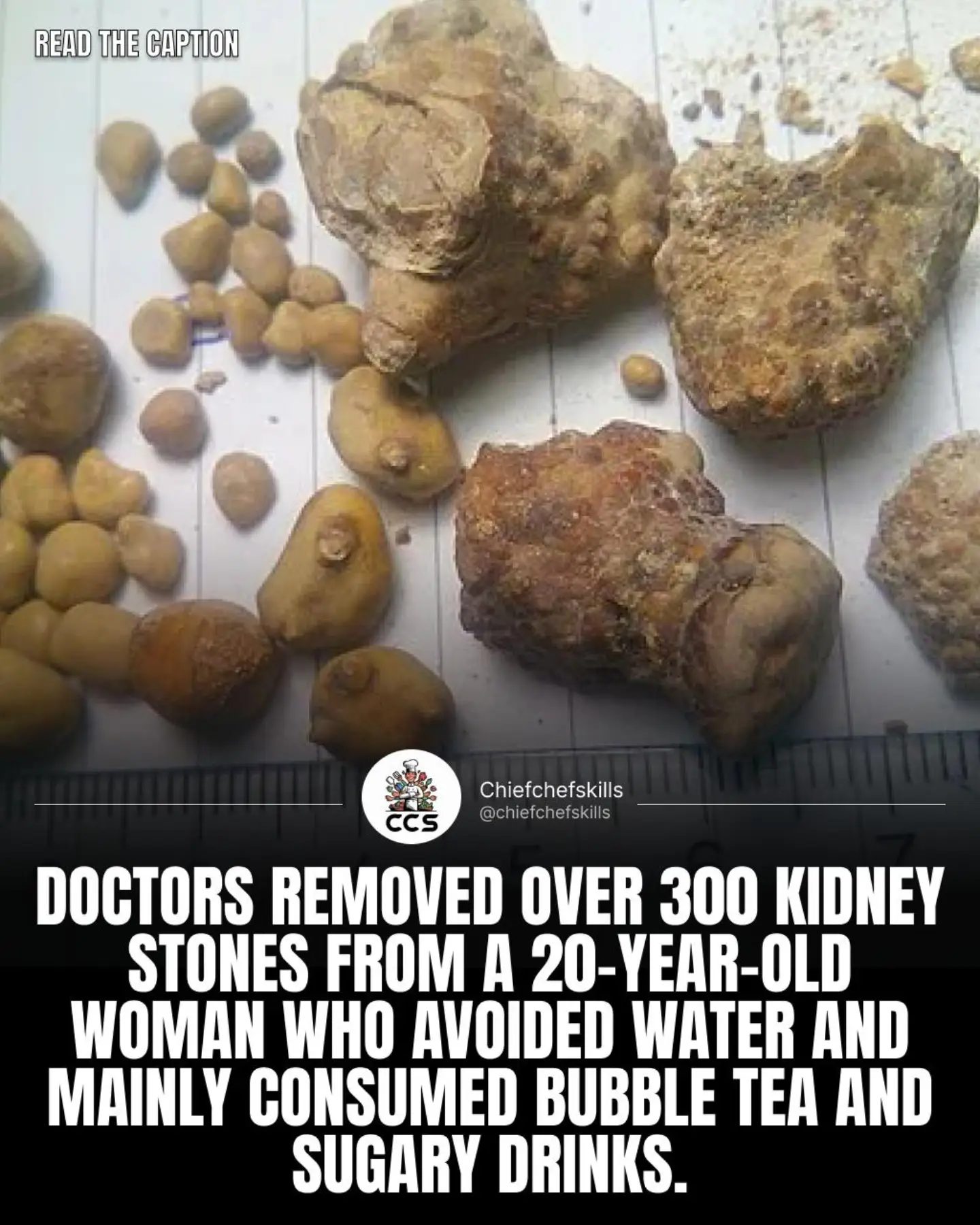
Kidney stones, a condition that affects millions worldwide, can have severe and debilitating consequences. A recent case in Taiwan highlighted the dangers of neglecting hydration, as a 20-year-old woman was found to have over 300 kidney stones, ranging from 5 mm to 2 cm in size. This alarming case serves as a stark reminder of the importance of staying hydrated and understanding the risks associated with kidney stones.
Why Hydration and Diet Matter
Hydration plays a crucial role in maintaining kidney health. The kidneys filter waste and excess fluids from the blood, creating urine. Adequate water intake helps to dilute the minerals and substances that can form stones. In the case of the 20-year-old woman, her condition was directly linked to chronic dehydration. She rarely drank water and often opted for sugary drinks, including bubble tea, instead. This lifestyle contributed to the formation of a large number of kidney stones, leading to severe pain and hospitalization.
Understanding Kidney Stones
Kidney stones are hard deposits made of minerals and salts that form inside the kidneys. They can vary in size and shape, and their composition can differ based on individual factors such as diet, genetics, and overall health. The most common types of kidney stones include:
- Calcium stones: Usually made of calcium oxalate, these are the most common type.
- Struvite stones: These form in response to an infection and are more common in women with urinary tract infections.
- Uric acid stones: These form when the urine is persistently acidic.
- Cystine stones: These are rare and occur in individuals with a hereditary disorder that causes the kidneys to excrete too much of certain amino acids.
The Role of Diet and Hydration
The composition and formation of kidney stones can be influenced by dietary factors. Consuming a diet high in sodium, sugar, and protein can increase the risk of developing stones. For example, excessive consumption of sugary drinks and foods can lead to higher levels of uric acid and calcium in the urine, increasing the likelihood of stone formation.
In contrast, maintaining proper hydration can significantly reduce the risk. Water helps to dilute the substances that can form stones, making them less likely to crystallize and aggregate. Moreover, adequate water intake promotes regular urination, which helps to flush out potential stone-forming substances from the urinary tract.
The Impact of Sugary Drinks
Sugary drinks, including bubble tea and fruit juices, are often perceived as healthy alternatives to soda. However, these beverages can be high in sugar and calories, contributing to overall health issues, including kidney stone formation. The excessive sugar in these drinks can lead to higher levels of uric acid in the body, which is a major risk factor for kidney stones.
Symptoms and Diagnosis
Kidney stones can cause a range of symptoms, from mild discomfort to severe pain. Common symptoms include:
- Sharp, cramping pain in the lower back or side
- Pain that radiates to the lower abdomen and groin
- Painful urination
- Frequent urge to urinate
- Cloudy or strong-smelling urine
- Nausea and vomiting
- Fever and chills (if an infection is present)
If you experience these symptoms, it is essential to seek medical attention. Diagnosing kidney stones typically involves imaging tests such as X-rays, ultrasound, or CT scans. These tests help determine the size, location, and number of stones present.
Treatment Options
Treatment for kidney stones depends on their size, location, and composition. Smaller stones may pass on their own with adequate hydration and pain management. Larger stones, however, may require more invasive procedures, such as:
- Extracorporeal Shock Wave Lithotripsy (ESWL): This non-invasive procedure uses sound waves to break the stones into smaller pieces that can pass more easily.
- Ureteroscopy: A thin, flexible tube with a camera is inserted through the urethra to locate and remove the stone.
- Percutaneous Nephrolithotomy (PCNL): This procedure involves making a small incision in the back to remove larger stones from the kidney.
In the case of the 20-year-old woman in Taiwan, surgeons successfully removed the stones through a minimally invasive procedure, highlighting the importance of early detection and intervention.
Practical Tips for Prevention
Preventing kidney stones involves a combination of lifestyle changes and dietary adjustments. Here are some practical tips to help reduce the risk:
- Stay Hydrated: Drink plenty of water throughout the day. Aim for at least 8-10 glasses of water daily, especially in hot weather.
- Limit Sugary and Salty Foods: Reduce your intake of sugary drinks, processed foods, and high-sodium foods.
- Maintain a Balanced Diet: Incorporate a variety of fruits, vegetables, and lean proteins into your diet. Foods high in calcium, such as dairy products, can help reduce the risk of certain types of kidney stones.
- Monitor Urine pH: Maintain a balanced urine pH by avoiding excessive amounts of protein and purine-rich foods, which can increase uric acid levels.
- Regular Check-ups: Regular medical check-ups can help monitor kidney function and detect any potential issues early.
Important Takeaways
The case of the 20-year-old woman in Taiwan serves as a sobering reminder of the importance of staying hydrated and maintaining a balanced diet. Chronic dehydration and excessive consumption of sugary drinks can lead to severe health complications, including the formation of kidney stones. By understanding the risks and taking proactive steps, individuals can significantly reduce their likelihood of developing this painful condition.
Conclusion
Kidney stones are a serious health issue that can have significant impacts on an individual's quality of life. Proper hydration, a balanced diet, and regular medical check-ups are essential for preventing and managing kidney stones. By staying informed and taking proactive steps, individuals can protect their kidney health and avoid the debilitating consequences of this condition.
Watch the Reel
Questions readers ask
What are the common symptoms of kidney stones?
Kidney stone symptoms can include intense pain in the back or side, blood in the urine, nausea, and vomiting. Some people may also experience pain during urination or a persistent need to urinate. If you experience these symptoms, it's important to seek medical attention promptly.
How does dehydration contribute to the formation of kidney stones?
Dehydration reduces the amount of urine produced, which concentrates the minerals and substances that can form kidney stones. Adequate hydration helps to dilute these substances, making it less likely for stones to form.
What dietary factors can help prevent kidney stones?
Maintaining a balanced diet that is low in sodium, sugar, and animal protein can help prevent kidney stones. Increasing your intake of fruits and vegetables, especially those rich in citrate, can also be beneficial. Foods like lemons, oranges, and grapefruits are good options.
What are the dangers of neglecting hydration for kidney health?
Neglecting hydration can lead to severe health issues, including the formation of kidney stones, urinary tract infections, and even kidney failure in extreme cases. Staying hydrated is essential for maintaining overall kidney function and preventing these conditions.
What are the treatment options for kidney stones?
Treatment for kidney stones depends on the size and type of the stone, as well as the severity of symptoms. Small stones may pass on their own with adequate hydration and pain management. Larger stones might require procedures such as shock wave lithotripsy, ureteroscopy, or percutaneous nephrolithotomy for removal.
Are women more at risk for kidney stones than men?
Kidney stones can affect both men and women, but men are generally more prone to developing them. However, women can still develop kidney stones, especially if they become dehydrated, have dietary deficiencies, or experience hormonal changes, such as during pregnancy or menopause.
How much water should I drink to prevent kidney stones?
Staying hydrated is key to preventing kidney stones. The recommended daily water intake can vary, but generally, drinking 6-8 glasses of water a day is a good starting point. This can be adjusted based on your individual needs, activity level, and climate. It's also important to drink water throughout the day, rather than all at once.
Recent articles
Fresh deep dives from the latest Reels we unpacked.




Comments
Be the first to comment.