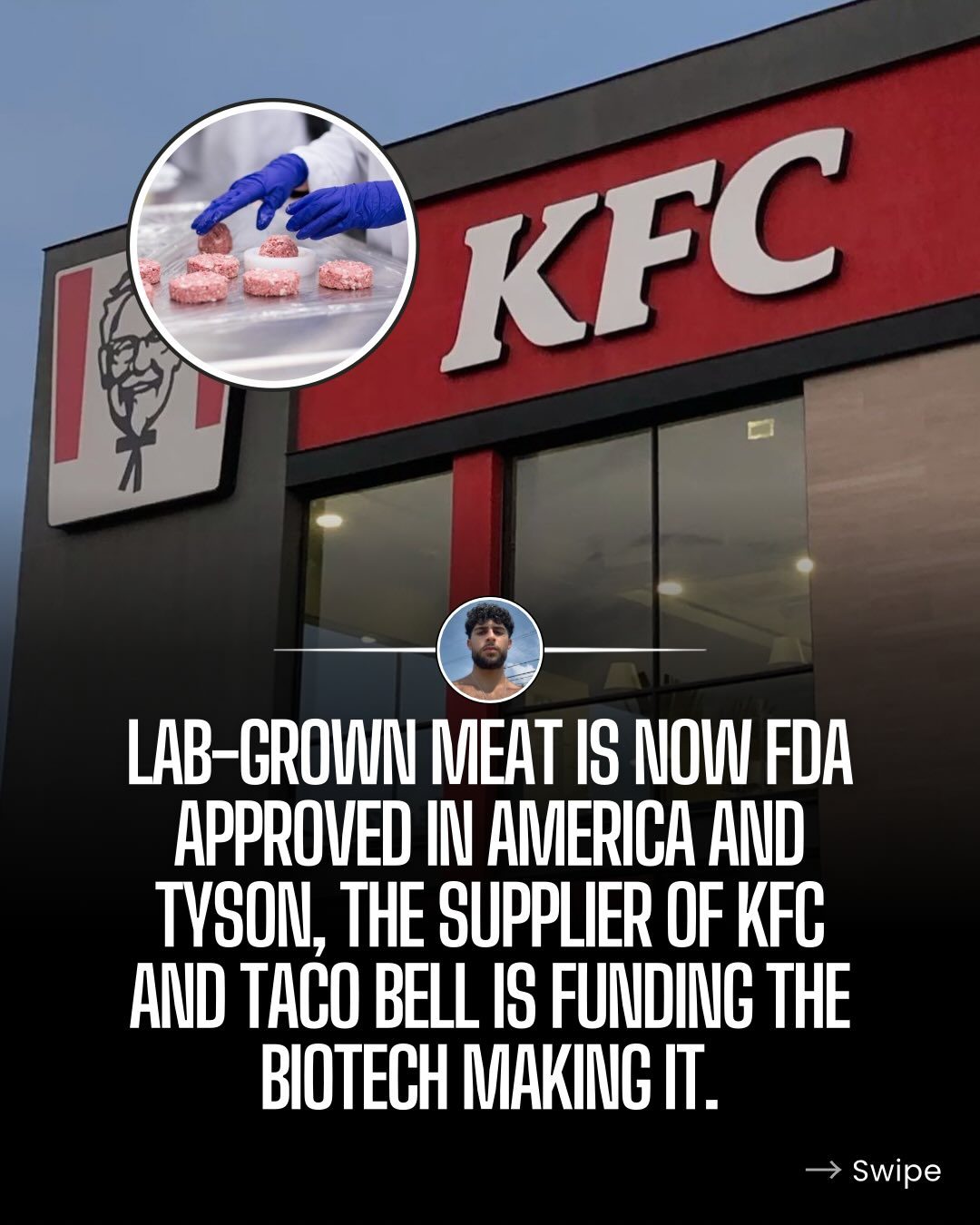
Chicken, Lab-Grown Meat and Tyson Foods : Understanding the Connection to KFC
Lab-grown meat has become a hot topic, and Tyson Foods, a major supplier for KFC and other leading brands, has been at the forefront of this innovation. Tyson Foods has been investing in lab-grown meat technology since 2018, making it a key player in the future of sustainable protein sources.
Understanding Lab-Grown Meat
Lab-grown meat, also known as cultured meat, is produced by in vitro cultivation of animal cells, rather than from slaughtered animals. This process involves taking muscle cells from a living animal and growing them in a nutrient-rich medium, typically inside a bioreactor. The resulting meat can be processed into various products, such as chicken nuggets or ground beef. The FDA approved lab-grown meat in America, which is a significant step towards commercialization.
Tyson Foods' Role in Lab-Grown Meat
Tyson Foods, a major supplier of chicken and other proteins, has been at the forefront of this innovative food technology. Tyson Foods is the primary chicken supplier for several major brands, including KFC, McDonald's, Walmart, and Kroger. This strategic position places Tyson Foods in a unique position to influence the future of the meat industry.
Why Tyson Foods is Investing in Lab-Grown Meat
Tyson Foods' investment in lab-grown meat is driven by several factors, including sustainability, ethical concerns, and market demand. The traditional meat industry has faced criticism for its environmental impact, including greenhouse gas emissions, water usage, and land degradation. Lab-grown meat offers a more sustainable alternative, as it requires fewer resources to produce.
Furthermore, there is a growing consumer demand for ethical and environmentally friendly food products. Lab-grown meat addresses these concerns by providing a cruelty-free alternative to traditional meat. This shift in consumer preferences is driving the demand for lab-grown meat, and Tyson Foods is positioning itself to meet this demand.
Tyson Foods’ Partnerships and Investments
Tyson Foods has been funding the biotech making lab-grown meat since 2018, demonstrating a long-term commitment to this technology. The company has partnered with several biotech firms to develop and scale lab-grown meat production. These partnerships allow Tyson Foods to leverage cutting-edge technology and expertise to bring lab-grown meat to the market.
Tyson Foods' investment in lab-grown meat is part of a broader strategy to diversify its product offerings and stay ahead of industry trends. By investing in this innovative technology, Tyson Foods is positioning itself as a leader in the future of protein production. This strategy not only supports the company's long-term growth but also aligns with consumer preferences for sustainable and ethical food products.
The Connection to KFC
KFC, one of the world's largest fast-food chains, sources a significant portion of its chicken from Tyson Foods, making Tyson's investments in lab-grown meat particularly relevant to KFC. Tyson Foods is the primary supplier for KFC under Yum! Brands, as well as for other major brands like McDonald’s and Walmart. Tyson Foods' involvement in lab-grown meat technology could potentially reshape the future of KFC’s menu offerings.
Potential Impact on the Menu
The introduction of lab-grown meat into KFC’s menu could have several implications. First, it would offer customers a more sustainable and ethical choice. Additionally, it could help KFC meet the growing demand for plant-based and alternative protein options. While KFC has not yet announced plans to incorporate lab-grown meat into its menu, the possibility is on the horizon.
Sustainability and Ethical Considerations
Lab-grown meat aligns with KFC’s ongoing efforts to improve sustainability and ethical standards. By sourcing from suppliers like Tyson Foods, KFC can offer its customers a more environmentally friendly and ethical product. This move would likely be well-received by consumers who are increasingly concerned about the environmental and ethical impacts of their food choices.
Practical Tips for Consumers
For consumers, understanding the implications of lab-grown meat is essential. As this technology becomes more prevalent, consumers will have more choices when it comes to their protein sources. Here are some practical tips for navigating this new landscape:
How to Find Lab-Grown Meat
Lab-grown meat is still in its early stages of commercialization, but it is becoming more widely available. Consumers can stay informed by following news and developments in the food industry and looking for lab-grown meat options in restaurants and grocery stores. As brands like KFC begin to incorporate lab-grown meat into their menus, consumers will have more opportunities to try this innovative product.
Support for Sustainable Choices
By choosing lab-grown meat, consumers can support sustainable and ethical food production practices. This choice not only benefits the environment but also aligns with growing consumer preferences for more responsible food choices. By supporting brands that invest in lab-grown meat, consumers can help drive the industry towards more sustainable practices.
Important Takeaways
As lab-grown meat continues to gain traction, it is essential to understand its implications for the future of food. Tyson Foods' investment in this technology, in conjunction with its role as a primary supplier for KFC, underscores the potential for significant changes in the food industry. By embracing lab-grown meat, consumers can support more sustainable and ethical food choices.
Conclusion
Lab-grown meat represents a significant shift in the food industry, offering a more sustainable and ethical alternative to traditional meat production. Tyson Foods, as a major supplier for KFC and other leading brands, is at the forefront of this innovation. By investing in lab-grown meat technology, Tyson Foods is helping to shape the future of protein production, paving the way for a more sustainable and ethical food landscape. As consumers, staying informed about these developments and supporting sustainable choices can contribute to a healthier and more responsible food industry.
Watch the Reel
Questions readers ask
What is lab-grown meat and how is it produced?
Lab-grown meat, or cultured meat, is created through in vitro cultivation of animal cells. The process involves taking muscle cells from a living animal and growing them in a nutrient-rich medium, often within a bioreactor, to produce meat without the need for animal slaughter.
Why is Tyson Foods investing in lab-grown meat technology?
Tyson Foods, a major supplier for KFC and other brands, has been investing in lab-grown meat technology since 2018. This move supports the company's commitment to sustainable protein sources and addresses growing environmental and consumer concerns about traditional meat production.
How does KFC benefit from Tyson Foods' involvement in lab-grown meat?
As a key supplier, Tyson Foods' investment in lab-grown meat technology positions KFC to offer more sustainable and ethical meat options in the future. This aligns with the fast-food chain's efforts to adapt to changing consumer preferences for environmentally friendly and ethically sourced products.
What advantages does lab-grown meat offer over traditional meat?
Lab-grown meat provides several benefits, including reduced environmental impact, as it requires fewer resources like land and water. It also addresses ethical concerns by eliminating the need for animal slaughter, offering a more compassionate alternative to traditional meat production.
What role does Tyson Foods play in the future of the meat industry?
Tyson Foods is a significant player in the future of the meat industry by pioneering lab-grown meat technology. This innovation supports the development of sustainable protein sources, potentially transforming how meat is produced and consumed in the coming decades.
How does the production of lab-grown meat compare to traditional meat production?
Lab-grown meat production is fundamentally different from traditional meat production. It does not involve raising and slaughtering animals, but rather cultivating animal cells in a controlled environment. This method reduces waste, emissions, and the ethical concerns associated with conventional meat production.
What does the partnership between KFC and Tyson Foods mean for consumers?
The partnership between KFC and Tyson Foods means that consumers may soon have access to more sustainable and ethically produced meat options. KFC's association with Tyson's lab-grown meat technology indicates a shift towards more environmentally friendly and ethical choices in the fast-food industry.
Recent articles
Fresh deep dives from the latest Reels we unpacked.




Comments
Be the first to comment.