Egg Tarts and Battery Scares: Food Safety in the Spotlight
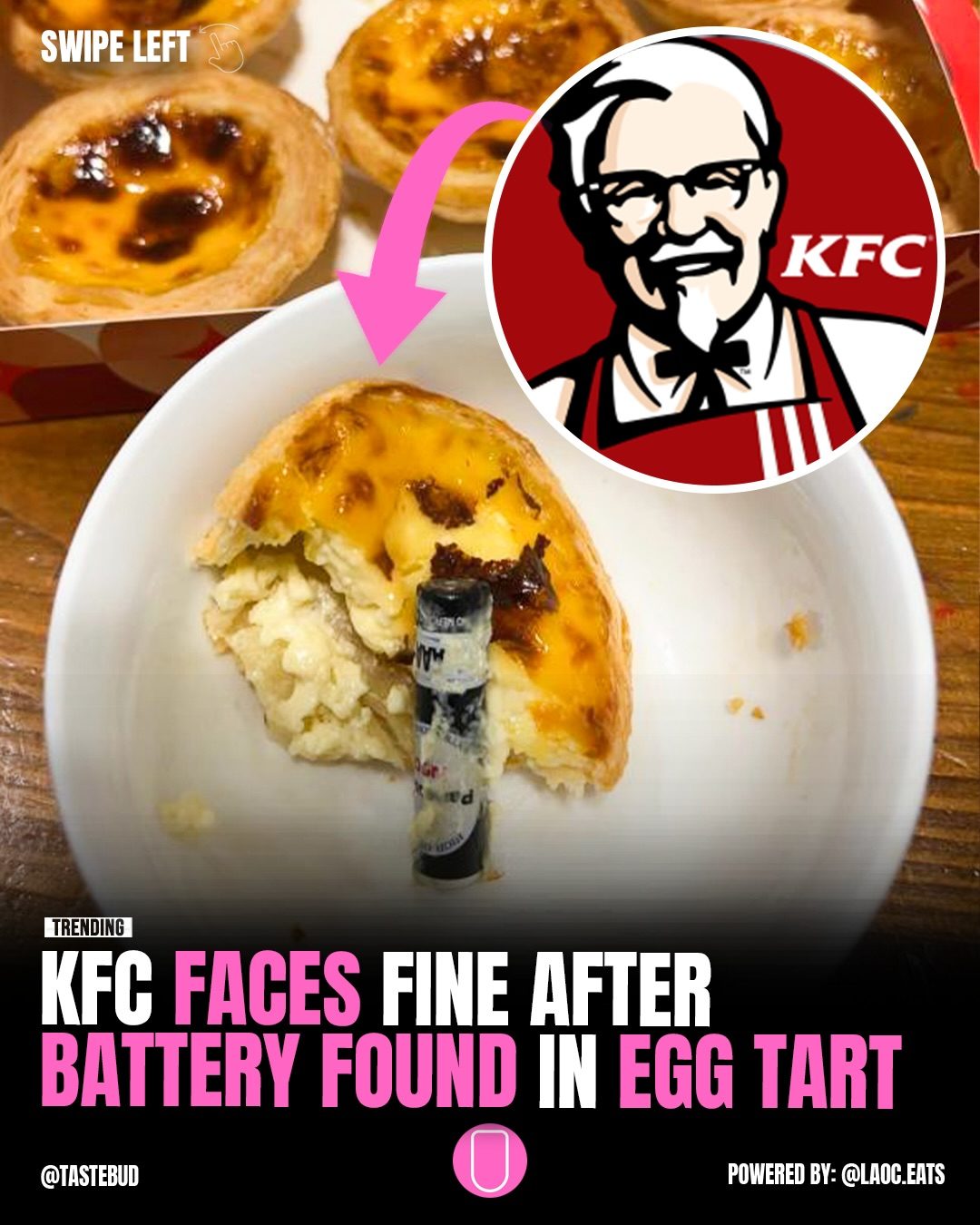
The recent incident at a KFC location in Kaohsiung, Taiwan, where a customer found a AAA battery inside an egg tart, has caused a stir in the food safety community. This alarming discovery has led to potential fines of up to NT$200 million for the franchise, depending on the investigation’s outcome. Local health authorities are now scrutinizing food safety procedures, as the case has garnered widespread attention online.
Why Food Safety Matters in the Food Industry
Food safety is a critical component of the food industry, ensuring that consumers can trust the products they purchase. A battery in an egg tart is an extreme and alarming contamination, but it underscores the broader importance of strict safety protocols. Food safety is not just about preventing contamination; it's about maintaining consumer trust, complying with regulations, and ensuring public health.
The Incident: What Happened?
The incident unfolded when a customer discovered a AAA battery inside an egg tart, which led to an immediate investigation by health authorities. The culprit, as revealed by security footage, was an employee who accidentally dropped a timer into a tray of unbaked tarts. The battery, likely used as a timer for cooking, fell into the tarts and was baked in. This incident serves as a stark reminder of the potential for foreign objects to enter the food supply chain.
The Impact on KFC
The repercussions for KFC have been severe. The potential NT$200 million fine is a significant financial penalty, but the damage to the brand's reputation is equally, if not more, detrimental. When customers hear about foreign objects in their food, it erodes their trust, leading to potential long-term losses in customer loyalty and market share.
Health Authorities' Response
The local health authorities’ timely intervention is crucial in addressing this incident. By thoroughly investigating the food safety procedures, they aim to prevent similar incidents in the future. Their scrutiny not only holds KFC accountable but also serves as a cautionary tale for other food establishments.
Practical Tips for Ensuring Food Safety
Employee Training
Staff training is the cornerstone of food safety. Employees should be well-versed in handling and preparing food, including recognizing and avoiding contamination risks. Regular refresher courses and strict adherence to safety protocols can significantly reduce the chances of such incidents.
Regular Inspections
Regular inspections of food preparation areas are essential. These inspections should cover everything from the cleanliness of work surfaces to the handling of ingredients. Ensuring that all equipment is in good working order and that proper cleaning and sanitation procedures are followed is vital.
Strict Procedures for Foreign Objects
A robust procedure to prevent foreign objects from entering the food supply chain is crucial. This includes measures such as using specific storage areas for tools and equipment, mandatory safety checks during the preparation process, and clear protocols for what to do if a foreign object is discovered.
Important Takeaways
This incident highlights the importance of vigilance and adherence to food safety protocols. It underscores the necessity for constant monitoring and training. The consequences of a breach in food safety standards are severe, affecting not just the business but also public health and consumer trust.
Importance of Monitoring
Continuous monitoring of food preparation processes is indispensable. This includes regular inspections, employee training, and implementing systems for catching and rectifying errors before they reach the consumer.
Transparency
Transparency in dealing with incidents is crucial. This includes promptly addressing issues, being transparent about the corrective actions taken, and communicating effectively with stakeholders and the public.
Ensuring Public Trust
Public trust is a cornerstone of the food industry. Maintaining this trust through stringent food safety measures is essential. In the wake of the KFC incident, it’s clear that even minor lapses can have major repercussions. Ensuring that consumers feel safe and confident in the products they consume is a collective responsibility.
Conclusion
The KFC egg tart incident in Kaohsiung, Taiwan, serves as a stark reminder of the importance of strict food safety measures. From employee training to regular inspections and transparent communication, every step counts in maintaining public trust and ensuring the safety of food products. The repercussions of this incident underscore the need for vigilance and adherence to safety protocols. As the industry continues to evolve, so must the measures to safeguard both public health and consumer trust.
Watch the Reel
Questions readers ask
What was the specific incident that led to the food safety investigation at the KFC location in Kaohsiung, Taiwan?
An employee inadvertently dropped a timer containing a AAA battery into a tray of unbaked egg tarts. The battery was later discovered by a customer, sparking a food safety review and potential fines.
What are the potential consequences for KFC following the battery incident?
KFC may face fines of up to NT$200 million, depending on the outcome of the health authorities' investigation. The severity of the penalty will be determined by the extent of the health violations and the thoroughness of the food safety protocols.
How has this incident impacted the public's perception of food safety in the restaurant industry?
This incident has raised public awareness about the importance of strict food safety protocols in the restaurant industry, and has highlighted the risks of contamination that can occur when safety measures are not rigorously enforced.
What steps should restaurants take to prevent similar incidents from occurring?
Restaurants should implement and regularly review their food safety procedures, ensure proper employee training, and conduct thorough inspections of food preparation areas. It's crucial to maintain a clean and safe environment to prevent any potential contamination.
What actions are local health authorities taking in response to the KFC battery incident?
Local health authorities in Taiwan are conducting a detailed investigation into the incident and scrutinizing KFC's food safety procedures. They are reviewing the franchise's protocols to ensure compliance with food safety standards and to prevent future contamination incidents.
What should customers do if they suspect food contamination or find a foreign object in their food?
Customers who suspect food contamination or find a foreign object in their food should immediately inform the restaurant staff and local health authorities. It's essential to document the incident and follow up to ensure that proper actions are taken to address the issue and prevent future occurrences.
Related deep dives
Similar reads based on topic and creator.


Recent articles
Fresh deep dives from the latest Reels we unpacked.




Comments
Be the first to comment.