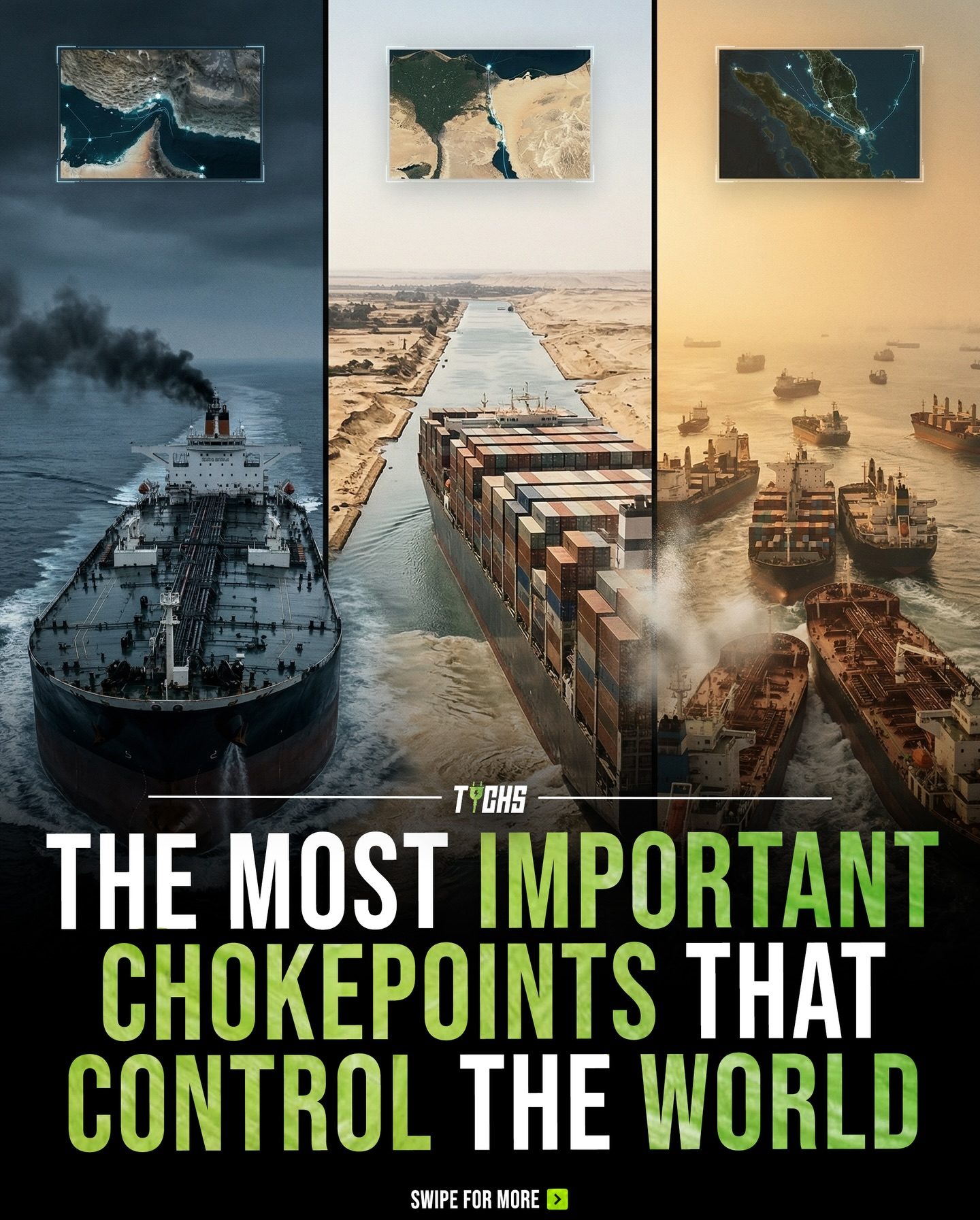
Global Trade Chokepoints
These narrow passages have a significant impact on the global economy, connecting major trade routes between oceans and handling substantial portions of global trade and energy flow.
Why This Matters
Global trade chokepoints are crucial for understanding the dynamics of international commerce and geopolitics. These strategic locations influence not only the flow of goods but also the geopolitical landscape, making them vital for economies and energy security.
Main Discussion
The Bosphorus Strait
The Bosphorus Strait is a critical waterway that connects the Black Sea and the Mediterranean. This strategic passageway controls access to trade, linking Europe and Asia and significantly impacting regional trade flows and global energy exports.
The Suez Canal
The Suez Canal, which handles about 12% of global trade, is another crucial chokepoint. By allowing ships to pass directly between the Mediterranean and the Red Sea, it bypasses the need for ships to travel around Africa, significantly streamlining global trade routes.
The Strait of Hormuz
Carrying around 20% of global oil, the Strait of Hormuz is a vital corridor for energy exports. This narrow passage connects the Persian Gulf to the Gulf of Oman and the Arabian Sea, making it a critical route for oil tankers and energy supplies.
The Strait of Malacca
The Strait of Malacca is a major artery for global trade, connecting the Indian Ocean to the Pacific Ocean. It serves as a crucial link between major trade routes, handling significant volumes of maritime traffic and connecting key trade partners, particularly East Asia and Europe.
The Panama Canal
The Panama Canal links the Atlantic and Pacific Oceans, providing a vital shortcut for maritime trade. By facilitating the transport of goods between the two oceans, it enhances global trade efficiency and reduces travel distances.
The Bab el-Mandeb
The Bab el-Mandeb Strait connects the Red Sea to the Gulf of Aden and is a critical route for energy exports, particularly oil and natural gas, from the Middle East to global markets. Its significance underscores the importance of secure and efficient maritime transport for global energy security.
Practical Tips
For businesses and governments alike, understanding the strategic significance of these chokepoints is crucial. Here are some practical tips for navigating these critical trade routes:
Monitor Geopolitical Developments
Stay informed about political and economic developments in regions surrounding these chokepoints. Political instability, conflicts, or economic shifts can significantly impact trade flows and energy supplies.
Diversify Trade Routes
Consider diversifying trade routes to mitigate risks associated with reliance on a single chokepoint. By using alternative routes, businesses can minimize disruptions to supply chains and ensure the continuity of trade.
Invest in Maritime Security
Maritime security is paramount in these strategic waterways. Investing in security measures, including naval patrols and cybersecurity, can help protect trade routes from threats such as piracy and terrorist attacks.
Enhance Infrastructure
Upgrading and maintaining the infrastructure of these chokepoints can enhance their efficiency and capacity. This includes dredging, modernizing port facilities, and improving navigation aids to ensure smooth and efficient trade flows.
Engage in Strategic Partnerships
Form strategic partnerships with countries and organizations that have a vested interest in the stability and security of these chokepoints. Collaborating on trade and security initiatives can help ensure the uninterrupted flow of goods and energy.
Important Takeaways
Understanding the strategic significance of global trade chokepoints is essential for businesses, governments, and policymakers. These narrow passages play a pivotal role in shaping global trade and energy flows, making them critical for economic stability and geopolitical security.
By recognizing the importance of these chokepoints and taking proactive measures, stakeholders can mitigate risks and ensure the continuity of global trade and energy supplies. Whether it's monitoring geopolitical developments, diversifying trade routes, investing in maritime security, enhancing infrastructure, or forming strategic partnerships, these steps can help navigate the complexities of global trade and ensure sustainable economic growth.
Conclusion
Global trade chokepoints are the lifeblood of international commerce, connecting major trade routes and facilitating the flow of goods and energy. From the Bosphorus Strait to the Panama Canal, these strategic waterways play a crucial role in shaping the global economy.
By understanding their significance and taking proactive measures, stakeholders can navigate the complexities of global trade and ensure the continuity of essential supplies. Whether for businesses seeking to diversify their trade routes or governments aiming to enhance maritime security, recognizing the importance of these chokepoints is essential for maintaining economic stability and geopolitical security.
Watch the Reel
Questions readers ask
What are global trade chokepoints and why are they important?
Global trade chokepoints are narrow waterways that facilitate the movement of goods and energy between major oceans and continents. They are important because they handle substantial portions of global trade and energy flow, making them crucial for understanding international commerce and geopolitics. Disruptions in these areas can have significant economic and political repercussions.
Why is the Bosphorus Strait considered a critical global trade chokepoint?
The Bosphorus Strait is a vital global trade chokepoint due to its role in connecting the Black Sea and the Mediterranean. This strategic waterway significantly impacts regional trade flows and global energy exports, as it serves as a crucial link between Europe and Asia. It controls access to the trade routes and is vital for the geopolitical landscape.
What is the significance of the Suez Canal as a global trade chokepoint?
The Suez Canal is one of the most important global trade chokepoints, connecting the Mediterranean Sea and the Red Sea. It serves as a key route for maritime trade, handling a significant portion of global shipping traffic, particularly between Europe and Asia. Its strategic location makes it a linchpin for energy flow control and world trade routes.
How do global trade chokepoints influence energy security and trade dynamics?
Global trade chokepoints influence energy security and trade dynamics by controlling the flow of goods and energy, especially oil and natural gas, between major markets. Disruptions in these narrow waterways can lead to significant fluctuations in energy prices and supply, impacting economies around the world and affecting the geopolitical landscape.
Where are the most critical straits for trade located?
The most critical straits for trade are located in strategic locations around the world, including the Bosphorus Strait, the Suez Canal, the Strait of Hormuz, and the Strait of Malacca. These narrow waterway chokepoints connect major oceans and continents, facilitating the movement of goods and energy, and thus influencing the dynamics of international trade and geopolitics.
What are the implications of disruptions in key global trade chokepoints?
Disruptions in key global trade chokepoints can have far-reaching implications, including delays in trade, supply chain disruptions, and increased shipping costs. These disruptions can also affect energy security, leading to fluctuations in energy prices and potential shortages. Countries and businesses that rely on these routes must prepare for such contingencies to minimize their impact.
How do global trade chokepoints affect the geopolitical landscape?
Global trade chokepoints affect the geopolitical landscape by serving as strategic locations where control of trade and energy flow can be leveraged for political influence. Countries that control or dominate these chokepoints can exert significant power over global trade routes, influencing diplomatic relations and regional stability. Understanding these dynamics is essential for navigating the complexities of international relations and trade policies.
Recent articles
Fresh deep dives from the latest Reels we unpacked.




Comments
Be the first to comment.