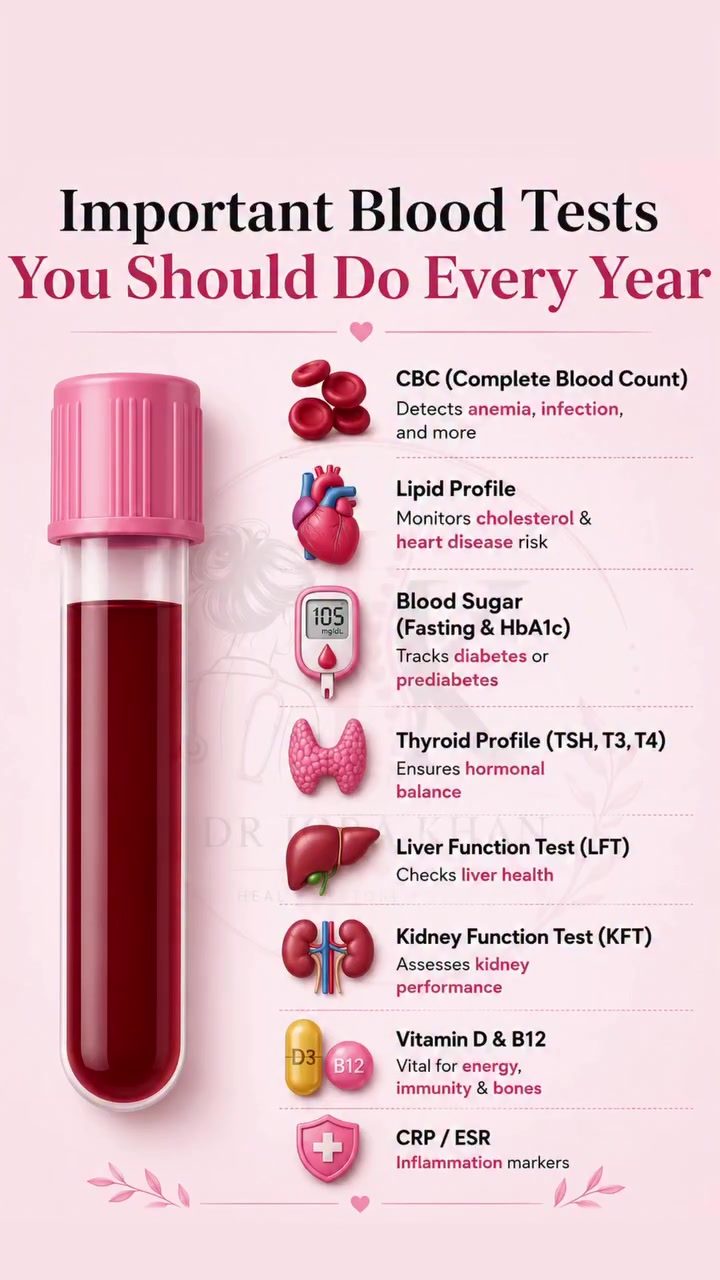
Important Blood Tests to Consider Every Year
Regular blood tests are a crucial part of preventive healthcare, helping to detect various health conditions early. However, not everyone needs every test annually. The specific tests you need depend on your age, medical history, symptoms, and individual risk factors.
Why Annual Blood Tests Matter
Annual blood tests serve as a proactive measure to monitor your health and catch potential issues before they become serious. They provide valuable insights into your body's functioning and can help in the early detection of diseases. The right tests can help identify conditions such as anemia, diabetes, heart disease, and kidney problems, among others. Regular check-ups can make a significant difference in managing and treating health conditions effectively.
Main Discussion
Complete Blood Count (CBC)
The Complete Blood Count (CBC) is one of the most commonly ordered blood tests. It provides a comprehensive overview of your overall health and can detect a range of conditions. The CBC measures various components and cells in your blood, including:
- White blood cells: Help fight infections.
- Red blood cells: Carry oxygen throughout the body.
- Hemoglobin: The protein in red blood cells that carries oxygen.
- Hematocrit: The proportion of red blood cells in your blood.
- Platelets: Help with blood clotting.
A CBC can help detect anemia, infections, and other blood-related disorders. It is often used as a baseline test for many conditions and can be crucial in diagnosing and monitoring various health issues.
Lipid Profile
The Lipid Profile is essential for monitoring your cholesterol and triglyceride levels. This test measures the following:
- Total cholesterol: The overall amount of cholesterol in your blood.
- Low-density lipoprotein (LDL) cholesterol: Often referred to as "bad" cholesterol, as high levels can increase the risk of heart disease.
- High-density lipoprotein (HDL) cholesterol: Known as "good" cholesterol, as it helps remove LDL cholesterol from your bloodstream.
- Triglycerides: A type of fat in your blood that can increase the risk of heart disease.
Regularly monitoring your lipid profile can help assess your risk of heart disease and take preventive measures if necessary.
Blood Sugar (Fasting & HbA1c)
Blood sugar tests are crucial for monitoring and managing diabetes. The two main types are:
- Fasting Blood Sugar: Measures your blood sugar levels after fasting for at least 8 hours. This test helps diagnose diabetes and monitor blood sugar control in people with diabetes.
- HbA1c (Glycated Hemoglobin): Provides an average of your blood sugar levels over the past 2-3 months. It helps monitor long-term blood sugar control and diagnose prediabetes and diabetes.
Thyroid Profile
The Thyroid Profile includes tests for thyroid-stimulating hormone (TSH), triiodothyronine (T3), and thyroxine (T4). These hormones play a crucial role in regulating metabolism, energy levels, and overall health. Thyroid disorders can cause a range of symptoms, including fatigue, weight changes, and mood swings. Regular monitoring of thyroid function can help identify and manage thyroid conditions.
Liver Function Test (LFT)
The Liver Function Test (LFT) assesses the health of your liver by measuring various enzymes and proteins. Key components of an LFT include:
- Alanine transaminase (ALT): An enzyme found in the liver that can indicate liver damage.
- Aspartate transaminase (AST): Another enzyme found in the liver that can indicate liver damage.
- Alkaline phosphatase (ALP): An enzyme that can indicate liver or bone disorders.
- Bilirubin: A waste product created by the breakdown of red blood cells, which is processed by the liver.
LFTs can help detect liver diseases, such as hepatitis, cirrhosis, and liver cancer, and monitor liver function in people with known liver conditions.
Kidney Function Test (KFT)
The Kidney Function Test (KFT) evaluates how well your kidneys are working. Key components of a KFT include:
- Blood urea nitrogen (BUN): A waste product created by the breakdown of proteins, which is processed by the kidneys.
- Creatinine: A waste product created by muscle metabolism, which is processed by the kidneys.
- Glomerular filtration rate (GFR): An estimate of how well your kidneys are filtering waste from your blood.
Regular KFTs can help detect and monitor kidney diseases, such as chronic kidney disease and kidney failure.
Vitamin D & B12
Vitamin D and B12 are essential for various bodily functions, including energy production, immunity, and bone health. Vitamin D helps the body absorb calcium and phosphorus, which are crucial for bone health. Vitamin B12 is essential for the production of red blood cells and the maintenance of the nervous system. Deficiencies in these vitamins can lead to various health issues, including fatigue, anemia, and bone disorders. Regular monitoring of vitamin D and B12 levels can help ensure optimal health.
CRP / ESR
The C-reactive protein (CRP) and erythrocyte sedimentation rate (ESR) tests measure inflammation markers in the body. Elevated levels of CRP and ESR can indicate inflammation, which may be caused by infections, autoimmune disorders, or other health conditions. These tests are often used to monitor inflammation and the effectiveness of treatments for inflammatory conditions.
Practical Tips
- Consult a Healthcare Professional: Always discuss your health with a qualified healthcare professional before deciding which tests you need. They can provide personalized recommendations based on your medical history, symptoms, and risk factors.
- Regular Check-ups: Schedule regular check-ups with your healthcare provider to monitor your health and detect any potential issues early.
- Lifestyle Factors: Maintain a healthy lifestyle by eating a balanced diet, exercising regularly, and avoiding tobacco and excessive alcohol consumption. These factors can significantly impact your blood test results and overall health.
- Stay Informed: Keep yourself informed about the various blood tests and their importance. This knowledge can help you make informed decisions about your health and well-being.
Important Takeaways
Annual blood tests are a vital part of preventive healthcare. They can help detect a range of health conditions early, allowing for timely intervention and treatment.
- CBC provides a comprehensive overview of your overall health.
- Lipid Profile monitors your cholesterol and triglyceride levels.
- Blood Sugar tests are crucial for managing and detecting diabetes.
- Thyroid Profile ensures hormonal balance.
- Liver Function Test (LFT) assesses liver health.
- Kidney Function Test (KFT) evaluates kidney performance.
- Vitamin D and B12 are essential for energy, immunity, and bone health.
- CRP / ESR measures inflammation markers.
Always consult a healthcare professional for personalized recommendations based on your individual health needs.
Conclusion
Regular blood tests are essential for maintaining good health and detecting potential issues early. By understanding the importance of various blood tests and consulting with a healthcare professional, you can take proactive steps to manage your health effectively. Regular check-ups and a healthy lifestyle can significantly improve your overall well-being and quality of life.
Watch the Reel
Questions readers ask
Which annual blood tests are recommended for most adults?
Most adults should consider a complete blood count (CBC) to assess overall health and detect a wide range of disorders, including anemia and infections. Additionally, a metabolic panel, which includes tests for liver and kidney function, blood sugar, and electrolyte levels, is beneficial. Regular lipid panels, which measure cholesterol and triglyceride levels, are also crucial for assessing heart health.
How do annual blood tests help in early detection of diseases?
Annual blood tests can detect abnormalities that may indicate disease before symptoms appear. For instance, elevated blood sugar levels can signal diabetes, while abnormal liver enzymes may suggest liver disease. Early detection allows for timely intervention, which can improve outcomes and even prevent serious health issues.
What is a complete blood count (CBC) and why is it important?
A complete blood count (CBC) is a common blood test that provides information about the different components of your blood, including red and white blood cells and platelets. It can help diagnose a range of conditions, from anemia and infections to clotting disorders and blood cancers.
Who should consider a vitamin deficiency test?
Individuals with certain dietary restrictions, those who are pregnant or breastfeeding, and people with conditions like Crohn's disease or celiac disease may be at higher risk for vitamin deficiencies. Additionally, if you have symptoms like fatigue, weakness, or tingling in your extremities, you might want to discuss this test with your healthcare provider.
What is a lipid panel and why is it important for annual health checks?
A lipid panel measures the levels of different fats, or lipoproteins, in your blood, including total cholesterol, LDL (bad) cholesterol, HDL (good) cholesterol, and triglycerides. This test is important for assessing your risk of heart disease and stroke, as high levels of certain lipoproteins can contribute to the buildup of plaque in your arteries.
What is drvirakhan4 blood profile and what are the components?
The drvirakhan4 blood profile is a comprehensive test that includes a complete blood count, metabolic panel, lipid panel, and tests for vitamin levels, thyroid function, and inflammation markers. This profile provides a holistic view of your health, helping to detect a wide range of conditions and monitor overall well-being.
How can annual blood tests help in managing chronic conditions?
For individuals with chronic conditions, annual blood tests can help monitor disease progression and the effectiveness of treatments. For example, people with diabetes can track their blood sugar levels, while those with kidney disease can monitor their kidney function. Regular testing allows for adjustments to treatment plans, helping to manage symptoms and prevent complications.
Recent articles
Fresh deep dives from the latest Reels we unpacked.




Comments
Be the first to comment.