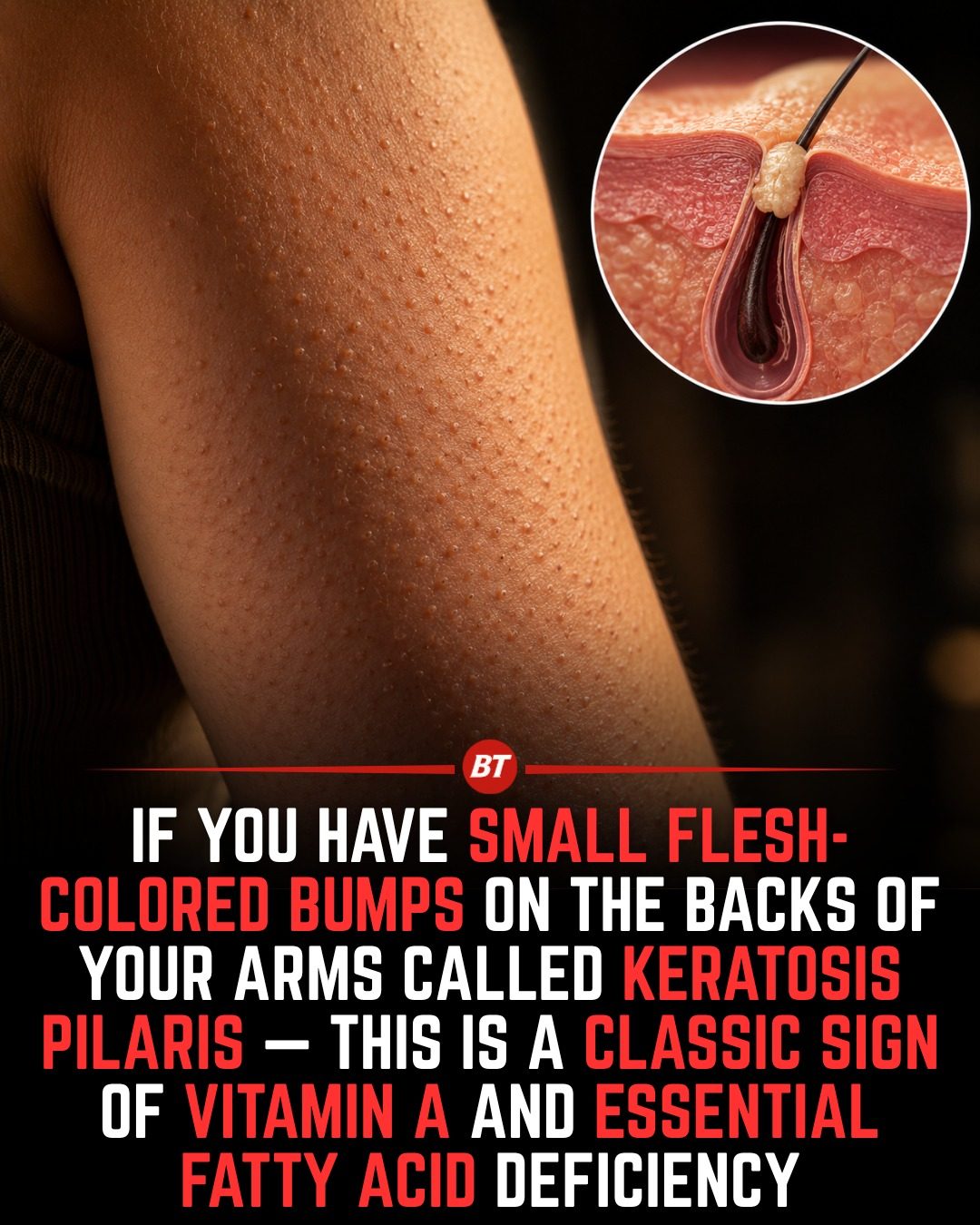
Keratosis Pilaris: Understanding the Condition and Its Nutritional Links
Keratosis pilaris (KP) is a common skin condition characterized by small, flesh-colored or slightly red bumps on the upper arms, thighs, and sometimes cheeks. These bumps, which often give the skin a rough, sandpaper-like texture, occur when keratin—a protective skin protein—builds up around hair follicles, forming tiny plugs.
Why This Matters
For many, keratosis pilaris is merely a cosmetic concern. However, understanding the underlying causes and potential remedies can significantly improve skin health and overall well-being. This condition, while harmless in most cases, can sometimes indicate nutritional deficiencies that, if addressed, may lead to smoother, healthier skin.
Main Discussion
The Role of Genetics and Skin Barrier Function
Researchers have found that keratosis pilaris is strongly influenced by genetics and skin barrier function. If your family has a history of keratosis pilaris, you may be more predisposed to developing the condition. Skin barrier function, which protects the skin from external irritants and helps retain moisture, plays a crucial role in preventing the buildup of keratin.
Nutritional Factors
While genetics and skin barrier function are primary contributors, nutritional factors may also play a significant role in some individuals. Studies have shown that vitamin A and essential fatty acids are vital for maintaining healthy skin.
Vitamin A
Vitamin A is essential for healthy skin cell turnover. It helps regulate the growth and shedding of skin cells, ensuring that old cells are replaced by new, healthy ones. When vitamin A intake is inadequate, it may contribute to rough, bumpy skin in susceptible individuals. Foods rich in vitamin A include sweet potatoes, carrots, egg yolks, and liver. Including these foods in your diet can help support vitamin A levels, potentially improving skin health and reducing the appearance of keratosis pilaris.
Essential Fatty Acids
Essential fatty acids, such as omega-3s, are crucial for maintaining the skin's protective barrier and keeping it properly moisturized. They help reduce dryness and support healthy skin structure. Foods rich in essential fatty acids include salmon, sardines, flaxseeds, and walnuts. Incorporating these foods into your diet can help ensure that your skin remains hydrated and healthy, potentially alleviating the symptoms of keratosis pilaris.
Practical Tips
Dietary Adjustments
To support skin health and potentially reduce the appearance of keratosis pilaris, consider the following dietary changes:
- Increase Vitamin A Intake: Incorporate foods rich in vitamin A into your diet, including leafy greens, carrots, sweet potatoes, and egg yolks.
- Enhance Essential Fatty Acid Intake: Add foods high in essential fatty acids, such as fatty fish (salmon, sardines), flaxseeds, and walnuts.
- Stay Hydrated: Drink plenty of water to keep your skin hydrated and support overall skin health.
Skin Care Routine
In addition to dietary changes, adopting a consistent skin care routine can help manage keratosis pilaris:
- Gentle Cleansing: Use a mild, fragrance-free cleanser to avoid irritating the skin.
- Moisturizing: Apply a moisturizer to keep the skin hydrated. Look for products containing ingredients like urea or lactic acid, which can help exfoliate and smooth the skin.
- Gentle Exfoliation: Use a gentle exfoliator or chemical exfoliants like salicylic acid to help remove dead skin cells and reduce the buildup of keratin. Be cautious not to over-exfoliate, as this can further irritate the skin.
Important Takeaways
Keratosis Pilaris is Common and Often Benign
Keratosis pilaris is a common condition that affects many people. While it can be unsightly, it is generally harmless. Understanding the underlying causes and potential remedies can help manage this condition effectively.
Nutritional Deficiencies May Contribute
Although genetics and skin barrier function play significant roles, nutritional deficiencies in vitamin A and essential fatty acids may exacerbate keratosis pilaris. Addressing these deficiencies through diet can improve skin health and potentially reduce the appearance of the bumps.
Consistency is Key
Maintaining a balanced diet and a consistent skin care routine are crucial for managing keratosis pilaris. Incorporating foods rich in vitamin A and essential fatty acids, along with gentle cleansing, moisturizing, and exfoliation, can help improve skin texture and overall health.
Conclusion
Keratosis pilaris, while a common and generally harmless condition, can be a source of concern for many. Understanding the role of genetics, skin barrier function, and nutritional factors can help manage this condition effectively. By making dietary adjustments and adopting a consistent skin care routine, individuals can improve their skin health and reduce the appearance of keratosis pilaris. Addressing potential nutritional deficiencies and maintaining a balanced diet can also support overall well-being, contributing to smoother, healthier skin.
Watch the Reel
Questions readers ask
What are the most common areas affected by keratosis pilaris?
Keratosis pilaris typically appears on the upper arms, thighs, and occasionally on the cheeks. These areas are prone to developing small, rough bumps that can give the skin a sandpaper-like texture.
Can diet affect keratosis pilaris?
Yes, dietary changes can potentially influence keratosis pilaris. Ensuring a balanced diet rich in essential vitamins and fatty acids can help improve skin health and may reduce the appearance of bumps.
What vitamins are beneficial for managing keratosis pilaris?
Vitamins A, C, and E are particularly beneficial. These vitamins support skin health and can help reduce inflammation, which may improve the appearance of rough, bumpy skin.
Is keratosis pilaris hereditary?
It can be. Genetics play a significant role in the development of keratosis pilaris, so if you have a family history of the condition, you may be more likely to experience it yourself.
Are there any specific foods that can help reduce keratosis pilaris?
Including foods rich in omega-3 fatty acids, such as fatty fish, walnuts, and flaxseeds, can be helpful. These fatty acids support skin barrier improvement and overall skin health.
How can I improve the appearance of keratosis pilaris on my cheeks?
To address keratosis pilaris on the cheeks, try using gentle exfoliants and moisturizers. Additionally, ensuring a diet rich in vitamins and essential fatty acids can support skin health and potentially reduce bumps.
Can keratosis pilaris appear on areas other than the arms and thighs?
Yes, while the upper arms and thighs are the most common areas, keratosis pilaris can also appear on the cheeks and, less frequently, on other parts of the body, such as the back of the arms.
Related deep dives
Similar reads based on topic and creator.




Recent articles
Fresh deep dives from the latest Reels we unpacked.




Comments
Be the first to comment.