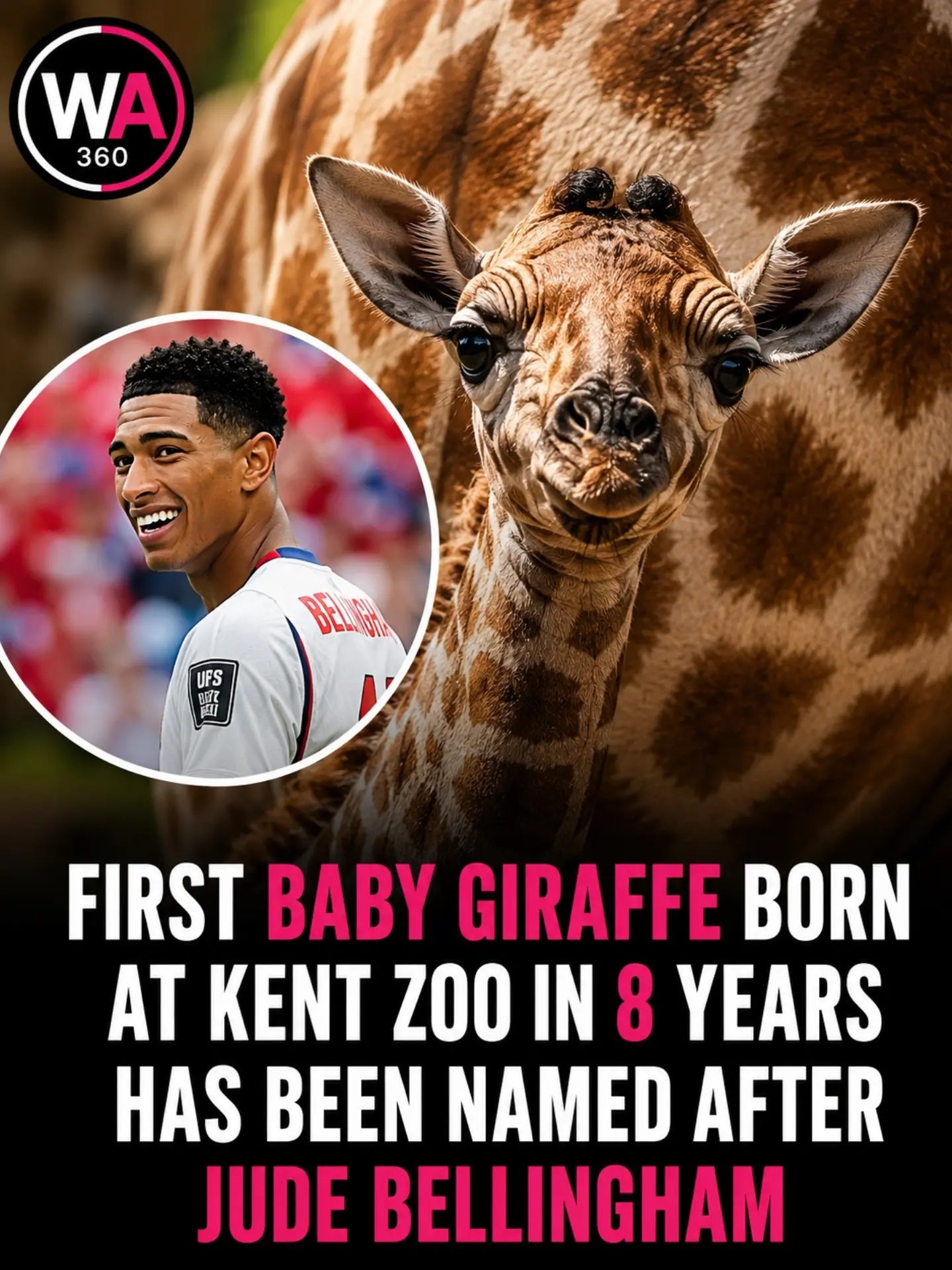
Baby Giraffe Jude: A Symbol of Wildlife Conservation and Sports Enthusiasm
Kent Zoo is celebrating a remarkable milestone with the birth of its first baby giraffe in eight years. The calf, a Nubian giraffe, has been named Jude in honor of the renowned footballer Jude Bellingham. This heartwarming story bridges the worlds of sports and wildlife conservation, highlighting the success of breeding programs that protect one of Africa's most iconic species.
This event is more than just a cute story; it underscores the importance of conservation efforts. Jude's birth is a testament to the success of breeding programs aimed at preserving giraffe populations. As part of comprehensive conservation efforts, breeding programs in zoos play a crucial role in maintaining genetic diversity and ensuring the survival of endangered species.
By nurturing and preserving these animals, Kent Zoo contributes significantly to the broader goal of wildlife conservation. In addition to the immediate impacts, these programs foster awareness and inspire the public to engage in conservation efforts. The unique connection between the baby giraffe and a beloved athlete further amplifies the story, reaching a wider audience and sparking conversations about wildlife conservation.
Why This Matters
The birth of baby Jude at Kent Zoo is a significant event for several reasons. Firstly, it marks a critical milestone in the zoo's breeding program, which has been working tirelessly to increase the Nubian giraffe population. The species faces numerous threats in the wild, including habitat loss and poaching. Breeding programs like the one at Kent Zoo are vital in ensuring the survival of these majestic animals.
Additionally, the naming of the calf after a prominent footballer highlights the unexpected links between different fields. This story captures the attention of both sports enthusiasts and wildlife lovers, demonstrating how shared passions can unite diverse communities. Such cross-sectoral connections can foster greater public engagement and support for conservation efforts.
Understanding Nubian Giraffes
The Nubian giraffe is one of the world's most recognizable and beloved animals. The species is known for its distinctive coat patterns and long, graceful necks, making it a symbol of the African wilderness. Nubian giraffes are found primarily in eastern and southern Africa, but their populations have been declining due to habitat loss and human activities.
Conservation efforts are crucial for the survival of Nubian giraffes. These animals are vital to their ecosystems, and their declining populations have significant ecological impacts. Breeding programs in zoos and other conservation initiatives aim to protect these animals and ensure their survival for future generations. By supporting such efforts, we can help preserve the natural heritage that defines Africa.
The Role of Zoos in Wildlife Conservation
Kent Zoo and similar institutions play a vital role in wildlife conservation. Zoos provide habitats for endangered species, conduct research, and educate the public about conservation. Breeding programs are a significant part of their missions, focusing on increasing the populations of threatened species.
Kent Zoo's success in breeding the Nubian giraffe underscores the importance of such programs. Captive breeding helps maintain genetic diversity, which is essential for the long-term survival of endangered species. These programs also provide valuable opportunities for research, allowing scientists to study the animals' behavior, health, and reproduction in a controlled environment.
Moreover, zoos serve as educational centers, raising awareness about conservation issues. Visitors can learn about the challenges faced by endangered species and the importance of protecting their habitats. Through these efforts, zoos inspire people to take action and support conservation initiatives.
Practical Tips for Supporting Wildlife Conservation
While zoos and breeding programs are essential, individual efforts also make a significant difference. Here are some practical tips for supporting wildlife conservation:
- Visit Zoos and Wildlife Sanctuaries: Support conservation efforts by visiting accredited zoos and sanctuaries. By contributing to their operations, you help fund their conservation programs and research.
- Donate to Conservation Organizations: Many organizations work tirelessly to protect endangered species and their habitats. Your donations can support their efforts and help preserve wildlife for future generations.
- Reduce Your Impact: Simple actions like reducing plastic use, conserving water, and supporting sustainable practices can have a significant impact on wildlife. Reducing your ecological footprint helps protect habitats and supports conservation efforts.
- Support Wildlife-Friendly Products: Choose products that are eco-friendly and do not contribute to habitat destruction. Supporting sustainable practices helps preserve natural habitats for wildlife.
Important Takeaways
The birth of baby Jude at Kent Zoo serves as a reminder of the importance of wildlife conservation. Breeding programs in zoos are crucial for preserving endangered species and maintaining genetic diversity. The unique connection between the baby giraffe and the famous footballer highlights the potential for cross-sectoral collaborations in promoting conservation efforts.
By supporting wildlife conservation, we ensure that future generations can enjoy the wonders of nature. Whether through visiting zoos, donating to conservation organizations, or making eco-friendly choices, every action contributes to the preservation of our natural heritage.
Conclusion
The story of baby Jude, the Nubian giraffe born at Kent Zoo, is a heartwarming tale of wildlife conservation and the unexpected connections that bring people together. Through breeding programs, zoos play a critical role in preserving endangered species and fostering public awareness about conservation. By supporting these efforts, we can ensure that future generations will continue to marvel at the beauty and majesty of animals like the Nubian giraffe.
Watch the Reel
Questions readers ask
Why was the baby giraffe named Jude at Kent Zoo?
The baby giraffe at Kent Zoo was named Jude in honor of the renowned soccer star Jude Bellingham, reflecting the intersection of sports and wildlife conservation.
What makes Jude's birth at Kent Zoo significant?
Jude's birth is significant because it marks the first baby giraffe born at Kent Zoo in eight years and is a testament to the zoo's successful breeding program.
What species of giraffe is baby Jude?
Baby Jude is a Nubian giraffe, a subspecies native to Africa and known for its distinctive coat pattern and conservation importance.
How does Jude's birth contribute to wildlife conservation efforts?
Jude's birth contributes to wildlife conservation by supporting the zoo's breeding program, which helps maintain genetic diversity and protect giraffe populations.
What role do breeding programs play in giraffe conservation?
Breeding programs in zoos are vital for giraffe conservation as they help maintain healthy and diverse giraffe populations, which is essential for the long-term survival of the species.
What kind of care and conservation efforts are in place for Jude at Kent Zoo?
Jude receives specialized care as part of Kent Zoo's comprehensive conservation efforts, which include monitoring health, providing appropriate nutrition, and ensuring socialization with other giraffes.
How can visitors learn more about Jude and the zoo's conservation initiatives?
Visitors can learn more about Jude and Kent Zoo's conservation initiatives by visiting the zoo, following their updates on social media, or exploring their website for detailed information about the breeding program and other conservation efforts.
Recent articles
Fresh deep dives from the latest Reels we unpacked.




Comments
Be the first to comment.