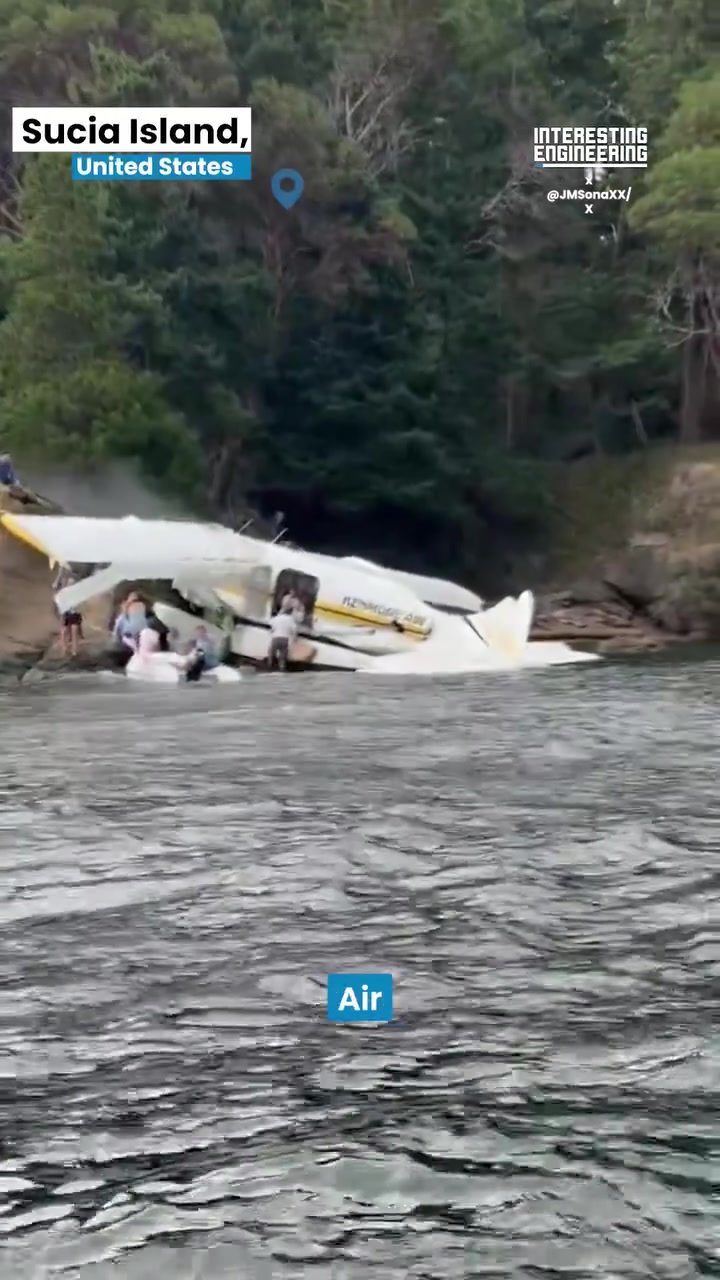
Seaplane Crash off Washington's Sucia Island
The Kenmore Air seaplane that crashed off the coast of Washington’s Sucia Island had a harrowing emergency landing that led to a large-scale rescue effort. All 11 occupants were fortunate to survive, but four suffered serious injuries, with one in critical condition. The incident involved complex rescue operations and the involvement of multiple agencies.
Why This Matters
This incident draws attention to the risks associated with seaplane travel and the critical importance of swift and effective rescue operations. It also highlights the collaborative efforts between US and Canadian agencies in handling such emergencies.
The Incident
The Landing and Fire
The Kenmore Air seaplane was carrying 11 people when it made an emergency landing near Washington's Sucia Island. The emergency landing was necessary in order to prevent a full-scale disaster. The plane then caught fire, complicating the rescue efforts. The wreckage was seen in the water near a wooded shoreline, making the rescue operation more challenging.
Rescue Operation
The large-scale rescue operation was immediately triggered after the emergency landing. Multiple US and Canadian agencies collaborated to ensure the safe rescue of all passengers. The collaboration was crucial, as the fire added to the complexity of the rescue. Authorities are now investigating the cause of the emergency, focusing on various factors including weather conditions.
Factors in the Crash
The cause of the emergency landing and subsequent fire is still under investigation. The weather conditions at the time of the incident are being scrutinized as a potential factor. Other factors such as mechanical issues or pilot error are also being considered.
Weather Conditions
Weather conditions are a significant factor in air travel, especially for seaplanes. The pilot must assess the weather before and during the flight to avoid potential dangers. The weather conditions during the incident are being investigated, as they may have played a part in the emergency landing.
Rescue and Emergency Response
The response to this incident showcased the effectiveness of collaboration between multiple agencies. The swift and coordinated efforts ensured the rescue of all occupants. The involvement of both US and Canadian agencies highlights the importance of cross-border cooperation in such emergencies.
Role of Agencies
Multiple US and Canadian agencies played a crucial role in the rescue operation. Their coordinated efforts ensured that all passengers were rescued safely, despite the challenging conditions. The agencies are also assisting in the investigation to determine the cause of the emergency.
Injuries and Outcomes
Despite the severity of the incident, all 11 occupants survived. However, four individuals suffered serious injuries. One of the injured passengers was in critical condition, highlighting the seriousness of the incident.
Medical Response
The medical response to the incident was swift and efficient. The injured passengers were immediately attended to and transported to medical facilities. The critical condition of one passenger underscores the need for immediate and effective medical care in such situations.
Practical Tips
For Passengers
- Stay Calm: In emergency situations, it is crucial to stay calm and follow the instructions of the flight crew or rescue personnel.
- Follow Safety Procedures: Always be aware of the safety procedures and follow them diligently during emergencies.
- Wear Life Jackets: If available, always wear a life jacket in the event of a water landing.
For Pilots
- Weather Assessment: Regularly assess weather conditions and adjust flight plans accordingly. Always prioritize safety over schedule.
- Emergency Drills: Conduct regular emergency drills to ensure preparedness for any unforeseen situations.
- Communication: Maintain clear communication with air traffic control and rescue teams during emergencies.
For Rescue Teams
- Preparation: Ensure all rescue equipment is in good working order and that teams are well-trained and prepared.
- Coordination: Effective coordination with local and international agencies is crucial for a successful rescue operation.
- Rapid Response: Swift response to emergencies is key to minimizing injuries and saving lives.
Important Takeaways
The crash of the Kenmore Air seaplane off the coast of Washington’s Sucia Island underscores the importance of emergency preparedness, effective rescue operations, and the collaboration between various agencies. The successful rescue operation, despite the challenging conditions, highlights the effectiveness of coordinated efforts. The investigation into the cause of the emergency will provide valuable insights into preventing such incidents in the future.
Conclusion
The seaplane crash near Washington's Sucia Island was a harrowing incident that required swift and effective action. The successful rescue of all occupants, despite the severity of the incident, is a testament to the preparedness and coordination of the rescue teams and agencies involved. The investigation into the cause of the emergency will provide valuable insights into preventing such incidents in the future, ensuring the safety of passengers and crew in air travel.
Watch the Reel
Questions readers ask
What caused the Kenmore Air seaplane to crash off Sucia Island?
The Kenmore Air seaplane was forced to make an emergency landing off the coast of Washington’s Sucia Island. The specifics of the cause have not been fully disclosed. However, the seaplane subsequently caught fire, complicating the rescue efforts.
How many people were on board the seaplane, and what was their condition after the crash?
There were 11 people on board the seaplane. Fortunately, all passengers survived, but four suffered serious injuries. One passenger was reported to be in critical condition.
Which agencies were involved in the rescue operation?
The rescue operation involved a collaborative effort between multiple US and Canadian agencies. This cooperation was crucial in handling the complex rescue efforts.
What are the risks associated with seaplane travel?
Seaplane travel can involve unique risks, such as the potential for emergency water landings and the challenges of rescue operations in remote or water-based environments. The incident off Sucia Island highlights these risks.
How did the seaplane fire affect the rescue efforts?
The seaplane fire significantly complicated the rescue efforts, as firefighters and rescue teams had to quickly extinguish the flames while also attending to the injured passengers. The fire added an extra layer of urgency and danger to the situation.
What can be learned from this seaplane incident for future safety?
This incident underscores the importance of preparedness and training for emergency situations in seaplane travel. It also highlights the need for effective communication and coordination between different agencies during rescue operations.
What measures are typically taken during a seaplane emergency landing in water?
During a seaplane emergency landing in water, the pilot must carefully control the descent and landing to minimize the impact. Once in the water, the pilot and passengers must quickly evacuate the seaplane, especially if there is a risk of fire or the seaplane is taking on water.
Recent articles
Fresh deep dives from the latest Reels we unpacked.




Comments
Be the first to comment.