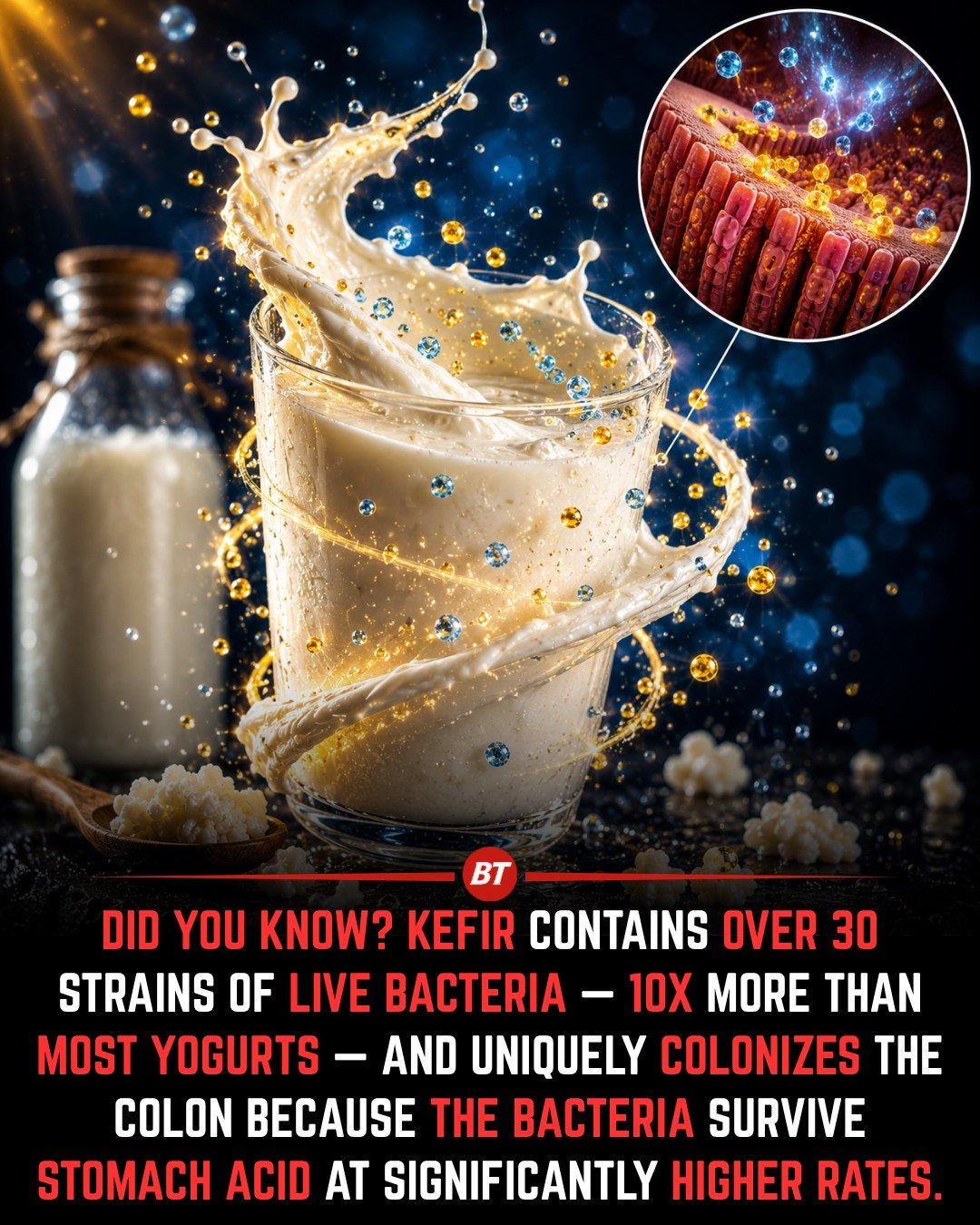
Kefir: A Powerhouse of Beneficial Bacteria for Gut Health
Kefir, a fermented dairy product, stands out as one of the most diverse sources of beneficial microbes found in any fermented dairy food. Unlike traditional yogurts, which typically rely on just a handful of bacterial cultures, kefir is fermented using a unique combination of bacteria and beneficial yeasts. This distinctive blend supports gut health by providing a varied microbial community that includes various strains of Lactobacillus, Lactococcus, Leuconostoc, and other beneficial yeasts.
Why This Matters
The human gut microbiome plays a crucial role in overall health, influencing digestion, immune function, and even mental well-being. Kefir's remarkable diversity of microbial species makes it a powerful ally in maintaining a healthy gut environment. Its live cultures help support a healthier intestinal environment by temporarily increasing beneficial bacteria and producing compounds such as short-chain fatty acids, which nourish the cells lining the colon.
The Unique Benefits of Kefir
High Concentration of Live Bacteria
Kefir contains over 30 strains of live bacteria, which is significantly more than most yogurts. This high concentration of live bacteria makes kefir a potent source of probiotics, which are essential for maintaining gut health. The live cultures in kefir can survive stomach acid at significantly higher rates, allowing them to reach the intestines and colonize the gut more effectively. This unique ability to colonize the colon sets kefir apart from other fermented dairy products, making it a superior choice for those looking to enhance their gut microbiome.
Lactose Breakdown
The fermentation process used to make kefir breaks down much of the lactose in milk. This makes kefir easier to digest for many people with lactose sensitivity. For those who struggle with lactose intolerance, kefir can be a gentler alternative to other dairy products, providing the benefits of probiotics without the digestive discomfort.
Support for a Healthy Gut Microbiome
Kefir's live cultures support a healthier intestinal environment by temporarily increasing beneficial bacteria. These microbes produce compounds such as short-chain fatty acids, which help nourish the cells lining the colon. Some studies have shown that kefir-specific bacterial strains can be detected in participants' stool samples after consumption, suggesting that these microbes can survive digestion and transiently colonize the gut.
Practical Tips for Incorporating Kefir into Your Diet
Choose the Right Type of Kefir
When selecting kefir, opt for plain, unsweetened varieties with live cultures. This ensures that you are getting the maximum benefit from the live bacteria and yeasts. Avoid flavored kefirs that often contain added sugars and artificial flavors, which can diminish the health benefits.
Portion Sizes
Aim to consume about 1 cup of kefir per day. This amount is sufficient to provide a diverse range of beneficial microbes without overloading your system. Incorporating kefir into your daily routine can be as simple as enjoying it as a snack or adding it to smoothies, oatmeal, or breakfast bowls.
Pair with a Balanced Diet
To support a diverse and healthy gut microbiome, pair kefir with a diet rich in fiber, fruits, vegetables, and other fermented foods. This holistic approach ensures that your gut microbiome remains balanced and healthy.
Important Takeaways
Kefir's unique combination of bacteria and beneficial yeasts makes it a powerful tool for supporting gut health. Its high concentration of live bacteria, ability to colonize the colon, and ease of digestion for those with lactose sensitivity set it apart from other fermented dairy products. By incorporating kefir into your diet, you can support a healthier intestinal environment and contribute to the diversity and resilience of your gut microbiome.
Conclusion
Kefir's diverse microbial community and probiotic benefits make it an excellent choice for anyone looking to enhance their gut health. Its unique fermentation process and ability to survive stomach acid allow kefir to provide lasting benefits to the gut microbiome. By choosing plain, unsweetened kefir and incorporating it into a balanced diet, you can reap the full benefits of this powerful fermented dairy product.
Watch the Reel
Questions readers ask
What makes kefir's probiotics different from those in traditional yogurt?
Kefir's probiotics are more diverse because kefir is fermented using a unique blend of bacteria and yeasts, unlike yogurt which typically uses a limited number of bacterial cultures. This diversity includes various strains of Lactobacillus, Lactococcus, Leuconostoc, and beneficial yeasts, making kefir a richer source of beneficial microbes.
How does kefir support gut health?
Kefir supports gut health by providing a variety of beneficial bacteria and yeasts that temporarily boost the population of beneficial microorganisms in the gut. These microbes produce compounds that nourish the gut, promote better digestion, and enhance immune function.
What is the significance of the live cultures in kefir?
The live cultures in kefir are crucial for their gut health benefits. These live bacteria and yeasts actively contribute to a balanced gut microbiome, helping to improve digestion and overall well-being by producing beneficial compounds and competing with harmful microbes.
Why is kefir considered a diverse probiotic source?
Kefir is considered one of the most diverse probiotic sources because it contains a wide range of bacterial and yeast species. This variety includes numerous strains that are not typically found in other fermented dairy products, making kefir a potent tool for maintaining a healthy gut microbiome.
Can kefir help with immune function?
Yes, kefir can help with immune function. The diverse bacterial and yeast strains in kefir support a healthy gut microbiome, which is closely linked to immune health. By nourishing the gut and promoting a balanced microbial community, kefir can help enhance the body's immune response.
Related deep dives
Similar reads based on topic and creator.




Recent articles
Fresh deep dives from the latest Reels we unpacked.




Comments
Be the first to comment.