Twin Development
Twin development is a fascinating journey that begins with a single cell and culminates in the birth of two extraordinary lives. The process of identical twin development is particularly intriguing, as it involves a single fertilized egg that naturally splits into two embryos. Understanding this journey provides profound insights into the intricate workings of human biology.
Why This Matters
The growth of identical twins inside the womb is not only a scientific marvel but also a deeply personal experience for expectant parents. For those expecting twins, knowing the stages of development can alleviate anxieties and enhance the anticipation of welcoming two new lives into the world. For science enthusiasts, the journey from a single cell to two fully developed babies is a testament to the complexity and beauty of human biology.
Twin Development: Month by Month
Initial Cell Division
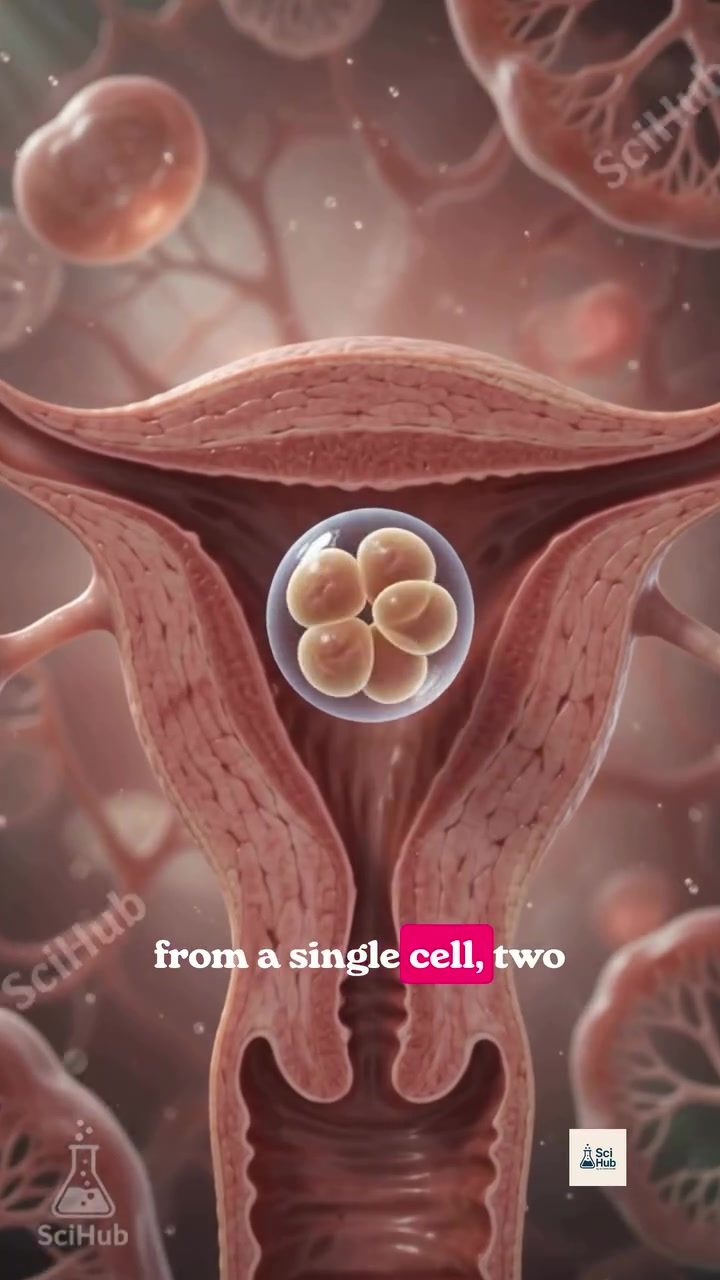
The journey of twin development begins with a fertilized egg. In the case of identical twins, this single cell undergoes a process called splitting, resulting in two separate embryos. This division typically occurs within the first few days after fertilization. The two embryos then begin to grow independently, each developing into a distinct individual.
Early Development
During the first few weeks, the embryos are microscopic, but they are already undergoing rapid cell division. By the end of the first month, the embryos have implanted themselves into the uterine lining. This implantation is crucial as it allows the developing twins to receive essential nutrients and oxygen from the mother's bloodstream through the placenta.
Organ Formation
As the embryos continue to grow, they begin to form basic structures that will eventually become organs. By the end of the third month, the embryos have developed a brain, heart, lungs, and other essential organs. This stage is marked by significant growth and the formation of limbs, fingers, and toes. The twins are now referred to as fetuses.
Middle Stages of Development
The middle stages of pregnancy are characterized by rapid growth. The fetuses develop a layer of fine hair called lanugo, which protects their delicate skin. They also develop a waxy substance called vernix caseosa, which acts as a protective barrier. During this period, the fetuses become more active, moving around and even interacting with each other inside the womb. They begin to stretch, kick, suck their thumbs, yawn, and gently touch each other, showcasing the early development of sensory and motor skills.
Late Stages of Development
In the final trimester, the fetuses grow rapidly, preparing for life outside the womb. Their organs mature, and they accumulate essential nutrients to support their initial days of life. The lungs, in particular, undergo significant development as they prepare for breathing air rather than amniotic fluid. The twins' senses also become more acute, and they can respond to light, sound, and touch.
Preparation for Birth
As the due date approaches, the twins' bodies ready themselves for the transition to the outside world. The lungs fill with amniotic fluid, which helps to expand the alveolar sacs and prepare them for breathing air. The digestive system also prepares for the intake of milk, and the immune system begins to develop, receiving antibodies from the mother's bloodstream.
Key Milestones in Twin Development
Embryonic Stage
The embryonic stage lasts from conception until the end of the eighth week. During this period, the fertilized egg divides and implants into the uterine lining. The embryo begins to form the basic structures that will develop into organs and systems. This stage is crucial for the establishment of the twin's genetic makeup and the early formation of essential body parts.
Fetal Stage
The fetal stage begins at the ninth week and continues until birth. During this stage, the twins grow rapidly, and their organs and systems become fully functional. The fetuses develop a layer of fine hair called lanugo and a waxy substance called vernix caseosa, which protect their delicate skin. They also become more active, moving around and interacting with each other inside the womb.
Practical Tips for Expecting Twin Parents
Regular Prenatal Check-ups
Regular prenatal check-ups are essential for monitoring the health and development of both twins. These check-ups allow healthcare providers to assess the growth and well-being of the fetuses and detect any potential complications early. Expectant parents should schedule frequent visits to ensure the best possible outcomes for their twins.
Proper Nutrition
Proper nutrition is crucial for supporting the growth and development of twins. Expectant mothers should consume a balanced diet rich in essential nutrients, including folic acid, iron, and calcium. Consulting a healthcare provider or a nutritionist can help ensure that the mother's nutritional needs are met, supporting the healthy development of the twins.
Adequate Rest
Pregnancy with twins can be physically demanding, and adequate rest is essential for both the mother and the developing fetuses. Expectant mothers should prioritize getting enough sleep and taking breaks throughout the day to rest and rejuvenate. Creating a comfortable and supportive sleeping environment can also enhance the quality of rest.
Staying Active
Light exercise and staying active can benefit both the mother and the developing twins. Activities such as walking, swimming, and prenatal yoga can help improve mood, reduce stress, and prepare the body for labor and delivery. Expectant mothers should consult with their healthcare providers before starting any new exercise regimen.
Important Takeaways
The development of identical twins is a remarkable journey that involves the splitting of a single fertilized egg into two distinct embryos. Throughout the nine months of pregnancy, the twins grow side by side, developing essential organs and systems. Understanding the stages of twin development can provide valuable insights and reassurance for expectant parents, helping them navigate the journey with confidence and excitement.
Conclusion
The process of twin development is a testament to the intricate and beautiful workings of the human body. From the initial cell division to the formation of organs and the preparation for birth, the journey is marked by rapid growth and remarkable milestones. For expectant parents and science enthusiasts alike, understanding this journey offers a deeper appreciation for the complexity and wonder of life.
Watch the Reel
Questions readers ask
How does the development of identical twins begin?
Identical twin development starts with a single fertilized egg, which then splits into two separate embryos. This splitting can occur at different stages, typically within the first two weeks after conception, and results in two genetically identical individuals.
What are the key stages of twin development in the womb?
The development of twins in the womb follows a similar timeline to that of a single fetus, but with some unique aspects. The key stages include the fertilized egg splitting into two embryos, organogenesis (formation of organs), and the final growth phase where the twins prepare for birth. Throughout these stages, each twin grows and develops independently, even though they share the same genetic makeup.
How does the process of twin development provide insights into human biology?
The journey of identical twins from a single cell to two distinct lives offers valuable insights into human biology. It allows researchers to study genetic influences, developmental processes, and the impact of shared vs. unique environments on growth and health.
Why is understanding the journey of identical twins important for expectant parents?
For expectant parents, understanding the stages of twin development can help manage expectations and alleviate concerns. Knowing the milestones and growth phases can enhance the anticipation of welcoming two new lives and prepare them for the unique challenges and joys of a twin pregnancy.
What makes the growth of identical twins in the womb a scientific marvel?
The growth of identical twins in the womb is a scientific marvel because it involves the complex process of a single fertilized egg dividing into two embryos, each developing into a unique individual. This process showcases the intricate workings of human biology and the remarkable capabilities of the human body.
How do identical twins differ from fraternal twins in their development?
Identical twins result from a single fertilized egg that splits into two embryos. In contrast, fraternal twins develop from two separate eggs fertilized by two different sperm. This difference in origin means that identical twins share the same genetic makeup, while fraternal twins do not.
What are some unique considerations for a pregnancy with identical twins?
A pregnancy with identical twins involves some unique considerations, such as the increased risk of complications like twin-to-twin transfusion syndrome and preterm labor. Regular prenatal check-ups and monitoring are crucial to ensure the health and well-being of both twins throughout the pregnancy.
Related deep dives
Similar reads based on topic and creator.

Recent articles
Fresh deep dives from the latest Reels we unpacked.




Comments
Be the first to comment.