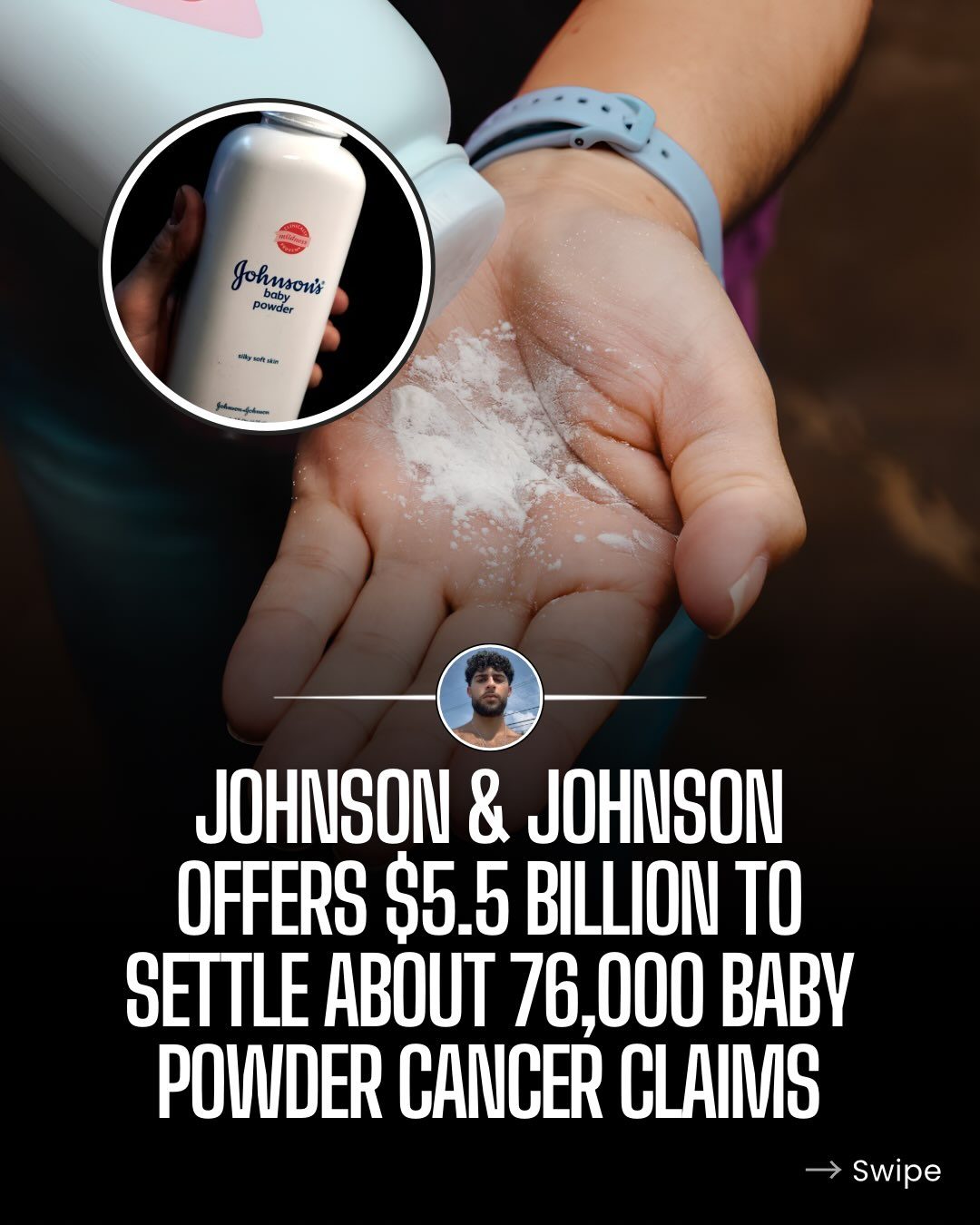
Johnson & Johnson's $5.5 Billion Settlement for Baby Powder Cancer Claims
Johnson & Johnson has agreed to pay $5.5 billion to settle approximately 76,000 lawsuits alleging that its baby powder and other talc-based products caused ovarian cancer. This proposed settlement aims to resolve most of the remaining lawsuits in the United States. However, the settlement will only proceed if at least 95% of the remaining plaintiffs agree to the deal. Despite this settlement, Johnson & Johnson continues to deny that its talc products are responsible for causing cancer.
Context: The Legal Battle Over Talc-Based Products
The Rise of Talc Lawsuits
Johnson & Johnson’s baby powder has been a staple in households for decades, but recent years have seen a surge in lawsuits claiming that the talc in these products can cause ovarian cancer. The lawsuits allege that long-term use of the powder, particularly in the genital area, can lead to the development of cancer. Plaintiffs argue that the company knew or should have known about the risks and failed to warn consumers.
Scientific and Medical Perspectives
The link between talc and ovarian cancer has been a contentious issue in the scientific community. Some studies suggest that talc particles, when applied to the genital area, can travel through the vagina, uterus, and fallopian tubes to the ovaries, potentially causing inflammation and cancer. However, other studies have not found a clear link, and the overall scientific consensus is not definitive.
Johnson & Johnson's Response
Johnson & Johnson has consistently maintained that its talc-based products are safe and that the lawsuits are without merit. The company points to numerous studies and regulatory approvals supporting the safety of talc. Despite these claims, the company has faced significant legal pressure, leading to the proposed settlement.
Main Discussion
The Proposed Settlement
The $5.5 billion settlement is a significant move by Johnson & Johnson to address the thousands of lawsuits that have piled up over the years. The settlement aims to resolve nearly all remaining U.S. lawsuits over talc-based products. This includes claims related to ovarian cancer as well as mesothelioma, a rare form of cancer linked to asbestos contamination in talc.
Key Terms of the Settlement
Plaintiff Agreement
One of the critical conditions of the settlement is that it will only move forward if at least 95% of the remaining plaintiffs agree to the deal. This high threshold ensures that a substantial majority of plaintiffs support the settlement, reducing the likelihood of further legal disputes. For those who choose not to participate or opt out, their cases will remain open, and they will have the opportunity to pursue their claims in court.
Denial of Liability
Despite agreeing to the settlement, Johnson & Johnson continues to deny that its talc products caused cancer. This denial is an important aspect of the settlement, as it allows the company to avoid admitting liability while still resolving the legal issues. This approach enables Johnson & Johnson to put an end to the lengthy and costly legal battles without conceding fault.
Johnson & Johnson's Decision to Stop Selling Talc-Based Baby Powder
In 2020, Johnson & Johnson decided to stop selling its talc-based baby powder in the United States and Canada. This move came amid ongoing litigation and growing public concern over the potential health risks associated with talc. The company stated that the decision was part of a broader strategy to focus on other product lines and simplify its portfolio.
The Impact on Consumers
The discontinuation of talc-based baby powder in the U.S. and Canada has significant implications for consumers. Many people have relied on baby powder for generations, and the sudden removal of a trusted product from the market can be disconcerting. However, Johnson & Johnson has emphasized that the decision was made to prioritize consumer safety and align with evolving market preferences.
Johnson & Johnson's Future in the Baby Powder Market
Johnson & Johnson is not entirely exiting the baby powder market. The company continues to produce cornstarch-based baby powder, which is marketed as a talc-free alternative. This shift is in line with industry trends, as more consumers seek out talc-free products as a precautionary measure.
The Transition to Cornstarch-Based Products
Cornstarch-based baby powder has become a popular alternative to talc-based products. Many consumers are opting for cornstarch due to its perceived safety and effectiveness. Johnson & Johnson's transition to cornstarch-based products is a strategic move to address consumer concerns while maintaining a presence in the baby powder market.
Practical Tips
Choosing the Right Baby Powder
With the ongoing debate about talc and its potential health risks, consumers are increasingly opting for talc-free alternatives. If you are looking for a safe and effective baby powder, consider the following tips:
- Check the Ingredients: Always read the product label to ensure it is talc-free. Look for alternative ingredients like cornstarch, which are generally considered safe.
- Brand Reputation: Choose products from reputable brands known for their commitment to safety and quality. Research the brand's history and customer reviews.
- Consult Healthcare Professionals: If you have concerns about the safety of a product, consult with a healthcare professional. They can provide personalized advice based on your specific needs and health history.
Safe Use Practices
- Avoid Genital Application: To minimize any potential risks, avoid applying baby powder to the genital area. Instead, use it on other parts of the body where it can help with moisture control and odor prevention.
- Proper Ventilation: Use baby powder in a well-ventilated area to avoid inhaling the powder, which can be harmful to the lungs.
Important Takeaways
- Settlement Details: Johnson & Johnson's $5.5 billion settlement offer aims to resolve approximately 76,000 lawsuits related to baby powder cancer claims. The settlement will only proceed if at least 95% of the remaining plaintiffs agree to the deal.
- Denial of Liability: Despite the settlement, Johnson & Johnson continues to deny that its talc products caused cancer.
- Product Changes: The company has discontinued the sale of talc-based baby powder in the U.S. and Canada, focusing instead on cornstarch-based products.
Conclusion
Johnson & Johnson's decision to settle the baby powder cancer claims and discontinue talc-based products reflects the complexities of the legal and public health landscape. While the company maintains its stance on the safety of its talc products, the settlement and product changes are strategic moves to address consumer concerns and legal challenges. As the market evolves, consumers will increasingly rely on talc-free alternatives, and brands that prioritize safety and transparency will lead the way.
Watch the Reel
Questions readers ask
What is the total amount Johnson & Johnson has proposed to settle the baby powder cancer lawsuits?
Johnson & Johnson has proposed a $5.5 billion settlement to resolve approximately 76,000 lawsuits. This settlement is aimed at addressing claims linking its baby powder and other talc-based products to ovarian cancer. The settlement, however, is contingent on the approval of at least 95% of the remaining plaintiffs.
What percentage of plaintiffs must approve the settlement for it to proceed?
The settlement will only proceed if at least 95% of the remaining plaintiffs agree to the deal. This high threshold underscores the complexity and significance of the legal battle surrounding Johnson & Johnson's talc-based products.
How many lawsuits are included in the proposed settlement?
The proposed $5.5 billion settlement aims to resolve approximately 76,000 lawsuits. These lawsuits allege that Johnson & Johnson's baby powder and other talc-based products are linked to ovarian cancer, making it one of the largest settlements in this type of legal battle.
What is Johnson & Johnson's stance on the relationship between their talc products and cancer?
Despite the settlement, Johnson & Johnson continues to deny that its talc products are responsible for causing cancer. The company has maintained this position throughout the legal proceedings, even as it moves forward with the settlement.
What products are specifically mentioned in the lawsuits against Johnson & Johnson?
The lawsuits specifically mention Johnson & Johnson's baby powder and other talc-based products. These products have been used for decades in households but have recently faced numerous claims linking them to ovarian cancer.
What are the implications of the settlement for the plaintiffs?
For the plaintiffs, the settlement represents a significant step towards resolution of their claims. If approved, it means that approximately 76,000 individuals who have been involved in these lawsuits may receive compensation for their allegations. The settlement process will provide clarity and potential financial relief for those affected.
Are there any conditions that could prevent the settlement from going through?
Yes, the primary condition is the approval of at least 95% of the remaining plaintiffs. If this threshold is not met, the settlement will not proceed, and the legal battles surrounding Johnson & Johnson's talc products may continue. This condition ensures that a substantial majority of plaintiffs agree to the terms before the settlement is finalized.
Related deep dives
Similar reads based on topic and creator.


Recent articles
Fresh deep dives from the latest Reels we unpacked.




Comments
Be the first to comment.