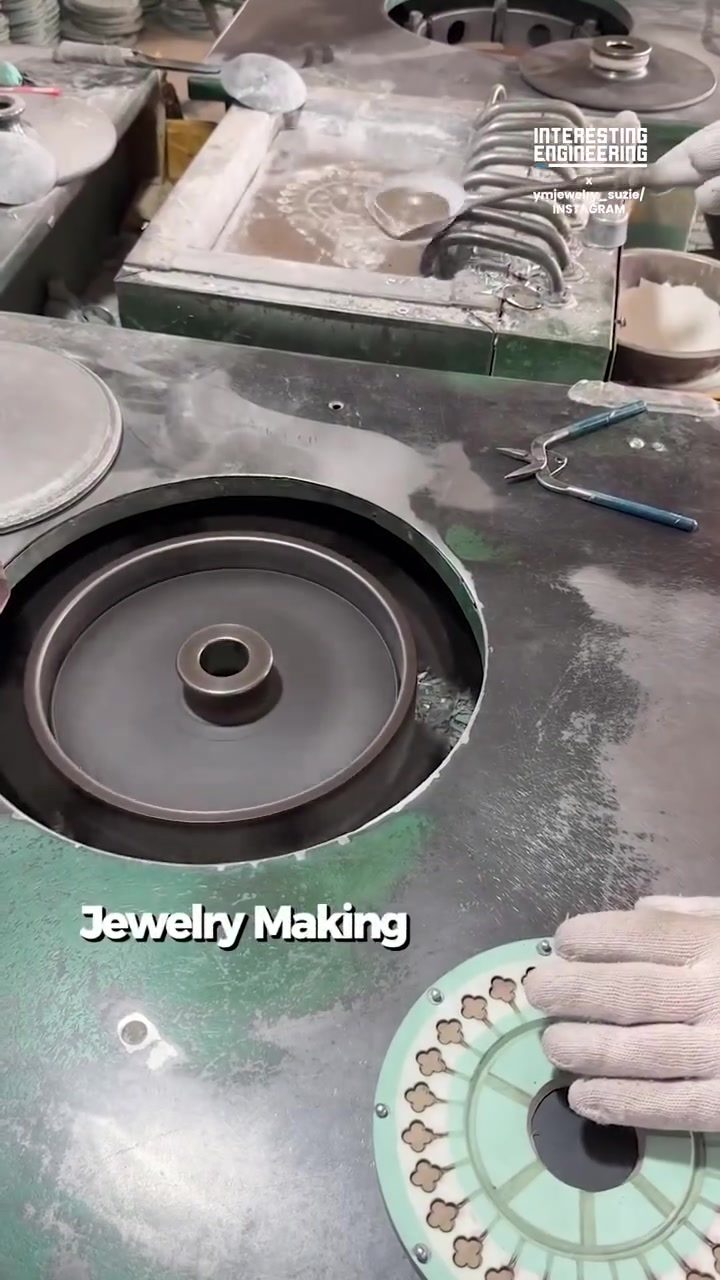
Jewelry Manufacturing: The Intricate Process of Creating Jewelry Components.
Jewelry manufacturing is a process that combines artistry with precision engineering. The creation of jewelry components, in particular, requires a meticulous approach to ensure each piece meets the highest standards of quality and design. This intricate process involves fixing small stones into a design using controlled pressure and alignment, a detail that is often overlooked but crucial to the final product.
Context: Why This Matters
The process of jewelry manufacturing is more than just creating beautiful adornments; it is an art form that demands skill, patience, and a keen eye for detail. Understanding the intricate process of jewelry manufacturing can provide valuable insights into the craftsmanship and precision required to produce high-quality jewelry. Whether you are a jewelry enthusiast or a professional in the industry, delving into the details of jewelry manufacturing can enhance your appreciation for the art and science behind these exquisite pieces.
Main Discussion
The Foundation of Jewelry Manufacturing
The foundation of jewelry manufacturing lies in the creation of individual components. These components can range from small stones to intricate metalwork, each requiring a specific set of tools and techniques to produce. The process begins with selecting the right materials, which can include precious metals like gold and silver, as well as semi-precious and precious stones.
The Role of Machinery in Jewelry Manufacturing
Machinery plays a crucial role in modern jewelry manufacturing. Automated processes ensure consistency and precision, which are essential for producing high-quality jewelry components. Machines can perform tasks that are difficult or impossible for human hands, such as cutting, polishing, and setting small stones. The machinery used in jewelry manufacturing is designed to handle delicate materials with ease, ensuring that each component is produced to the highest standards.
The Importance of Controlled Pressure and Alignment
One of the critical aspects of jewelry manufacturing, especially when fixing small stones into a design, is the use of controlled pressure and alignment. The caption highlights the importance of these techniques, which are crucial for ensuring that each stone is securely fixed in place. Controlled pressure ensures that the stones are held firmly, while precise alignment ensures that they are positioned correctly within the design. This attention to detail is what sets high-quality jewelry apart from the rest.
The Micro Scale of Jewelry Manufacturing
Jewelry manufacturing often involves working at a micro scale, where even the smallest imperfection can be noticeable. The precision required at this scale is staggering, and it demands a deep understanding of both the materials and the techniques involved. Whether it's the setting of a small gemstone or the intricate design of a metal component, every detail matters in the world of jewelry manufacturing.
Production of Jewelry Components
The production process for jewelry components involves several stages, each critical to the final outcome. From the initial design phase to the final polishing, every step requires careful attention to detail. The visual summary of the manufacturing process showcases a close-up view of the machinery used, highlighting the precision and craftsmanship involved. The final shot, which displays a large quantity of finished jewelry components arranged in a circular pattern, underscores the scale of production and the consistency achieved through automated processes.
Practical Tips for Jewelry Enthusiasts and Professionals
For those interested in jewelry manufacturing, whether as a hobby or a profession, there are several practical tips to keep in mind:
Invest in Quality Tools and Materials
Investing in quality tools and materials is essential for producing high-quality jewelry. The precision and durability of your tools can significantly impact the final product, so it's worth spending a bit more on high-quality equipment.
Learn the Basics of Jewelry Making
Understanding the basics of jewelry making is crucial for anyone interested in the craft. There are numerous resources available, including online tutorials, workshops, and courses, that can help you learn the essential skills and techniques.
Practice Patience and Precision
Jewelry manufacturing requires a great deal of patience and precision. Rushing through the process can lead to mistakes and imperfections, so it's important to take your time and focus on each detail.
Experiment with Different Techniques
There are many different techniques involved in jewelry manufacturing, each with its own unique challenges and rewards. Experimenting with different techniques can help you develop a broader skill set and create more varied and interesting pieces.
Important Takeaways
Some important takeaways to keep in mind about jewelry manufacturing:
Precision is Key
Precision is key in jewelry manufacturing, especially when working with small components and intricate designs. The use of controlled pressure and alignment is crucial for ensuring that each piece is produced to the highest standards.
Machinery Enhances Precision
Machinery plays a vital role in modern jewelry manufacturing, enhancing precision and consistency. Automated processes can handle tasks that are difficult for human hands, ensuring that each component is produced to the highest standards.
Attention to Detail
Attention to detail is crucial in jewelry manufacturing. Working at a micro scale requires a deep understanding of both the materials and the techniques involved, ensuring that each piece is produced with the utmost care and precision.
Conclusion
Jewelry manufacturing is a complex and intricate process that involves precision, patience, and a keen eye for detail. From selecting the right materials to using cutting-edge machinery, every step of the process is crucial to the final outcome. Whether you are a jewelry enthusiast or a professional in the industry, understanding the intricacies of jewelry manufacturing can enhance your appreciation for the craftsmanship and precision required to produce high-quality pieces.
Watch the Reel
Questions readers ask
What are the key steps in the jewelry manufacturing process?
The jewelry manufacturing process typically begins with material selection, followed by the design and creation of components. Precision engineering techniques are then used to assemble these components, with a focus on intricate details like stone setting and alignment. Finally, the pieces undergo quality control to ensure they meet the required standards.
How is precision engineering applied in jewelry manufacturing?
Precision engineering in jewelry manufacturing involves using specialized tools and machinery to create and assemble minute components. This includes tasks like stone setting, where stones must be fixed into place with precise pressure and alignment to ensure the design's integrity and the piece's overall stability.
What types of machinery are used in jewelry manufacturing?
Jewelry manufacturing utilizes a variety of precision machinery, including setting machines for securing stones, lasering for precise cuts and engravings, and 3D printers for creating intricate designs. These tools are essential for achieving the high level of detail and accuracy required in jewelry component creation.
Why is stone setting a crucial aspect of jewelry manufacturing?
Stone setting is vital because it involves securing small stones into the design using controlled pressure and precise alignment. Proper stone setting ensures the stones are held securely, enhances the longevity of the piece, and contributes to the overall aesthetic and structural integrity.
What materials are commonly selected for jewelry manufacturing?
Materials for jewelry manufacturing are chosen for their durability, aesthetic appeal, and ability to be worked into intricate designs. Common materials include precious metals like gold and silver, as well as gemstones such as diamonds, rubies, and sapphires, each selected based on the desired look and functionality of the piece.
How does controlled pressure play a role in jewelry manufacturing?
Controlled pressure is essential in tasks like stone setting, where it ensures that stones are securely fixed in place without damaging them or the surrounding material. It also helps in maintaining the alignment and design details, contributing to the overall quality and precision of the final product.
What is the significance of alignment in jewelry design engineering?
Alignment in jewelry design engineering is crucial for ensuring that all components fit together perfectly and the final piece has a harmonious appearance. Precise alignment involves meticulous adjustment of each element, ensuring that the design is executed flawlessly and the piece achieves its intended aesthetic and functionality.
Related deep dives
Similar reads based on topic and creator.

Recent articles
Fresh deep dives from the latest Reels we unpacked.




Comments
Be the first to comment.