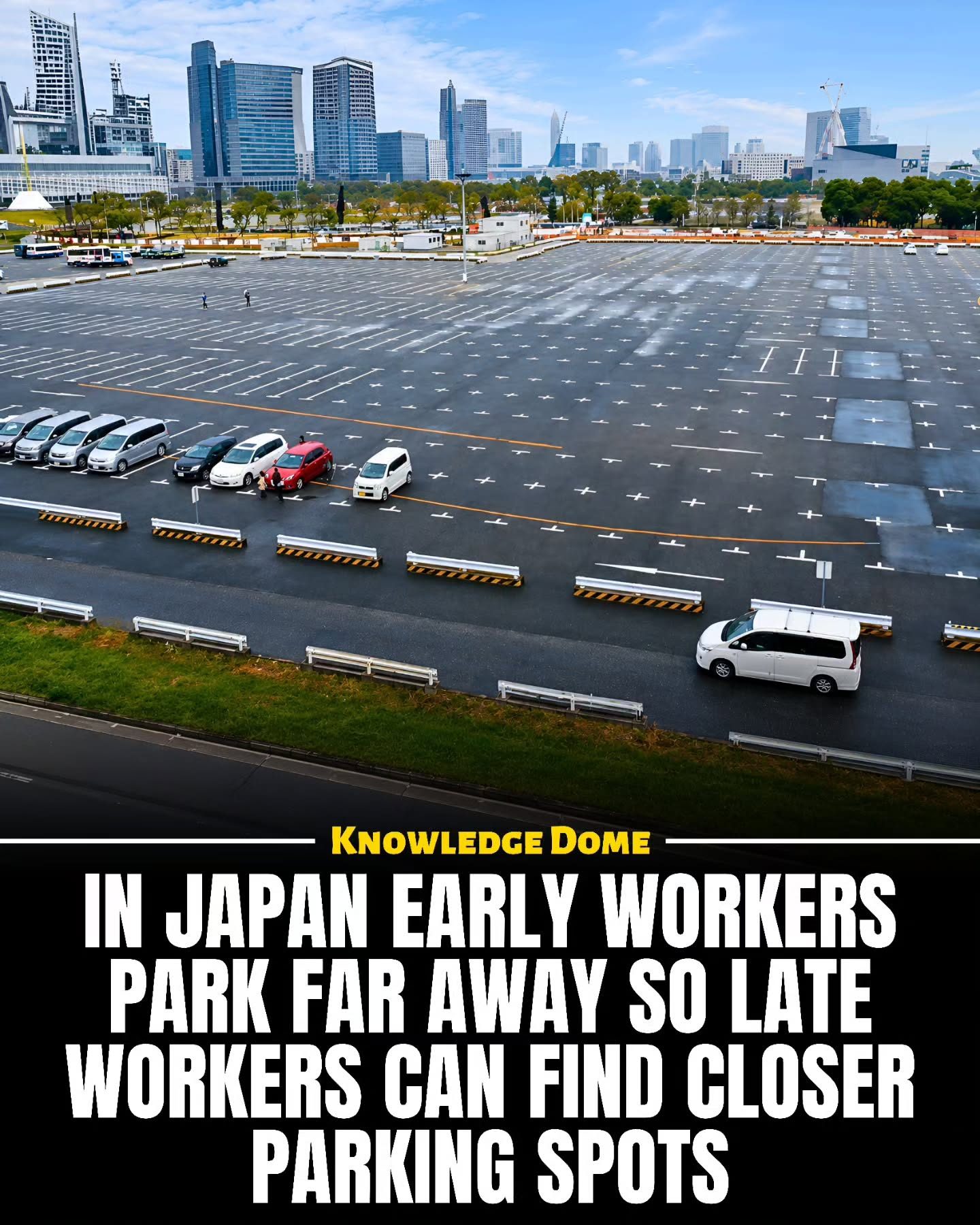
Urban Landscape and Parking in Japan: A Thoughtful Approach
In Japan, a unique and thoughtful approach to parking is practiced by some employees, who choose to park in the farthest spots from the office when they arrive early. This small act is not mandated by a strict company rule but rather a habit born out of consideration for coworkers. By parking farther away, early arrivals ensure that closer parking spaces remain available for those who come later, helping others save time and reducing stress. This practice is a simple yet powerful example of respect and consideration that reflects the broader Japanese work culture, which is often characterized as polite, careful, and considerate.
Why This Matters
This parking practice, often seen in corporate settings, highlights how small, deliberate actions can significantly impact team dynamics. In a country known for its meticulous attention to detail and collective well-being, this habit is just one facet of a larger cultural ethos.
Japan's urban landscapes are often bustling with activity, and the infrastructural planning of cities reflects a need for efficiency and convenience. Parking, a common point of contention in urban areas, is addressed in this scenario with a harmonious solution. The act of parking farther away is a testament to the broader principles of teamwork, patience, and mutual care that are deeply ingrained in Japanese professional culture. These principles extend beyond the workplace, fostering a sense of harmony and cooperation that permeate daily life.
The Practice of Considerate Parking
Understanding the Concept
In urban areas, parking can often become a source of stress and inconvenience. The Japanese approach to this challenge is rooted in mutual respect and thoughtfulness. By choosing to park in the farthest spots, early employees demonstrate a proactive effort to make the daily routine more manageable for their colleagues. This act, though small, aligns with the broader cultural values of consideration and collective well-being.
Cultural Significance
This habit is not a formal policy but a social norm that reflects the essence of Japanese work culture. It embodies the concept of "omoi yari," which translates to "thinking of others" – a fundamental aspect of Japanese social etiquette. By making the conscious decision to park farther away, employees show that they are not just thinking about their own convenience but also about the overall efficiency and harmony of the workplace.
Practical Impact
The practice has tangible benefits. For those who arrive later, the availability of closer parking spots can transform a potentially stressful morning into a smoother start to the day. This small act of consideration can help alleviate anxiety and promote a more relaxed and positive work environment. Employees can focus more on their tasks rather than the hassle of finding a parking spot, thereby enhancing overall productivity and job satisfaction.
The Practical Benefits
Reducing Stress and Anxiety
One of the primary benefits of this practice is the reduction of stress and anxiety for those who arrive later. Knowing that there will be closer parking spots available can provide a sense of relief and security. This small consideration can significantly impact an individual's mood and overall outlook for the day, creating a more positive work environment.
Enhancing Team Dynamics
The act of parking farther away also fosters a sense of teamwork and cohesion. It demonstrates a collective mindset where individuals prioritize the well-being of the group over personal convenience. This mindset can translate into other aspects of the workplace, promoting a culture of support and mutual respect.
Promoting Efficiency
From a logistical standpoint, this practice can also enhance the overall efficiency of the office. By ensuring that the parking lot is used optimally, it can reduce congestion and make the parking process smoother for everyone. Employees can save time and energy, which can be channeled into more productive activities.
Important Takeaways
This unique approach to parking in Japan serves as a reminder that small, deliberate actions can have a significant impact on the overall well-being of a team. By prioritizing the needs of others, individuals can contribute to a more harmonious and productive work environment. This practice highlights the importance of thoughtfulness, consideration, and mutual respect, values that are deeply ingrained in Japanese culture.
Conclusion
The practice of early employees parking in the farthest spots to ensure closer parking spots for later arrivals is a simple yet powerful example of the respect and consideration that characterize Japanese work culture. This habit, born out of a collective mindset, has tangible benefits, including reduced stress, enhanced team dynamics, and improved efficiency. By focusing on the well-being of the group, individuals can create a more positive and harmonious work environment. This practice serves as a valuable reminder of the impact that small, thoughtful actions can have on the broader community.
Watch the Reel
Questions readers ask
Why do some Japanese employees choose to park far from the office?
Some Japanese employees choose to park in the farthest spots from the office to accommodate later-arriving coworkers. This helps save time and reduce stress for those who arrive later, as they can find closer parking spots more easily.
Is this parking practice mandated by companies in Japan?
No, this practice is not mandated by a strict company rule. Instead, it is a habit born out of consideration for coworkers and reflects the broader Japanese work culture.
What does this parking etiquette say about Japanese work culture?
This parking etiquette demonstrates the Japanese emphasis on harmony, respect, and consideration for others. It is a simple yet powerful example of the polite, careful, and considerate nature of Japanese work culture.
How does this practice benefit the workplace?
By ensuring that closer parking spaces are available for those who arrive later, this practice helps reduce stress and saving time for coworkers. It fosters a more harmonious and respectful work environment.
Is this practice specific to certain types of workplaces in Japan?
While it is often seen in corporate settings, this practice can be found in various workplaces across Japan where employees value workplace harmony and mutual respect.
What can other cultures learn from this Japanese parking practice?
Other cultures can learn about the importance of consideration and mutual respect in the workplace. This practice shows how small acts of kindness can contribute to a more harmonious work environment.
Does this practice have any impact on the urban landscape in Japan?
While the primary impact is on workplace dynamics, this practice can also contribute to smoother traffic flow and reduced congestion in parking areas, as it encourages efficient use of parking spaces.
Related deep dives
Similar reads based on topic and creator.

Recent articles
Fresh deep dives from the latest Reels we unpacked.




Comments
Be the first to comment.