Japanese Supermarket Produce: Connecting Consumers with Local Farmers
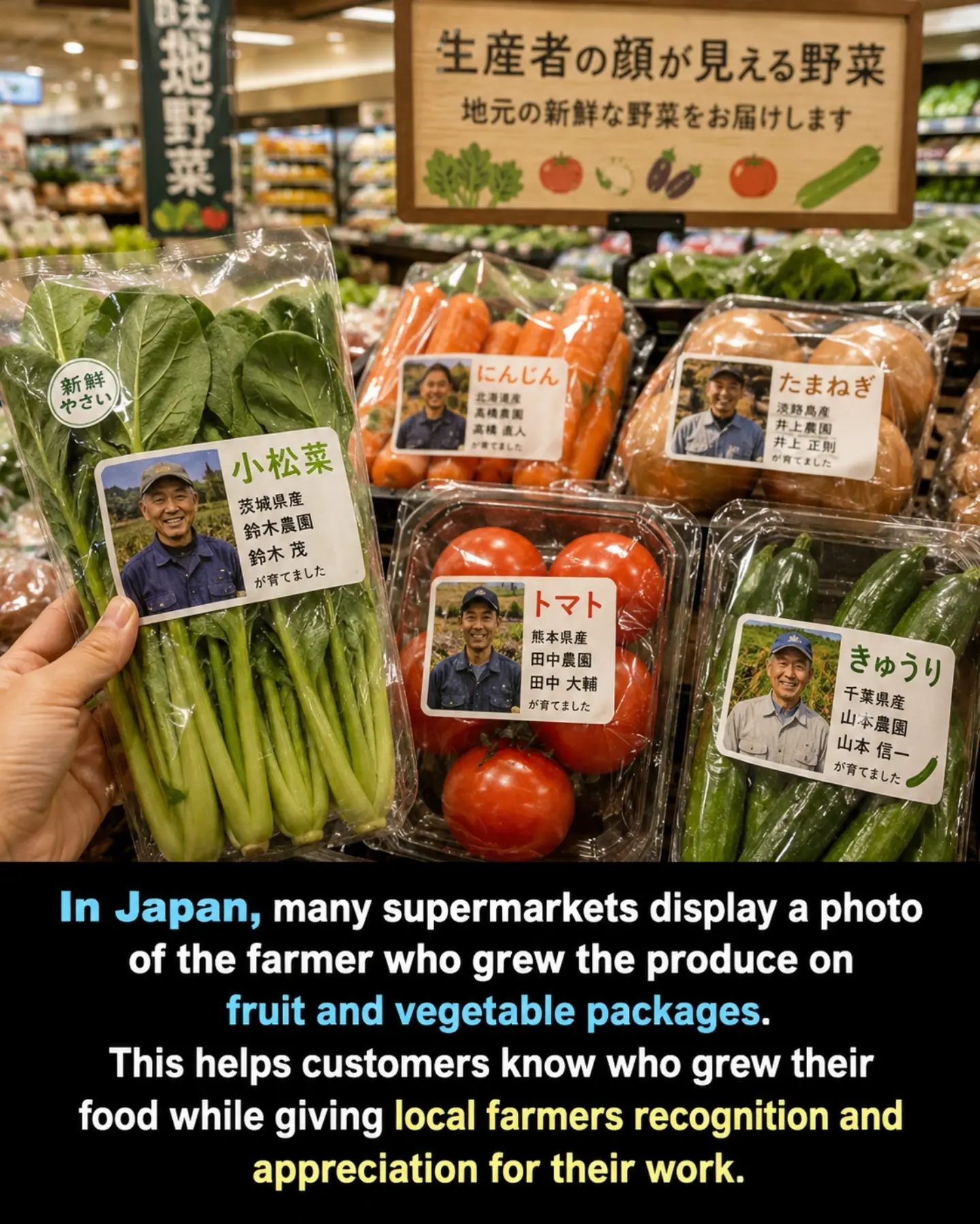
Japanese supermarkets offer a unique shopping experience, particularly when it comes to produce. Many of these supermarkets display photos of the farmers who grew the fruits and vegetables, along with their names, on the packaging. This practice not only helps customers learn about the origin of their food but also provides recognition and appreciation for local farmers.
Understanding the Practice
The Farmer's Face on Your Food
The sight of a farmer's face alongside produce packages is a common feature in Japanese supermarkets. This practice involves displaying a photograph of the farmer who cultivated the produce, along with their name. For instance, tomatoes might come with a label that reads "鈴木茂が育てました" (Interprets to "Grown by Suzuki Shigeru"). This direct connection between the consumer and the farmer creates a sense of transparency and trust. Customers can see the face of the person who grew their food, fostering a deeper appreciation for the produce.
The Role of Local Farmers
Japanese supermarkets showcase the names and photos of local farmers to highlight the regional origins of the produce. Labels like "茨城県産" (Ibaraki Prefecture produce) and "淡路島産" (Awaji Island produce) indicate the specific regions where the fruits and vegetables were grown. This practice not only supports local agriculture but also educates consumers about the different regions and their unique produce. For example, "小松菜" (Komatsuna), a mustard green popular in Japanese cuisine, might be paired with the name of the farmer from Ibaraki Prefecture, enhancing the consumer's knowledge of regional food production.
The Connection Between Consumers and Producers
The practice of showcasing farmers' photos and names on produce packaging is deeply rooted in Japanese culture, where there is a strong emphasis on recognizing and valuing the work of local farmers. By displaying these photos, supermarkets help customers understand the journey of their food from farm to table. This practice encourages customers to appreciate the hard work and dedication of farmers, reinforcing the importance of supporting local agriculture.
Why This Matters
In an era where food production often seems opaque, Japanese supermarkets' practice of featuring farmers' photos and names on produce packaging offers a refreshing level of transparency. This approach is more than just a marketing tactic; it represents a cultural commitment to valuing the origins of food and the people who produce it. Customers who see the farmers' faces on their produce are more likely to feel a personal connection to the food they consume, fostering a greater appreciation for local produce and the people who grow it.
The Cultural Significance
Japanese culture places a high value on knowing the source of your food. This isn't just about understanding where your food comes from but also about recognizing the people who put in the effort to produce it. The display of farmers' photos is a visual reminder of the human element behind food production, making the shopping experience more meaningful.
Main Discussion
The Impact on Consumer Behavior
Seeing the farmer's face on produce packaging can significantly influence consumer behavior. Consumers are more likely to choose produce that comes with a personal touch, knowing that their purchase directly supports a local farmer. This personal connection can also encourage consumers to seek out more information about the farmer and their farming practices, leading to a more informed shopping experience.
The Benefits for Farmers
For local farmers, having their photos and names displayed in supermarkets offers more than just recognition. It also provides a platform for them to showcase their produce and build a reputation. Consumers who appreciate the personal connection are more likely to seek out and purchase produce from these farmers, providing a steady market for their goods. This recognition can also lead to increased support for local agriculture, benefiting the broader community.
Practical Tips
If you're a consumer interested in connecting with local farmers, here are a few tips:
Look for the Farmer's Face
When shopping for produce, pay attention to packaging that features a farmer's photo and name. This is a clear indication that the supermarket values local farmers and their work. By choosing these products, you support the farmers directly and contribute to the local economy.
Ask Questions
Don't hesitate to ask store employees about the produce and the farmers who grew it. Many supermarkets are eager to share information about their local farmers and can provide insights into the farming practices and the unique stories behind the produce.
Support Local Farmers
Whenever possible, buy locally grown produce. Supporting local farmers not only ensures fresh, high-quality food but also fosters a stronger connection between consumers and the origins of their food.
Important Takeaways
- Transparency: Japanese supermarkets provide a level of transparency in food production by showcasing the farmers who grow the produce.
- Recognition and Appreciation: This practice recognizes and appreciates the hard work of local farmers, fostering a greater appreciation for their efforts.
- Consumer Connection: By seeing the farmer's face on produce, consumers can feel a personal connection to their food, leading to a more meaningful shopping experience.
Conclusion
Japanese supermarkets' practice of displaying farmers' photos and names on produce packaging offers a unique and meaningful shopping experience. This approach not only educates consumers about the origins of their food but also creates a personal connection between consumers and local farmers. By recognizing and appreciating the hard work of farmers, consumers can make more informed choices and support local agriculture. This practice serves as a reminder of the importance of valuing the people behind our food and fosters a deeper appreciation for the produce we consume.
Watch the Reel
Questions readers ask
Why do Japanese supermarkets display farmers' photos on produce packaging?
Japanese supermarkets display farmers' photos to connect consumers with the people who grew their food, fostering a sense of community and appreciation for local agriculture. This practice also highlights the regional origins of produce, encouraging consumers to support local farmers.
How does this practice benefit local farmers in Japan?
By featuring farmers' photos and names, Japanese supermarkets provide farmers with recognition for their work. This can lead to increased sales and support for local agriculture, as consumers become more connected to the origins of their food.
What information can consumers typically find on Japanese produce packaging?
In addition to the farmers' photos and names, Japanese produce packaging may include details about the region where the food was grown and other relevant information, such as cultivation methods or harvest dates. This helps consumers make informed decisions about their purchases.
Is this practice common in all Japanese supermarkets?
While not universal, displaying farmers' photos is a widespread practice in many Japanese supermarkets, particularly those that prioritize local and regional produce. It has become a notable aspect of Japanese supermarket culture.
How does this practice influence consumer behavior in Japan?
Seeing the face of the farmer who grew their produce can encourage consumers to appreciate the effort behind their food and support local agriculture. It may also inspire consumers to try new, locally grown items, as they learn about the various farmers and regions producing them.
Related deep dives
Similar reads based on topic and creator.




Recent articles
Fresh deep dives from the latest Reels we unpacked.




Comments
Be the first to comment.