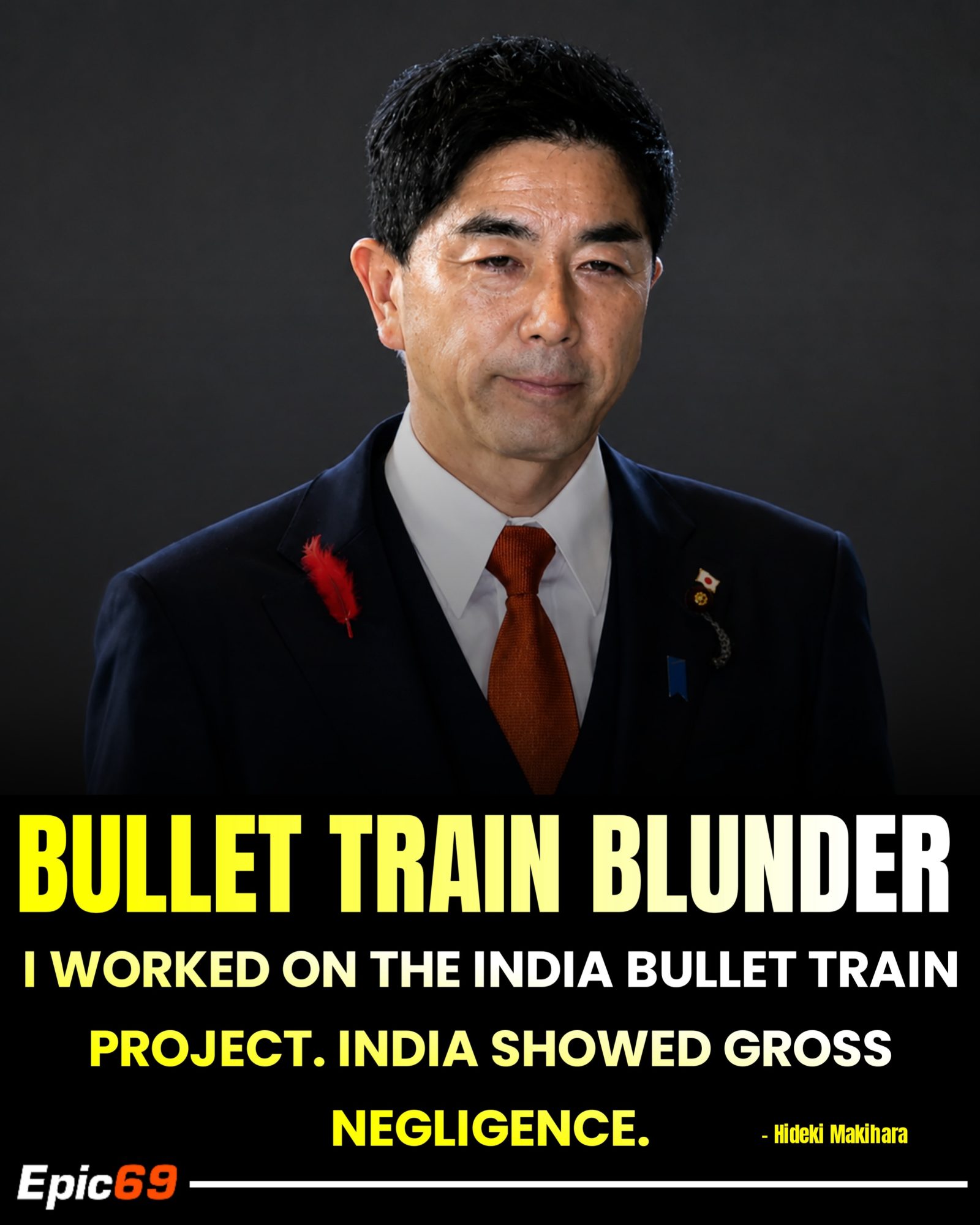
The India Bullet Train Project: Allegations of Gross Negligence
The India Bullet Train Project, a flagship initiative aimed at modernizing the country's rail infrastructure, has recently come under scrutiny following public remarks by Hideaki Matsuzawa, a Japanese expert who claims to have worked on the project. Matsuzawa's allegations of "gross negligence" have ignited a fresh debate regarding the project's planning, execution, and overall management.
Context / Why This Matters
The India Bullet Train Project, officially known as the Mumbai-Ahmedabad High-Speed Rail (MAHSR) Corridor, is one of the most ambitious infrastructure initiatives in the country. Given its significance, any allegations of mismanagement or negligence have far-reaching implications. These include potential delays, cost overruns, and even safety concerns, all of which could impact the project's viability and public trust.
Main Discussion
The Allegations
Hideaki Matsuzawa, who has worked on the India Bullet Train Project, has publicly alleged that the project suffered from "gross negligence." These claims have raised critical questions about the project's planning, execution, and oversight. Matsuzawa's frustration is evident, particularly with how negotiations and promises were handled by the Indian side.
The Project's Background
The Mumbai-Ahmedabad High-Speed Rail Corridor is a joint venture between India and Japan, with the latter providing both technological and financial support. The project aims to connect Mumbai and Ahmedabad with a high-speed rail network, significantly reducing travel time between the two major cities. The initiative is part of India's broader push to modernize its infrastructure and enhance connectivity.
Key Issues Highlighted
Matsuzawa's allegations touch on several critical aspects of the project:
-
Negotiation and Planning: Matsuzawa has expressed frustration with the way negotiations and planning were conducted. He attributes the project's lack of progress entirely to the Indian side, suggesting a breakdown in communication and coordination.
-
Transparency and Accountability: The allegations raise questions about the transparency and accountability of the project management. Matsuzawa's public statements have sparked a demand for greater oversight and clearer communication about the project's progress and challenges.
-
Project Management: The claims also highlight potential flaws in project management, including delays, cost overruns, and the overall pace of execution. These issues are particularly concerning given the project's scale and significance.
Reactions and Responses
Matsuzawa's allegations have sparked a range of reactions, from public outrage to calls for a thorough investigation. The Indian government and project stakeholders have yet to issue a formal response, but the allegations have certainly put a spotlight on the need for improved transparency and accountability.
Practical Tips
For those involved in large-scale infrastructure projects, Matsuzawa's allegations serve as a reminder of the importance of:
- Clear and Open Communication: Ensuring that all stakeholders, including external partners, are kept informed and involved throughout the project lifecycle.
- Robust Project Management: Implementing comprehensive project management practices to monitor progress, address issues promptly, and maintain accountability.
- Transparency and Accountability: Establishing mechanisms for transparent reporting and ensuring that all parties are held accountable for their roles and responsibilities.
Important Takeaways
The Need for Transparency
The allegations underscore the necessity for transparency in large-scale infrastructure projects. Transparency ensures that all stakeholders, including the public, are aware of the project's progress, challenges, and successes. This openness helps build trust and facilitates better decision-making.
Accountability in Project Management
Effective project management requires accountability at all levels. This includes clear roles and responsibilities, regular performance reviews, and mechanisms for addressing issues promptly. Matsuzawa's claims highlight the potential consequences of neglecting these aspects.
The Role of External Partners
In joint ventures, external partners play a crucial role. Effective collaboration and communication between all parties are essential for the success of the project. Matsuzawa's allegations suggest that breakdowns in these areas can lead to significant delays and mismanagement.
Conclusion
The India Bullet Train Project's future remains uncertain, but the allegations of gross negligence serve as a wake-up call for all stakeholders. They underscore the importance of transparency, accountability, and effective project management in large-scale infrastructure initiatives. As the project moves forward, it will be crucial to address these issues and ensure that the project lives up to its promise of modernizing India's rail infrastructure.
Watch the Reel
Questions readers ask
Who is Hideaki Matsuzawa and what allegations has he made regarding the bullet train project in India?
Hideaki Matsuzawa is a Japanese expert who has worked on the Mumbai-Ahmedabad High-Speed Rail (MAHSR) Project. He has publicly accused India of "gross negligence" in the planning, execution, and oversight of the project, raising concerns about potential delays, cost overruns, and safety issues.
What is the Mumbai-Ahmedabad High-Speed Rail (MAHSR) Project?
The MAHSR Project is an ambitious infrastructure initiative aimed at connecting Mumbai and Ahmedabad via a high-speed rail corridor. It is considered a flagship project for modernizing India's rail infrastructure and has significant implications for the country's transportation network.
How might the allegations of negligence affect the bullet train project?
The allegations could lead to increased scrutiny and potential delays as authorities investigate the claims. Additionally, they might result in cost overruns if corrections are needed, and could compromise public safety if safety standards are not met.
What is the potential impact of the bullet train project on India's infrastructure?
The project is expected to significantly enhance India's infrastructure by introducing high-speed rail technology. However, allegations of negligence could hinder these benefits if the project faces delays, cost overruns, or safety issues.
What role does Japan play in the India bullet train project?
Japan is a key partner in the India bullet train project, providing expertise and technology. The allegations of negligence from a Japanese expert highlight the collaborative nature of the project and the importance of international partnerships in its success.
What are the potential safety concerns raised by Hideaki Matsuzawa's allegations?
Matsuzawa's accusations of "gross negligence" in the planning and execution of the project raise concerns about potential safety hazards. Safety issues could arise from inadequate oversight, poor construction practices, or insufficient adherence to safety standards, all of which could put passengers and workers at risk.
How might these allegations impact the reputation of the contractors involved in the bullet train project?
The allegations of negligence could tarnish the reputation of the companies involved, potentially leading to loss of future business opportunities or legal consequences. It underscores the importance of transparency and accountability in large-scale infrastructure projects.
Related deep dives
Similar reads based on topic and creator.

Recent articles
Fresh deep dives from the latest Reels we unpacked.




Comments
Be the first to comment.