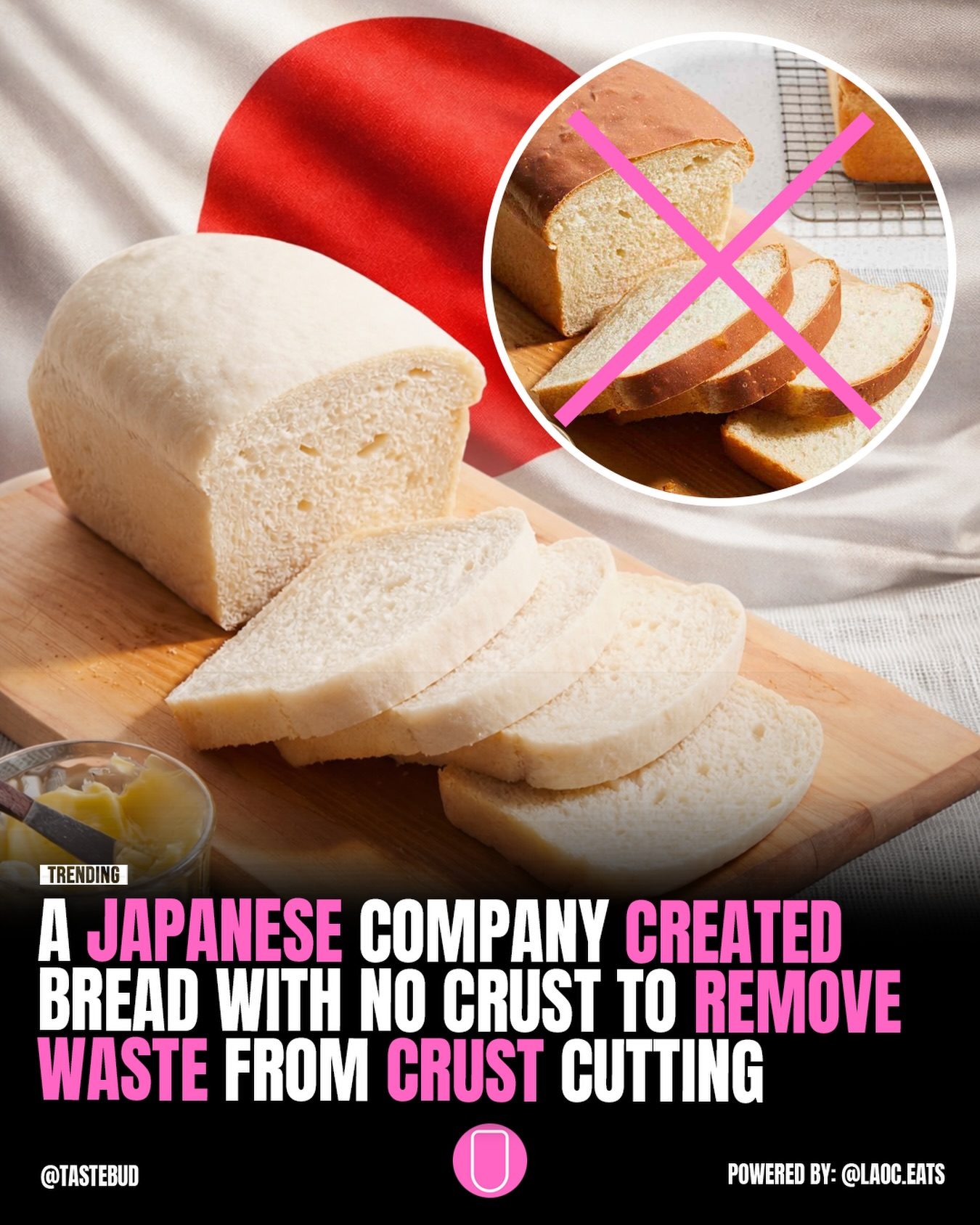
Crustless Bread
Crustless bread is a innovative product designed to reduce food waste. This bread has a soft white crust, making it just as appealing to eat as the inner part of the slice. The concept behind this design is to encourage people to consume the entire slice, including the crust, which is often discarded when making sandwiches. This initiative not only minimises waste but also promotes a more sustainable approach to food consumption.
Context
Despite being a staple in many diets, bread is often a source of kitchen waste. The traditional crust is frequently removed and discarded, leading to significant amounts of food waste. According to various studies, the average person throws away a considerable portion of their bread, with the crusts being a major contributor to this waste. For instance, diners who prefer the soft inner portion of the bread often remove the crust, resulting in perfectly edible bread being discarded. This is where crustless bread comes in, offering a solution to this common issue by design.
Main Discussion
The Concept of Crustless Bread
Crustless bread is engineered to be appealing and edible from crust to center. The primary goal of this bread is to eliminate the need to remove the crust, thereby reducing food waste. By making the crust as soft and edible as the rest of the slice, this bread promotes a culture of consuming the whole slice. This innovative approach not only reduces waste but also encourages a more mindful and sustainable approach to food consumption.
How It's Made
The production of crustless bread involves a unique baking process. Traditional bread-making techniques are modified to ensure that the crust is as soft and enjoyable as the inner part. This involves careful control over the baking temperature, time, and ingredients. The result is a loaf of bread that is uniform in texture and taste, making every bite just as delicious as the last.
The Benefits
One of the primary benefits of crustless bread is the reduction of food waste. By eliminating the need to discard the crust, this bread helps to conserve resources and reduce the environmental impact of food production. Additionally, crustless bread can be more appealing to those who typically avoid bread due to its crust, opening up new dietary options for a wider audience.
The Impact on Food Culture
The introduction of crustless bread has the potential to reshape food culture, particularly in environments where bread is a staple. Schools, offices, and households can all benefit from this innovative solution, reducing waste and promoting a more eco-friendly approach to food consumption. This change can lead to a shift in attitudes towards food waste, encouraging people to think more critically about the environmental impact of their dietary choices.
Consumer Reception
While the concept of crustless bread is innovative, it has garnered mixed reactions from consumers. Some people appreciate the uniform texture and taste, finding it more enjoyable to eat. Others, however, miss the traditional contrast between the soft inner portion and the crispy crust. Despite the mixed reactions, the sustainability benefits of crustless bread are hard to overlook, making it a product worth considering for environmentally conscious consumers.
Practical Tips
If you're interested in trying crustless bread, here are some practical tips to get you started:
-
Experiment with Different Brands: Try out different brands of crustless bread to find one that suits your taste preferences. Each brand may have a slightly different texture and flavor profile, so it's worth exploring your options.
-
Incorporate into Meals: Use crustless bread in a variety of meals, from sandwiches to toast. Its uniform texture makes it versatile for different culinary uses.
-
Store Properly: Like traditional bread, crustless bread should be stored properly to maintain freshness. Keep it in an airtight container at room temperature or in the refrigerator, depending on your preference and the bread's packaging instructions.
-
Share with Others: Introduce crustless bread to your family and friends to spread awareness about its sustainability benefits. Sharing the experience can help promote a more eco-friendly approach to food consumption.
Important Takeaways
- Reduced Food Waste: Crustless bread significantly reduces food waste by eliminating the need to discard the crust.
- Uniform Texture: The soft, uniform texture of crustless bread makes it appealing to a wider audience, including those who typically avoid bread due to its crust.
- Sustainability Benefits: By promoting the consumption of the entire slice, crustless bread contributes to a more sustainable approach to food consumption.
- Culinary Versatility: Crustless bread can be used in a variety of meals, making it a versatile addition to your pantry.
Conclusion
Crustless bread represents a significant step towards reducing food waste and promoting sustainability. Its innovative design makes it appealing to a wide audience, while its environmental benefits make it a worthwhile choice for eco-conscious consumers. By embracing crustless bread, we can take a small but meaningful step towards a more sustainable future.
Watch the Reel
Questions readers ask
How does crustless bread help in reducing food waste?
Crustless bread is designed with a soft, edible crust to encourage the consumption of the entire slice. By making the crust more palatable, this innovative product aims to minimize the amount of bread that is typically discarded.
What is the main advantage of crustless bread over traditional bread?
The primary advantage of crustless bread is that it reduces waste by encouraging people to eat the entire slice, including what would have been the discared crust. This makes it a more sustainable alternative to traditional bread.
Which part of the bread is often discarded and how does crustless bread address this issue?
Traditionally, the crust of the bread is often removed and discarded, contributing to significant food waste. Crustless bread addresses this problem by having a soft, edible crust, making it less likely for people to throw the crust away.
Who is the target audience for crustless bread?
The target audience for crustless bread is anyone who consumes bread and typically removes the crust. This includes people who make sandwiches, as well as those who prefer the inner part of the bread.
What makes the crust of crustless bread different from traditional bread crust?
The crust of crustless bread is designed to be soft and appealing to eat, unlike the traditional crust, which can be hard and dry. This makes the crust just as enjoyable as the inner part of the slice.
Can crustless bread be used for making sandwiches?
Yes, crustless bread can be used for making sandwiches. In fact, it is an excellent choice for sandwiches, as it allows you to enjoy the entire slice without having to discard any part.
How does crustless bread promote sustainable food consumption?
Crustless bread promotes sustainable food consumption by encouraging the consumption of the entire bread slice. By making the crust edible, it reduces the amount of bread that ends up being thrown away, contributing to a more sustainable approach to food consumption.
Related deep dives
Similar reads based on topic and creator.


Recent articles
Fresh deep dives from the latest Reels we unpacked.




Comments
Be the first to comment.