Bullet Train Safety: Lessons from Japan's Shinkansen Network
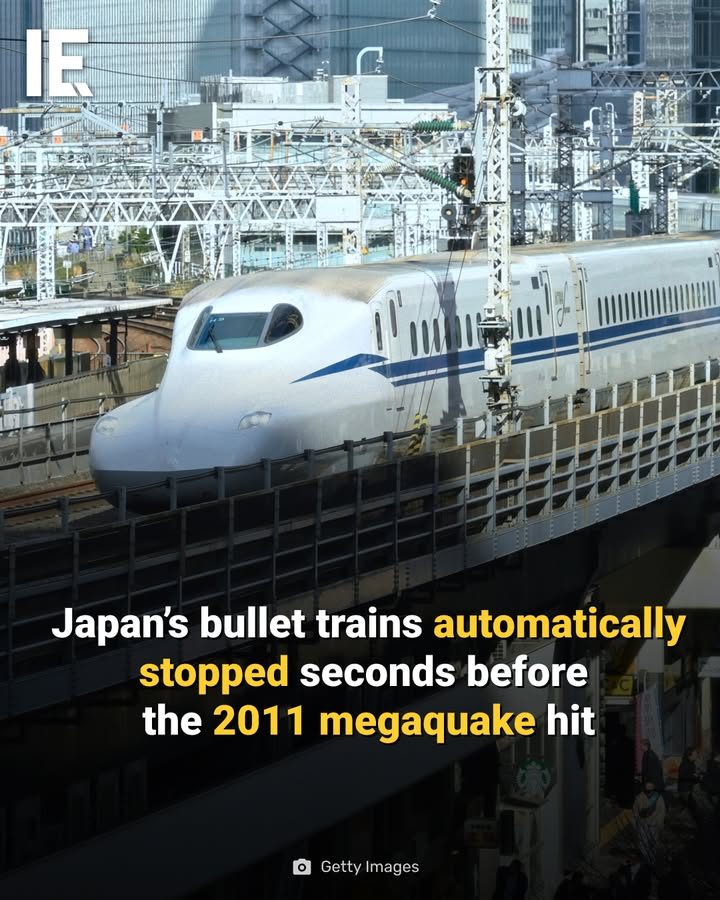
The earthquake early warning system of Japan's Shinkansen network is a standout example of effective disaster prevention. On March 11, 2011, when a magnitude 9.0 earthquake struck Japan, the country’s Shinkansen network automatically activated its earthquake early warning system. This system, which relies on seismometers to detect the initial P-waves, triggered emergency braking before the strongest shaking arrived, giving trains crucial seconds to slow down and stop.
Context: Understanding the Importance of Bullet Train Safety
Japan's Shinkansen, or bullet train, network is renowned for its speed, efficiency, and most importantly, safety. The system's ability to detect seismic activity and automatically halt trains has been a critical factor in preventing large-scale rail disasters. This is particularly important in a country like Japan, which is prone to frequent and powerful earthquakes.
The Technology Behind the Safety System
Seismometers and P-Waves: The First Line of Defense
The core of the Shinkansen's earthquake early warning system is a network of seismometers strategically placed along the train routes. These seismometers are designed to detect P-waves, the first seismic waves generated by an earthquake. P-waves travel faster than the more destructive S-waves and surface waves, giving the system a critical head start.
Automatic Emergency Braking: A Rapid Response
Once the seismometers detect P-waves, the system automatically triggers an emergency braking mechanism. This system is designed to stop the trains as quickly as possible, minimizing the risk of derailment or collision. The automatic braking system is a cornerstone of the Shinkansen network's safety protocol, ensuring that trains can halt even in the most sudden and severe seismic events.
The 2011 Earthquake: A Real-World Test
The 2011 magnitude 9.0 earthquake, often referred to as the Tohoku earthquake, provided a real-world test of the Shinkansen's safety system. The earthquake, which caused significant infrastructure damage, highlighted the system's effectiveness. Despite the magnitude of the earthquake, no passenger trains derailed during the main shock. This is a testament to the system's ability to provide crucial seconds for trains to slow down and stop, preventing potential disasters.
How Japan's Early Warning System Works
Seismic Detection and Data Transmission
The early warning system operates on a principle of rapid detection and immediate action. When an earthquake occurs, the seismic waves, particularly the P-waves, are detected by the seismometers. These sensors transmit data to a central control system, which then processes the information and triggers the emergency braking systems on the trains.
Real-Time Decision Making
The key to the system's effectiveness is its ability to make real-time decisions. The moment P-waves are detected, the system calculates the likelihood and severity of the impending shaking. Based on this assessment, it automatically initiates emergency procedures, including the application of brakes and the slowing down of trains, ensuring passenger safety.
Infrastructure and Maintenance
The reliability of the earthquake early warning system depends significantly on the maintenance and infrastructure of the Shinkansen network. Regular checks and updates ensure that the seismometers, braking systems, and communication networks are in optimal working condition. This proactive approach to maintenance is crucial for the system's ongoing effectiveness.
Practical Tips: Enhancing Bullet Train Safety
While Japan's Shinkansen network serves as a global benchmark for safety, there are several key principles that can be applied to enhance bullet train safety worldwide:
Regular Maintenance and Updates
Just as with any technology, regular maintenance and updates are crucial. Ensuring that the seismometers, communication networks, and braking systems are frequently checked and updated will go a long way in maintaining the system's reliability.
Comprehensive Training
Train operators and maintenance staff should undergo comprehensive training on emergency procedures. Regular drills and simulations can help ensure that everyone responds effectively during an actual emergency.
Advanced Technology Integration
Integrating advanced technologies, such as AI and machine learning, can further enhance the system's capabilities. These technologies can improve the speed and accuracy of seismic detection and decision-making, providing even more critical seconds for safety measures.
Public Awareness and Education
Educating the public about earthquake safety measures and the role of early warning systems can also enhance overall safety. Passengers who are aware of the safety protocols and how the system works are less likely to panic during an emergency, further ensuring their safety.
Important Takeaways: The Future of Bullet Train Safety
Japan's experience with the 2011 earthquake and the subsequent success of its early warning system underscores the importance of investing in advanced safety technologies. The lessons learned from this event can be applied globally, ensuring that bullet trains, and other forms of high-speed transportation, remain safe and reliable.
Continuous Improvement
Safety technologies are not static; they evolve with advancements in science and technology. Continuous research and development are essential for improving the effectiveness of early warning systems. Engaging with global experts and incorporating the latest innovations can help maintain and enhance safety standards.
Global Collaboration
Japan's success story highlights the importance of global collaboration in safety and disaster prevention. Sharing knowledge, technology, and best practices can significantly improve safety standards worldwide. Collaboration with international organizations and other countries can lead to more robust and reliable safety systems.
Emphasis on Prevention
Prevention is always better than cure, and this principle applies to safety measures in transportation. Investing in pre-emptive measures, such as early warning systems, can prevent large-scale disasters and save lives. Understanding the importance of these systems and incorporating them into transportation infrastructure is crucial for ensuring safety.
Conclusion
The safety measures implemented in Japan's Shinkansen network serve as a model for ensuring the safety of high-speed rail systems. Through the use of seismometers and an automatic braking system, the network has successfully prevented large-scale rail disasters. The 2011 earthquake was a stark reminder of the importance of such systems, and the lessons learned can be applied globally to enhance the safety of bullet trains and other transportation infrastructure. By investing in advanced technologies, continuous improvement, and global collaboration, we can ensure that transportation remains safe and reliable for everyone.
Watch the Reel
Questions readers ask
What triggers the earthquake early warning system on Japan's Shinkansen bullet trains?
The earthquake early warning system on Japan's Shinkansen bullet trains is triggered by seismometers that detect the initial P-waves, which are the first seismic waves to arrive during an earthquake.
How did the Shinkansen system respond during the 2011 earthquake?
During the 2011 earthquake, the Shinkansen system automatically activated its earthquake early warning system. This led to the initiation of emergency braking, slowing down and stopping the trains before the strongest shaking arrived.
What are P-waves and why are they important for the Shinkansen's earthquake warning system?
P-waves, or primary waves, are the fastest seismic waves and the first to arrive during an earthquake. They are crucial for the Shinkansen's earthquake warning system because they provide an advance warning of the stronger, secondary waves that cause the most damage and shaking.
How does the Shinkansen system enhance passenger safety during earthquakes?
The Shinkansen system enhances passenger safety during earthquakes by using an automatic earthquake early warning system. This system detects seismic activity and triggers emergency braking, giving trains crucial seconds to slow down and stop before the strongest shaking arrives, thus minimizing the risk of derailments or collisions.
Can the Shinkansen's earthquake early warning system be used in other high-speed rail networks?
While the specific implementation may vary, the principles behind the Shinkansen's earthquake early warning system can indeed be applied to other high-speed rail networks. The key is the use of seismometers to detect initial seismic waves and trigger emergency braking, a strategy that has proven effective in Japan.
What role do seismometers play in the Shinkansen's earthquake early warning system?
Seismometers are instrumental in the Shinkansen's earthquake early warning system, as they detect the initial P-waves, which are the first seismic waves to arrive during an earthquake. This detection triggers the emergency braking system, allowing the trains to halt before the strongest shaking occurs.
Why is the automatic braking system crucial for Shinkansen safety during earthquakes?
The automatic braking system is crucial for Shinkansen safety during earthquakes because it provides a rapid response to seismic activity. By halting the trains before the strongest shaking arrives, it reduces the risk of derailments, collisions, and other accidents that could result in injuries or fatalities.
Related deep dives
Similar reads based on topic and creator.

Recent articles
Fresh deep dives from the latest Reels we unpacked.




Comments
Be the first to comment.