Japan's Shrinking Population: A Deep Dive into 2023's Decline
Japan's population decreased by 831,872 people in 2023, the most significant drop ever recorded. The decline in births and the rise in deaths have prompted worries about the impact on the country's economy and security. This shift to a shrinking and aging population has profound implications for Japan, and understanding the data is crucial for grasping the full scope of the issue.
Context: Why This Matters
Japan's demographic trends are a microcosm of broader global concerns about low birth rates and aging populations. The country's population has been declining since its peak in 2010, but 2023 marked a dramatic acceleration. The drop of 831,872 people is a stark reminder that Japan must address the challenges of an aging society and a shrinking labor force. This trend has significant implications for the economy, healthcare, and national security.
The Data: Births and Deaths in Japan
Births: A Steady Decline
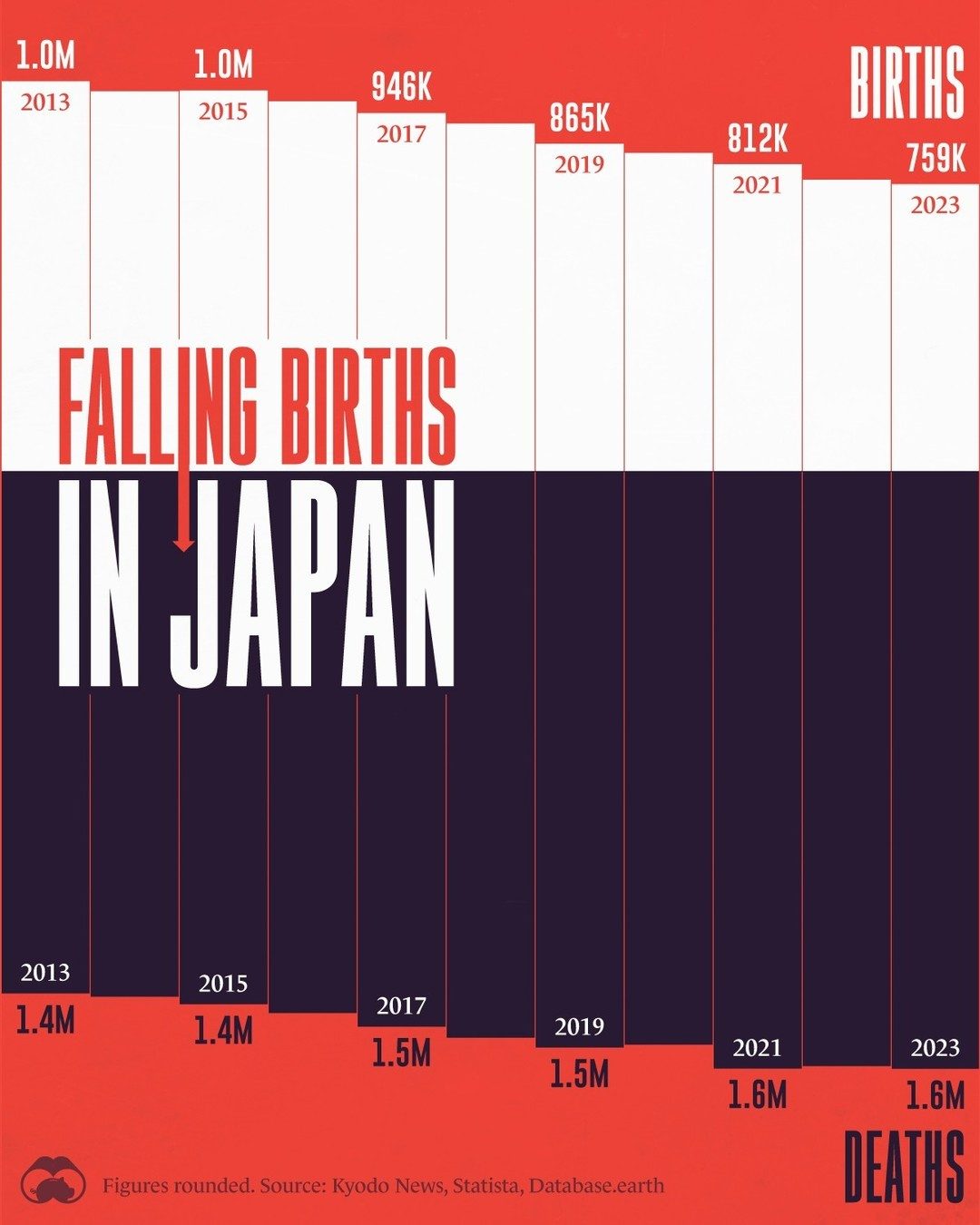
The data from Kyodo News, Statista, and Database.earth reveals a consistent downward trend in the number of births in Japan. From 2013 to 2023, the number of births plummeted from 1.0 million to 759,000. Here's a breakdown of the data:
- 2013: 1.0 million
- 2015: 946,000
- 2017: 865,000
- 2019: 812,000
- 2021: 759,000
The decline in births is a result of various factors, including a preference for smaller families, economic pressures, and changing social norms. As the birth rate continues to fall, the implications for Japan's future workforce and economic stability become more pronounced.
Deaths: An Increasing Trend
In contrast to the declining birth rate, the number of deaths in Japan has been steadily increasing. The data shows that the number of deaths has remained relatively stable over the years:
- 2013: 1.4 million
- 2015: 1.4 million
- 2017: 1.5 million
- 2019: 1.5 million
- 2021: 1.6 million
The increase in deaths, coupled with the decline in births, has resulted in a shrinking population, exacerbating Japan's demographic challenges.
The Impact on Japan's Economy
A shrinking population poses significant challenges for Japan's economy. With fewer workers entering the labor force, Japan faces a labor shortage that could stifle economic growth. The aging population also places a greater burden on the healthcare and pension systems, as the elderly require more medical care and financial support.
The economic repercussions are not limited to labor shortages and increased healthcare costs. A shrinking population can also lead to reduced consumer spending, stagnating demand, and declining tax revenues. These factors, combined, create a challenging environment for long-term economic sustainability.
National Security Concerns
Beyond economic implications, Japan's demographic shifts have raised concerns about national security. A smaller, aging population can limit the country's ability to maintain its military forces and support its defense capabilities. Additionally, the shrinking workforce could affect Japan's industrial and technological sectors, potentially undermining its global competitiveness.
Practical Tips for Addressing the Issue
Policy Interventions
Japan has implemented several policies to address the declining birth rate and aging population. These include financial incentives for families to have more children, such as child allowances and tax breaks. However, the effectiveness of these measures remains a subject of debate. It is essential for policymakers to continue refining and expanding these programs to encourage higher birth rates.
Immigration Policies
Immigration is another potential solution to Japan's demographic challenges. While Japan has traditionally been cautious about immigration, opening its borders to skilled workers could help mitigate the labor shortages caused by the shrinking population.
Technological Advancements
Investments in automation and artificial intelligence can also help alleviate the strain on the labor force. By automating certain tasks, Japan can maintain productivity even as the workforce shrinks. This approach can be particularly effective in industries such as manufacturing and healthcare, where automation can reduce the need for human labor.
Social and Cultural Changes
Promoting social and cultural changes that support family life could also help increase the birth rate. Flexible work arrangements, affordable childcare, and social support systems can make it easier for couples to have and raise children. Encouraging a cultural shift towards valuing larger families and providing adequate support for parents can also play a significant role.
Important Takeaways
Japan's shrinking population is a multifaceted issue with far-reaching implications for its economy, healthcare, and national security. The decline in births and the increase in deaths highlight the urgency of addressing demographic challenges. Effective policies, thoughtful immigration strategies, and investments in technology can help mitigate the impact of these changes.
Understanding the data is the first step in addressing Japan's demographic challenges. By examining the trends in births and deaths, policymakers, businesses, and individuals can develop comprehensive strategies to ensure a sustainable future for the country.
Conclusion
Japan's declining birth rate and increasing death rate present substantial challenges for the nation. The shrinking population has significant economic and security implications that demand immediate attention. By implementing effective policies, encouraging cultural shifts, and leveraging technological advancements, Japan can navigate these challenges and secure a prosperous future. Addressing demographic changes requires a collective effort from policymakers, businesses, and the public. Together, they can create a resilient and sustainable society.
Watch the Reel
Questions readers ask
What caused Japan's population to decrease by such a large number in 2023?
The primary cause was a significant decline in birth rates combined with an increase in deaths. According to the data, the number of births was outpaced by the number of deaths, leading to a record population decline of 831,872 people in 2023.
How does the shrinking population impact Japan's economy?
A shrinking population can lead to a smaller workforce, which may result in labor shortages and decreased productivity. Additionally, an aging population means increased spending on pensions and healthcare, further straining the economy.
What are the implications for Japan's healthcare system due to population decline?
With a shrinking and aging population, Japan's healthcare system faces increased demand for services tailored to elderly patients. This puts pressure on resources and may require significant reforms in healthcare delivery and workforce planning.
How does the population decline affect Japan's national security?
A smaller population can lead to a reduced workforce for Japan's Self-Defense Forces, potentially affecting the country's military strength. Additionally, an aging population may limit the availability of young people for military service, posing challenges for national security.
What are the key statistics from 2023's population decline in Japan?
In 2023, Japan's population decreased by 831,872 people. This decline was driven by a significant decrease in births and an increase in deaths, marking the most substantial population drop ever recorded in the country.
What trends were observed in Japan's population before the 2023 decline?
Japan's population has been on a steady decline since it reached its peak in 2010. The trend of decreasing birth rates and increasing deaths has been consistent, but the decline accelerated dramatically in 2023, highlighting a trend that has been evolving for over a decade.
Recent articles
Fresh deep dives from the latest Reels we unpacked.




Comments
Be the first to comment.