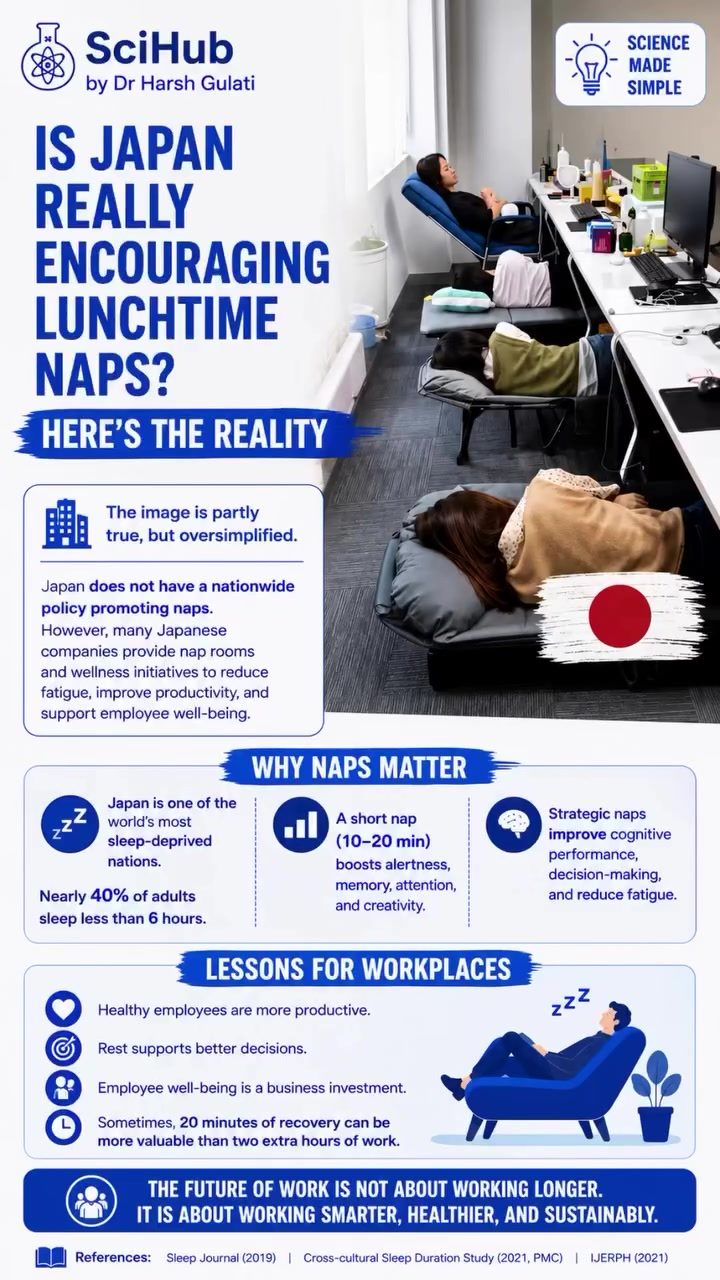
Japan's Lunchtime Naps: Fact vs. Fiction
Japan's approach to lunchtime naps has gained significant attention, often portrayed as a nationwide initiative. The reality, however, is more nuanced. While Japan does not have a government-mandated policy for workplace naps, many companies have embraced the concept, creating nap rooms and wellness programs to support employee well-being.
Context: Why Lunchtime Naps Matter
In today's fast-paced work environment, the importance of adequate rest cannot be overstated. Japan, in particular, grapples with high levels of sleep deprivation. Nearly 40% of Japanese adults sleep less than six hours per night. This chronic lack of sleep affects both physical and mental health, leading to increased fatigue, reduced productivity, and a higher likelihood of errors. Lunchtime naps offer a practical solution to mitigate these issues, improving alertness, memory, and overall cognitive function.
The Science Behind Lunchtime Naps
Cognitive Benefits
A 10-20 minute power nap, also known as a "stage 2" nap, can significantly boost various cognitive functions. Research shows that these short naps can enhance:
- Alertness: A brief rest can refresh the mind, reducing drowsiness and increasing focus.
- Memory: Naps help consolidate memories, improving recall and retention of information.
- Attention: Restored alertness allows for better concentration and sustained attention.
- Learning and Creativity: Short naps can enhance problem-solving skills and foster creativity, making them a valuable tool for any worker.
- Decision-making: Well-rested employees are more likely to make informed, rational decisions.
Health and Well-being
Beyond cognitive improvements, naps contribute to overall well-being. Employees who take strategic naps report lower levels of fatigue and stress, leading to better mental health and job satisfaction. Regular naps can also reduce the risk of burnout, a growing concern in today's demanding work culture. Furthermore, naps can positively impact physical health, helping to regulate blood pressure, improve metabolism, and boost the immune system.
The Japanese Concept of "Inemuri"
The concept of "Inemuri," which translates to "present while sleeping," is deeply rooted in Japanese culture. Inemuri is not about being lazy; rather, it signifies dedication and hard work. Employees who take a nap at work are not shirking their responsibilities but rather demonstrating their commitment to productivity and well-being. This cultural acceptance of workplace naps has paved the way for more companies to adopt nap-friendly policies.
Companies Embracing Lunchtime Naps
Many Japanese companies have recognized the value of lunchtime naps and have implemented various initiatives to support their employees. Nap rooms and quiet spaces are becoming common in offices, allowing employees to recharge during the day. These wellness programs are not just about employee satisfaction; they are a strategic investment in productivity and sustainability.
Benefits for Businesses
Companies that prioritize employee well-being through nap initiatives often see a range of benefits, including:
- Improved Productivity: Well-rested employees are more efficient and productive.
- Reduced Errors: Fatigue is a leading cause of workplace errors. Naps help minimize mistakes, ensuring higher quality work.
- Better Decision-making: Clear-headed employees make better decisions, benefiting both the individual and the organization.
- Enhanced Creativity and Innovation: Refreshing the mind through naps can lead to fresh ideas and innovative solutions.
Practical Tips for Implementing Lunchtime Naps
If you're considering introducing lunchtime naps into your workplace, here are some tips to get started:
- Create Designated Nap Spaces: Designate quiet, comfortable areas where employees can rest undisturbed.
- Encourage Short Naps: Promote 10-20 minute naps, which offer the most benefits without causing sleep inertia.
- Lead by Example: Encourage managers and supervisors to take naps, demonstrating the importance of rest and well-being.
- Educate Employees: Share the benefits of naps and their impact on health and productivity. Awareness can increase participation and reduce stigma.
- Monitor and Adjust: Gather feedback from employees and adapt the program as needed to ensure it meets their needs and expectations.
Important Takeaways
- Japan does not have a nationwide policy promoting workplace naps, but many companies have adopted nap-friendly initiatives.
- Lunchtime naps offer significant cognitive and health benefits, including improved alertness, memory, and decision-making.
- The Japanese concept of "Inemuri" underscores the cultural acceptance of workplace naps as a sign of dedication.
- Companies that support employee well-being through naps can see significant improvements in productivity, creativity, and job satisfaction.
- Implementing a nap program involves creating designated spaces, promoting short naps, leading by example, and monitoring the program's effectiveness.
Conclusion
Lunchtime naps are more than just a trend; they are a strategic investment in employee well-being and productivity. By embracing this practice, companies can foster a healthier, more sustainable work environment. Whether you are an employer looking to enhance your workforce or an employee seeking to optimize your performance, considering the benefits of lunchtime naps could be a game-changer.
Watch the Reel
Questions readers ask
Is napping during lunch breaks a mandatory policy in Japanese workplaces?
No, Japan does not have a government-mandated policy requiring workplaces to offer nap breaks. However, many companies have voluntarily adopted lunchtime napping policies to promote employee well-being.
How long should a lunchtime nap be to boost productivity?
To maximize benefits, lunchtime naps should be short, ideally between 10 to 20 minutes. This duration helps improve alertness, memory, and creativity without causing sleep inertia.
What are the benefits of short naps, as practiced in Japan?
Short naps, as practiced in many Japanese companies, can enhance productivity by reducing fatigue. They also support mental health by reducing stress and improving mood. Additionally, they can enhance problem-solving skills and overall cognitive performance.
Which companies have implemented lunchtime napping, and how has it affected employees?
A number of Japanese companies, including Panasonic and Pasona, have introduced nap rooms. Employees at these companies report feeling more refreshed and productive, with a noticeable improvement in overall mood and job satisfaction.
What are the common myths surrounding napping at work?
One common myth is that napping at work is universally accepted in Japan. In reality, while many companies support it, it is not a nationwide, government-mandated practice. Another myth is that naps always lead to grogginess. Properly timed short naps can instead boost alertness and productivity.
What are the cultural influences behind Japan's approach to napping?
Japan’s approach to napping is influenced by a cultural emphasis on balance and well-being. Many companies view napping as a complement to a strong work ethic, aiming to ensure employees are well-rested, healthy, and productive.
Related deep dives
Similar reads based on topic and creator.


Recent articles
Fresh deep dives from the latest Reels we unpacked.




Comments
Be the first to comment.